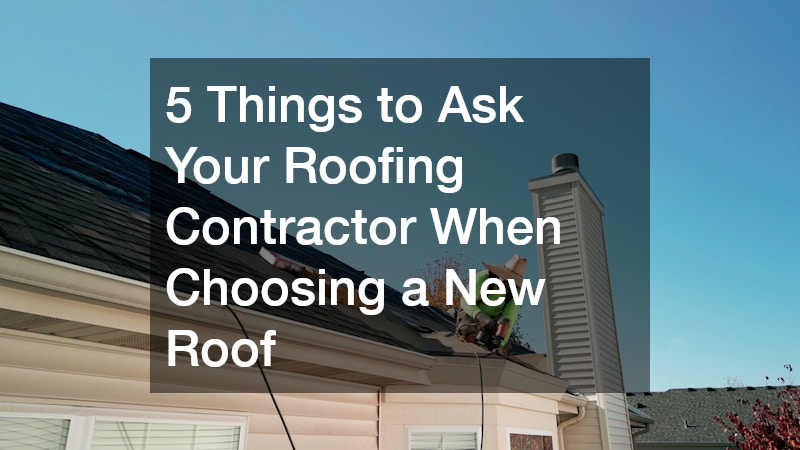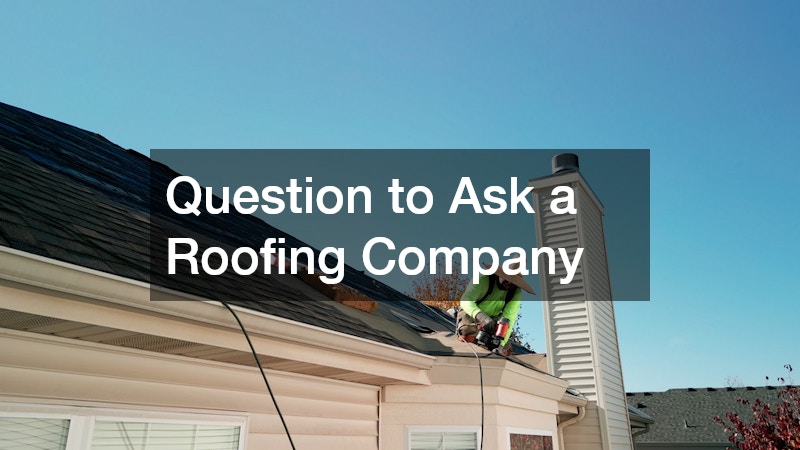
Hiring the right contractor for your roofing project is one of the most important decisions you can make as a homeowner. Your roof protects your home from the elements, improves energy efficiency, and plays a major role in your property’s overall value. Whether you need repairs, a full replacement, or a new installation, asking the right questions can help ensure you choose a reliable and experienced professional. Before signing any contract, homeowners should take time to carefully evaluate a roofing company and understand the services they provide.
Are You Licensed and Insured?
One of the first questions you should ask any contractor is whether they are properly licensed and insured. A legitimate contractor should have the necessary licenses required by local or state regulations.
Licensing helps demonstrate that the contractor has met certain standards and understands industry requirements.
Insurance is equally important. A professional roofing company should carry both liability insurance and workers’ compensation coverage. Liability insurance protects your property in case accidental damage occurs during the project. Workers’ compensation ensures that you are not held responsible if a worker is injured while working on your roof.
Always request proof of both license and insurance before moving forward with any roofing project.
How Much Experience Do You Have?
Experience is another critical factor when selecting a roofing contractor. Roofing systems involve complex materials, installation techniques, and safety considerations. Contractors with many years of experience are more likely to understand how to handle unexpected issues that may arise during a project.
Ask how long the contractor has been in business and whether they have experience working with your specific type of roof. Different roofing materials—such as asphalt shingles, metal roofing, tile, or flat roofing systems—require different skills and installation methods.
An experienced roofing company can provide valuable guidance on materials, maintenance, and long-term performance.
Can You Provide References or Past Projects?
A trustworthy contractor should be willing to share references from previous clients. Speaking with past customers can give you insight into the quality of the contractor’s work, reliability, and professionalism.
You can ask questions about the customer’s overall experience, whether the project was completed on time, and how well the contractor communicated throughout the process. If possible, request photos of previous projects or examples of roofs they have installed or repaired.
Online reviews and testimonials can also provide useful information, but direct references often offer more detailed and reliable feedback.
What Roofing Materials Do You Recommend?
Different homes require different roofing materials depending on climate, budget, and architectural style. A professional contractor should be able to explain the advantages and disadvantages of various options.
For example, asphalt shingles are one of the most common and affordable roofing materials, while metal roofing offers excellent durability and energy efficiency. Tile and slate roofs provide a distinctive appearance but may require stronger structural support.
When consulting with a roofing company, ask why they recommend certain materials for your specific situation. A knowledgeable contractor will explain factors such as lifespan, maintenance requirements, weather resistance, and cost.
What Is Included in the Written Estimate?
Before agreeing to any roofing work, homeowners should request a detailed written estimate. This document should clearly outline the scope of the project and provide a breakdown of costs.
The estimate should include labor costs, material expenses, removal of old roofing materials, cleanup services, and any additional fees. It should also specify the project timeline and payment schedule.
A clear and transparent estimate helps prevent misunderstandings and ensures that both parties agree on the details of the project. Never rely solely on verbal agreements when planning major home improvements.
Do You Offer Warranties?
Roofing projects are significant investments, and warranties help protect that investment. There are generally two types of warranties involved in roofing work: manufacturer warranties and workmanship warranties.
Manufacturer warranties cover defects in the roofing materials themselves. Workmanship warranties, on the other hand, cover potential issues related to the installation process.
A reputable roofing company will explain the warranties available and provide documentation outlining what is covered and how long the coverage lasts. Understanding these warranties can give homeowners peace of mind that their roof is protected.
How Will You Protect My Property During the Project?
Roofing work can be messy and potentially damaging to surrounding areas if not handled carefully. Homeowners should ask contractors how they plan to protect landscaping, driveways, and other parts of the property during the project.
Protective tarps, debris containers, and organized cleanup procedures can help minimize disruption and prevent damage. Contractors should also explain how they will safely remove old roofing materials and dispose of them properly.
Professional contractors prioritize job site safety and cleanliness throughout the project.
A professional roofing company should be transparent, knowledgeable, and willing to address any concerns you may have before beginning work. Taking the time to evaluate contractors carefully helps protect your home, your investment, and your peace of mind.
With the right preparation and the right contractor, you can ensure that your roofing project is completed safely, efficiently, and to the highest standard.