Your roof is one of the most important parts of your home, but it’s easy to take it for granted—until something goes wrong. Whether it’s a small leak, a missing shingle, or a bigger structural issue, knowing when to repair versus when to replace can save you time, money, and stress.
Homeownership comes with its fair share of decisions, and your roof is no exception. It’s not just about keeping rain out; your roof protects your entire home structure, contributes to energy efficiency, and even impacts curb appeal. The challenge is figuring out when a minor repair is enough and when a full replacement is the smarter choice. This guide will walk you through the key factors to consider, from signs of damage to costs, materials, and preventive maintenance, so you can make an informed decision.
Signs Your Roof Needs Immediate Attention
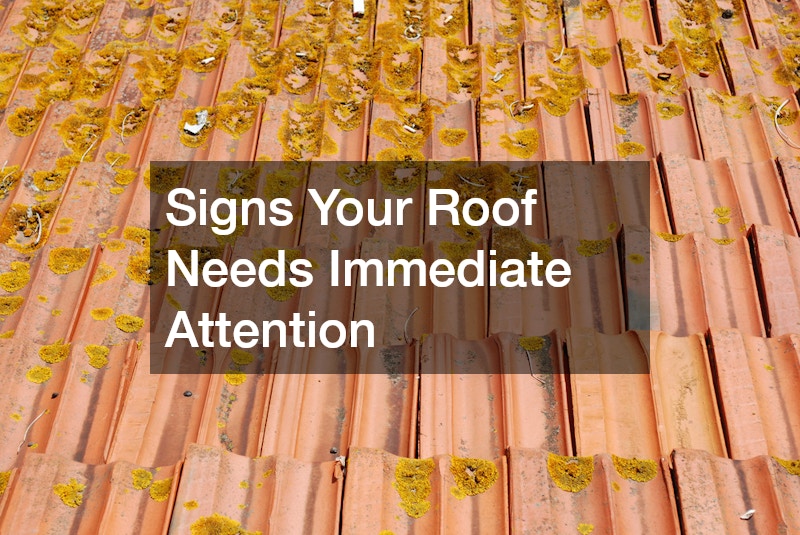
Knowing when your roof needs immediate attention can prevent bigger problems down the road. Ignoring warning signs often leads to more expensive roof repairs or even structural damage that could have been avoided with early action. Catching problems early not only protects your home but can also save you a lot of stress and money.
Here are some key signs to watch for:
Leaks or Water Stains:
One of the most obvious indicators is water damage inside your home. Look for stains on ceilings, walls, or in your attic. Even small leaks can point to larger underlying issues that may require professional inspection. Roofers often spot problems in areas you might overlook, so don’t wait to call in an expert if water intrusion is suspected.
Missing or Damaged Shingles:
Shingles that are curling, cracked, or missing entirely are a red flag. They not only affect your roof’s appearance but also compromise its ability to protect your home from the elements. Addressing these issues quickly with timely roof repairs can prevent leaks and further deterioration.
Sagging or Uneven Roof Lines:
A roof that is sagging or has uneven lines could indicate structural issues or weakened decking. This often requires immediate evaluation from experienced roofers to ensure the problem doesn’t worsen. Ignoring sagging areas can lead to major repair costs or even a full roof replacement.
Granules in Gutters:
If you notice granules from asphalt shingles accumulating in your gutters, it may mean your shingles are wearing out and losing their protective layer. Granule loss is a sign that your roof is aging and might need professional attention sooner rather than later.
In addition to these obvious signs, pay attention to subtle hints like unusual drafts, sudden spikes in energy bills, or mold and mildew growth inside your home. These can indicate that your roof isn’t performing as it should. Acting quickly and calling in trusted roofers for inspection can save headaches and keep small issues from turning into costly repairs.
Roof Repairs vs Replacement: Understanding the Difference
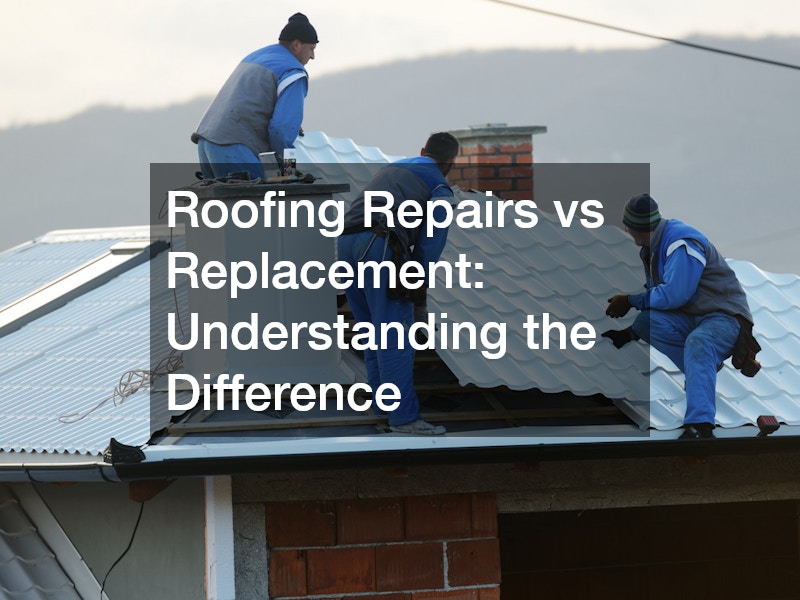
Deciding between repairing your roof and opting for a full roof replacement isn’t always straightforward. Many homeowners struggle with this choice, especially when weighing costs, timing, and the long-term health of their home. Understanding the differences between minor repairs and complete replacement can help you make a confident decision.
Roofing Repairs:
Repairs are ideal for smaller issues that don’t compromise the overall structure of your roof. This could include fixing a few missing shingles, sealing small leaks, or replacing minor sections of flashing. Repairs are typically quicker and less expensive upfront, allowing you to extend the life of your roof by a few years. They can also help prevent minor problems from escalating into major damage that would eventually require a full roof replacement.
Roof Replacement:
A roof replacement becomes necessary when damage is widespread, your roof is nearing the end of its expected lifespan, or multiple repairs are no longer cost-effective. Replacement involves removing the old roofing materials and installing a new roof, which ensures long-term protection and often improves energy efficiency, curb appeal, and overall home value. When considering a replacement, it’s important to hire professional roof replacement services to guarantee proper installation, materials compatibility, and lasting results.
Some homeowners take a hybrid approach—opting for repairs now to manage immediate issues while planning for a full replacement in the near future. This strategy can be especially useful if your budget is tight or if your roof still has several good years left but shows early signs of aging. Proper planning ensures you balance short-term needs with long-term protection for your home.
Common Causes of Roof Damage Homeowners Should Know
Understanding what causes roof damage is key to making smarter decisions about repair versus replacement. Some causes are obvious, like a storm or fallen branch, while others develop slowly over time, quietly weakening your roof. By knowing the main culprits, you can take steps to prevent damage and avoid costly roofing repair down the line.
Weather and Climate:
- Heavy Rain and Snow: Water can seep through cracks and cause leaks, rot, or structural issues. Snow accumulation adds significant weight, potentially damaging shingles and the roof decking beneath. Even short periods of trapped moisture can accelerate material breakdown.
- Wind Damage: Strong gusts can lift or remove shingles, exposing your roof to rain and further damage. Repeated wind exposure can loosen flashing and cause minor issues to become bigger problems over time.
- Hail: Hailstones can crack, dent, or puncture roofing materials. Even if the damage seems minor at first, untreated hail damage can lead to leaks, water stains, or more extensive repairs later.
Age and Material Wear:
Over time, roofing materials naturally degrade. Asphalt shingles may lose granules, curl, or become brittle, while metal roofs can corrode if not properly maintained. Knowing the expected lifespan of your roofing materials helps you plan repairs or replacements before problems escalate.
Improper Installation:
Even a new roof can fail prematurely if it wasn’t installed correctly. Poor flashing, insufficient underlayment, or incorrect nailing can all cause leaks and reduce your roof’s lifespan. Installation errors are often overlooked but can lead to repeated calls for roofing repair soon after the roof is finished.
Neglected Maintenance:
Lack of inspections, cleaning, and minor fixes accelerates damage. Gutters clogged with leaves or debris trap water near roof edges, promoting rot and leaks. Regular maintenance not only prevents damage but also extends the roof’s life and reduces costly emergency repairs.
Accidents or External Damage:
Falling tree branches, roof traffic, or even pets can cause localized damage. While these issues may seem minor at first, they can grow into bigger problems if not addressed promptly. Identifying the cause helps you determine whether a simple repair or a full replacement is necessary.
By understanding the causes of roof damage, you can catch issues early, plan for maintenance, and avoid the headaches of emergency roofing repair or full replacement.
Cost Considerations: Repairing or Replacing Your Roof
One of the biggest factors homeowners consider when deciding between repair and replacement is cost. But price isn’t the only consideration—it’s about long-term value and durability as well. Understanding the potential expenses and planning ahead can help you make the most cost-effective choice for your home.
Repair Costs:
Minor repairs are generally less expensive than a full replacement, sometimes costing just a few hundred dollars for shingle replacements, patching small leaks, or fixing flashing. However, if you find yourself repeatedly fixing the same problem, the costs can add up quickly. Frequent repairs may make a full replacement the smarter long-term investment. Even small repairs should be done by experienced professionals; a trusted local roofer can assess the damage and recommend solutions that save money and extend your roof’s life.
Replacement Costs:
A full roof replacement is a significant investment, and costs vary depending on the roofing material, the size and pitch of your roof, labor rates, and location. Asphalt shingles are generally the most affordable option, while metal, slate, or tile roofs can be considerably more expensive. Keep in mind, though, that a new roof not only protects your home but also adds value and may reduce future maintenance costs. When budgeting, consider consulting multiple roofing companies to compare estimates and services, ensuring you get a fair price and high-quality installation.
Additional Considerations:
- Energy Efficiency: A new roof with proper insulation, ventilation, or reflective materials can lower energy bills and improve comfort throughout the year.
- Insurance and Warranties: Check your insurance policy and manufacturer warranties, as they can influence your financial decisions and help offset unexpected costs.
- Timing: Delaying a necessary replacement can lead to emergency repairs, which are often more costly and inconvenient. Planning ahead helps avoid stressful last-minute decisions.
Ultimately, consider the long-term value versus short-term savings. A slightly higher upfront cost for replacement might prevent ongoing headaches and expenses later.
Choosing the Right Roofing Materials for Longevity
The material you choose for your roof has a huge impact on its durability, maintenance needs, and long-term costs. Picking the right option from the start can save you money, reduce future repairs, and ensure your home stays protected for decades. Let’s take a closer look at the most common roofing materials and what makes each unique.
Asphalt Shingles:
Asphalt shingles are the most widely used roofing material, and for good reason. They are affordable, easy to install, and come in a variety of colors and styles to match your home’s aesthetic. Most asphalt shingles last 15–30 years, depending on climate, maintenance, and installation quality. While they are cost-effective upfront, they can be prone to curling, granule loss, and damage during severe weather, which may lead to occasional repairs over their lifespan.
Metal Roofing:
Metal roofs are becoming increasingly popular due to their extreme durability and energy efficiency. They can last anywhere from 40 to 70 years when properly installed. Metal roofing is resistant to fire, rot, insects, and extreme weather, making it a low-maintenance choice. However, installation requires specialized skills, which is why hiring experienced metal roofers is crucial to ensure a proper fit, longevity, and warranty compliance. Though more expensive upfront, metal roofing can reduce long-term maintenance costs and boost your home’s resale value.
Slate or Tile:
Slate and tile roofs are known for their beauty and exceptional longevity, often lasting 50–100 years or more. These materials are heavy and typically require reinforced roof structures, which can increase installation costs. They are extremely resistant to weather and fire but can be brittle and require careful handling during installation. Slate and tile roofs are ideal for homeowners who want a classic, long-lasting, and visually striking roof.
Wood Shingles or Shakes:
Wood shingles and shakes offer a natural, charming look that complements traditional or rustic home styles. They generally last 20–40 years, depending on the type of wood and maintenance. These roofs require more upkeep, including periodic cleaning, sealing, and treatment to prevent rot, insect damage, and moss growth. While beautiful, wood shingles demand a more hands-on maintenance routine compared to asphalt or metal options.
Other Factors to Consider:
- Climate and Weather Resistance: Some materials perform better in certain climates. For example, metal roofing handles snow and hail well, while asphalt may be more suitable for moderate climates.
- Aesthetic Preferences and Neighborhood Style: Your roof should enhance curb appeal while complementing local architectural styles.
- Maintenance Requirements: Consider how much time, effort, and cost you’re willing to invest in keeping your roof in top condition.
- Installation Complexity and Costs: Some materials, like metal or slate, require specialized contractors and higher labor costs, while asphalt is more straightforward to install.
Choosing the right material upfront ensures your roof performs well for decades, reduces the need for frequent repairs, and provides lasting protection for your home. If you’re considering a metal roof, be sure to consult trusted metal roofing contractors to make sure your investment is installed correctly and will stand the test of time.
Preventive Maintenance to Extend Your Roof’s Lifespan
Regular maintenance is essential for keeping your roof in top condition and avoiding unexpected emergency repairs. Taking a proactive approach can help you extend the life of your roof, protect your investment, and reduce costly issues down the line. Many homeowners underestimate how much routine care can prevent major damage. Follow these essential maintenance tips:
- Inspect Your Roof Twice a Year: Conduct a thorough check for missing or damaged shingles, leaks, or any signs of wear. Spring and fall are ideal times for inspections, as these seasons follow harsh weather that may have stressed your roof.
- Clean Gutters and Downspouts: Clogged gutters can trap water at the edges of your roof, leading to leaks, rot, and foundation issues. Regular cleaning ensures proper drainage and prevents moisture-related damage.
- Trim Overhanging Branches: Branches that hang over your roof can drop debris, scratch roofing surfaces, or even break off during storms. Keeping trees trimmed reduces the risk of physical damage and keeps your roof clear of potential hazards.
- Address Minor Issues Promptly: Small leaks, loose shingles, or minor flashing problems may seem insignificant but can escalate into bigger repairs if left untreated. Timely attention prevents small problems from turning into major headaches.
- Check Attic Ventilation and Insulation: Proper airflow in your attic reduces moisture buildup, prevents mold growth, and keeps your roof structure healthy. Adequate insulation also helps with energy efficiency and protects roofing materials from extreme temperature swings.
By staying proactive with regular maintenance and leveraging professional roofing services when needed, you can significantly reduce the frequency of repairs, extend your roof’s lifespan, and delay the need for a full roof replacement. Prevention is always easier—and less expensive—than fixing major damage after it occurs.
Final Thoughts
Deciding whether to repair or replace your roof is a major decision, but with careful consideration, it doesn’t have to be overwhelming. Assess your roof’s condition, understand the costs and benefits of repair versus replacement, and consider material options and maintenance strategies.
Remember, a roof is an investment in your home’s safety, comfort, and value. Timely action—whether repairing minor issues or scheduling a full replacement—can save money and stress in the long run. Taking the time to understand your options and plan for the future ensures your home stays protected for years to come.