Replacing a roof is a significant investment for any homeowner. Ensuring you ask the right questions of your roofing contractor is crucial to making informed decisions. This article outlines the top questions to discuss with your contractor to ensure your roof replacement goes smoothly.
1. What Is the Estimated Timeline for the Roof Replacement?
a. Understanding the Project Duration
One of the first aspects to consider during a roof replacement is the project’s expected timeline. Discuss the expected timeline from start to finish, including any potential delays caused by weather or the availability of materials.
This understanding helps in planning for contingencies and minimizing the inconvenience caused by construction activities at home.
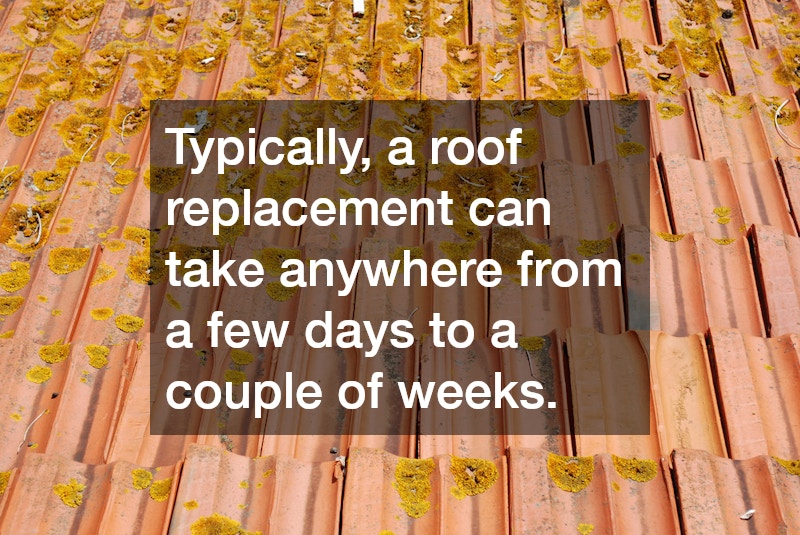
Typically, a roofing replacement can take anywhere from a few days to a couple of weeks. Factors such as the size of the roof, the complexity of the roofing system, and the current weather conditions play a significant role in determining this duration. Engaging in clear communication with your contractor will allow you to set realistic expectations for the project’s completion.
Potential homeowners should also inquire about how weather conditions might affect the timeline. Contractors can provide insights into how past projects faced similar challenges and how they were resolved efficiently. With proper planning, homeowners can mitigate some impacts of unforeseen delays, ensuring the entire project remains on track.
b. Phases of the Replacement Process
Understanding the different phases of the roof replacement process is critical to avoid surprises. Typically, the process begins with an initial assessment and removal of the old roofing material. This is followed by inspecting the underlying structure for any damage before laying the new roofing material.
As the project progresses, each phase represents a new milestone, from installation to finishing touches. Asking your contractor to explain each stage clearly can offer peace of mind and help in anticipating any associated noise or other disturbances. Homeowners can prepare for steps such as having pertinent areas cleared or ready ahead of time, ensuring smooth operations.
Moreover, contractors may identify specific phases that require your input or approval to proceed, such as choosing the color or texture of the materials. Being proactive during these stages can ensure the project stays on schedule without extending beyond the agreed timeline. It’s also pivotal to discuss any potential downtime in between phases and how this might impact the overall duration.
2. What Types of Roofing Materials Are Recommended?
a. Overview of Popular Roofing Materials
When choosing materials, it’s crucial to discuss the various options available with your contractor. Popular materials include asphalt shingles, which are cost-effective, and metal roofing, known for its durability and energy efficiency. Each material offers different benefits, catering to various aesthetic and functional needs.
Another option includes tile roofing, which is celebrated for its classic construction and long-lasting properties. While wooden shingles add a rustic touch, they’re often avoided in areas prone to fires. Asking your contractor to discuss the characteristics of each option can help in making a selection that aligns with your home’s design and climate.
Specialty roofing materials, such as slate, can significantly enhance your home’s luxury appeal but often come with higher upfront costs. Your contractor can provide details on how each material can influence your home’s resale value. Additionally, exploring eco-friendly options with your contractor can highlight sustainability benefits that align with green-living goals.
b. Longevity and Maintenance Considerations
When choosing roofing materials, considering the longevity and required maintenance is crucial to ensuring long-term satisfaction. Asphalt shingles, for instance, can last about 20 to 25 years with minimal upkeep, while materials like metal can last 50 years or more with regular maintenance. Selecting a material should also involve evaluating your willingness and ability to perform ongoing maintenance tasks.
Your contractor can provide insights into typical maintenance procedures for each material, such as cleaning requirements and periodic inspections. This is especially important in areas susceptible to extreme weather conditions that may expedite wear and tear. Choosing a material that suits the local climate can reduce the frequency of necessary maintenance efforts.
3. What Warranties and Insurance Are Provided?
a. Types of Warranties Offered
Warranties serve as a reassurance for homeowners undertaking significant investments such as roof replacement. It is crucial to review the types of warranties offered and whether they are provided by the manufacturer or the contractor. Each can vary greatly in terms of coverage and length.
For instance, a manufacturer’s warranty often covers defects in the roofing material for a specified duration, which can range from a few years to decades. Meanwhile, a contractor’s warranty generally covers workmanship, ensuring that the installation meets specified standards. Comprehensive knowledge of these warranties offers informed protection and confidence in the longevity and quality of your roof replacement.
Before moving forward, ensure you understand the exclusions and conditions that may void the warranty. Discussing these details can help avoid future conflicts or misunderstandings, ensuring expected coverage. Upfront clarity about warranties means smoother resolutions in case of future claims.
b. Contractor Insurance Coverage
Verifying your contractor’s insurance coverage is a vital step in safeguarding against potential liabilities. Contractors should possess both liability insurance and workers’ compensation to protect homeowners from any unforeseen incidents during the project. This coverage assures homeowners of a financially secure project completion even in the face of accidents or damage.
Liability insurance offers protection should the contractor cause damage to your property during the roof replacement. Meanwhile, workers’ compensation ensures that if an employee experiences a job-related injury, the contractor’s insurance covers the costs, not the homeowner. Discussing these insurances with your contractor provides peace of mind throughout the replacement process.
By asking these essential questions, homeowners can gain valuable insights and make well-informed decisions regarding their roof replacement. Always ensure you understand the project’s scope, the materials used, and the protection offered through warranties and insurance. This proactive approach ensures a successful roof replacement project that delivers peace of mind and increased value to your home.