- Choosing the right flat roof material affects longevity, weather resistance, energy efficiency, maintenance, and overall cost.
- Popular flat roof materials include EPDM, TPO, PVC, built-up roofing, modified bitumen, and spray-on coatings, each with unique pros and cons.
- Budget significantly influences material choice, with options ranging from low-cost EPDM and spray-on coatings to higher-end PVC and green roofing.
- Proper installation—DIY or professional—is critical to prevent leaks, extend lifespan, and ensure optimal performance.
- Regular maintenance, such as clearing debris, inspecting for damage, and applying reflective coatings, can prolong roof life.
- Energy-efficient materials like TPO, PVC, light-colored coatings, or green roofs can reduce cooling costs and improve sustainability.
If you’re considering a flat roof for your home or commercial property, one of the biggest decisions you’ll face is choosing the right material. Flat roofs are different from pitched roofs, not just in appearance but in function, maintenance, and cost. The good news? There are plenty of options available for every budget. From low-cost solutions to high-end, long-lasting materials, this guide will walk you through the best flat roof materials so you can make an informed decision.
Why Does the Right Flat Roof Material Matter?
Flat roofs aren’t just about aesthetics—they’re about performance. Choosing the right material affects:
- Longevity: How long your roof will last before it needs replacing.
- Weather resistance: Ability to withstand rain, heat, snow, and UV rays.
- Energy efficiency: Some materials help reduce cooling and heating costs.
- Maintenance requirements: Some materials require more care than others.
- Budget: Upfront cost versus long-term value.
Picking the wrong material can lead to leaks, higher repair bills, and even structural damage. That’s why it’s worth taking the time to understand your options.
What Are the Most Common Flat Roof Materials?
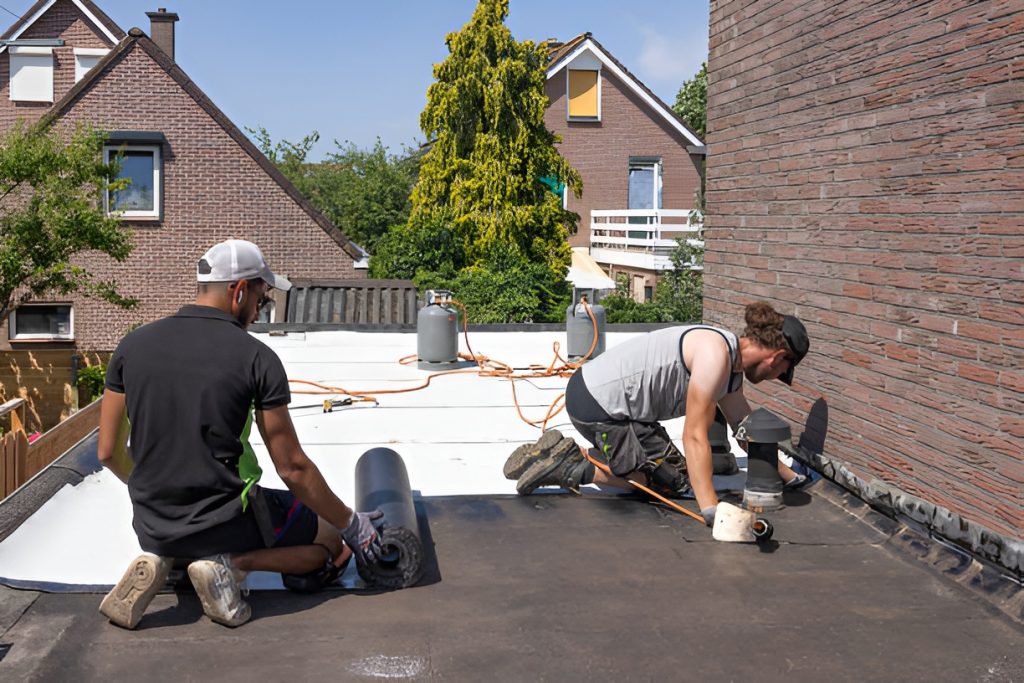
There are several popular materials for flat roofs, each with its own advantages and disadvantages. Let’s break them down.
1. EPDM Rubber Roofing
What is it?
EPDM (Ethylene Propylene Diene Monomer) is a durable synthetic rubber material, usually black, that has been used for decades in commercial and residential roofing.
Pros:
- Affordable and widely available
- Easy to install and repair
- Long lifespan (20-30 years with proper maintenance)
- Flexible in extreme temperatures
Cons:
- Black color absorbs heat, potentially increasing cooling costs
- Not as visually appealing for some homeowners
- Can be prone to punctures if walked on frequently
Best for: Budget-conscious homeowners who want a durable, low-maintenance option.
2. TPO Roofing
What is it?
TPO (Thermoplastic Polyolefin) is a single-ply roofing membrane that comes in white or light colors, which reflects sunlight.
Pros:
- Energy-efficient thanks to reflective properties
- Heat, UV, and chemical-resistant
- Lightweight and easy to install
- Seam-welded joints reduce the risk of leaks
Cons:
- Slightly more expensive than EPDM
- Installation quality is crucial to prevent early failures
- Limited color options
Best for: Homeowners who want an energy-efficient option without breaking the bank.
3. PVC Roofing
What is it?
PVC (Polyvinyl Chloride) is another single-ply membrane roofing material similar to TPO but with a more robust chemical resistance.
Pros:
- Very durable and long-lasting (25-30+ years)
- Resistant to fire, chemicals, and punctures
- Energy-efficient with reflective options
- Seam-welded to reduce leaks
Cons:
- Higher upfront cost
- Requires professional installation for best results
- Can shrink over time if not installed properly
Best for: Mid- to high-budget homeowners who want a premium, long-lasting option.
4. Built-Up Roofing (BUR)
What is it?
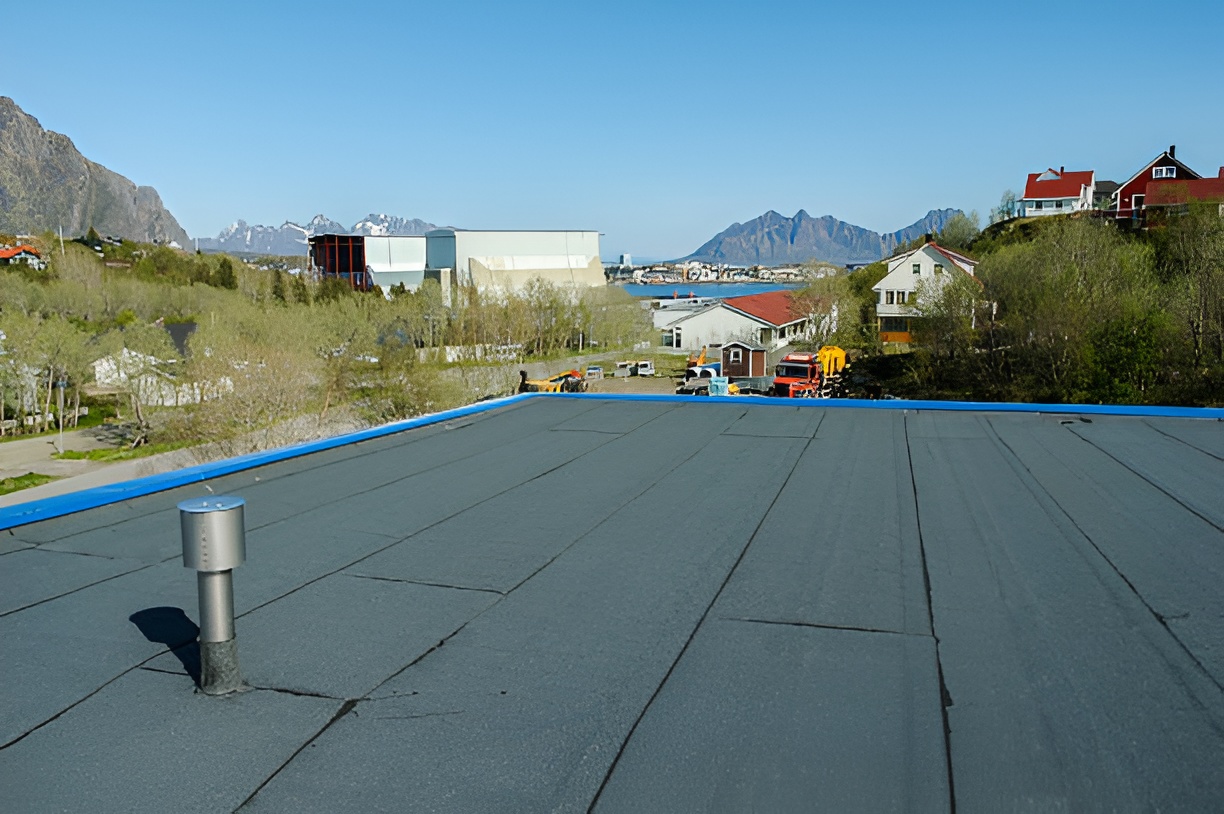
Built-Up Roofing is the traditional “tar and gravel” method, consisting of multiple layers of asphalt and reinforcing fabrics.
Pros:
- Extremely durable and strong
- Great waterproofing abilities
- Resistant to heavy foot traffic
Cons:
- Heavy, requiring a structurally strong roof
- Installation is messy and labor-intensive
- Limited color options
Best for: Commercial buildings and homeowners who want a proven, rugged solution.
5. Modified Bitumen Roofing
What is it?
Modified bitumen is a modern version of BUR, combining asphalt with polymer sheets for added flexibility.
Pros:
- Affordable and durable
- Easy to repair and maintain
- Resistant to cracking and UV damage
Cons:
- Shorter lifespan than PVC or TPO
- Not as visually appealing as some other options
Best for: Budget-conscious homeowners looking for an upgrade from basic asphalt roofing.
6. Spray-On Coatings and Liquid Roofing
What is it?
Liquid roofing involves applying a seamless coating that cures into a waterproof layer, often used as a top layer over existing roofs.
Pros:
- Seamless, reducing leak risks
- Can be applied over most existing flat roofs
- Lightweight and flexible
Cons:
- Shorter lifespan than membranes (10-15 years)
- Requires proper surface prep
- Limited color options
Best for: Quick, cost-effective solutions or as a maintenance layer over older flat roofs.
How Do Flat Roof Material Costs Compare?
Budget is usually a major factor in choosing flat roof materials. Here’s a rough breakdown of typical costs per square foot:
- EPDM: $3 – $7
- TPO: $5 – $10
- PVC: $6 – $12
- Built-Up Roofing: $4 – $9
- Modified Bitumen: $4 – $8
- Spray-On Coatings: $3 – $6
Keep in mind these prices are for materials and basic installation. Labor costs, roof complexity, and local market rates can significantly affect your final cost.
What Factors Should Influence Your Choice?
When selecting flat roof materials, consider more than just the price. Ask yourself these questions:
- How long do I plan to stay in this property?
- How much maintenance am I willing to perform?
- What kind of weather does my area experience?
- Do I want energy efficiency and reflective roofing?
- Will I be walking on the roof frequently?
Your answers will guide you toward the right material for your budget and needs.
DIY or Professional Installation: What Works Best?
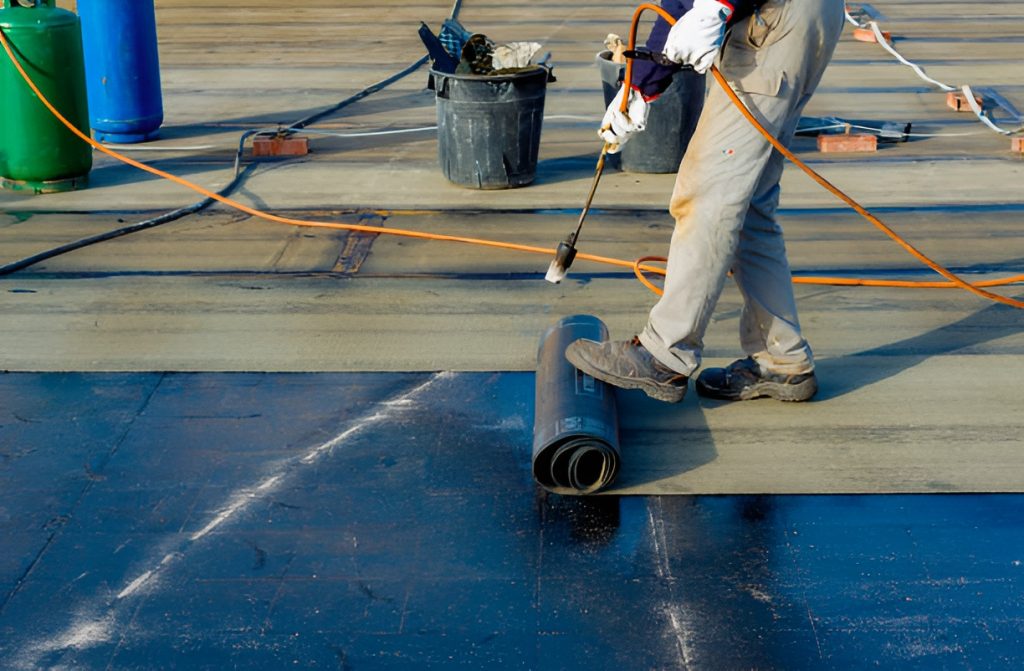
Some flat roof materials, like EPDM and liquid coatings, can be installed by experienced DIYers. However, for more complex roofs or premium materials like PVC, TPO, or built-up roofing, it’s often safer to rely on a professional. Proper flat roof installation is crucial—mistakes can lead to leaks, water damage, and a shorter roof lifespan, which may end up costing more than hiring an expert in the first place.
Tips for DIY flat roof installation:
- Always follow manufacturer instructions carefully
- Ensure proper roof slope and drainage
- Use recommended adhesives and sealants
- Inspect the roof regularly for damage
For complex or large roofs, hiring a professional is often the safer choice.
How to Extend the Life of Your Flat Roof
No matter which material you choose, proper maintenance will prolong the life of your flat roof:
- Inspect for damage twice a year and after major storms
- Keep debris, leaves, and branches off the roof
- Clean gutters and drains regularly
- Address minor leaks promptly to prevent larger issues
- Apply reflective coatings to reduce heat damage (if applicable)
Even lower-budget options can last longer with the right care.
Should You Consider Energy Efficiency?
Some flat roof materials reflect sunlight and reduce heat absorption, which can lower cooling costs:
- White TPO and PVC membranes are highly reflective
- Light-colored coatings can improve energy efficiency
- Green roofs (vegetative layers) provide insulation and reduce heat island effect
If energy bills are a concern, it’s worth considering reflective or insulated roofing options.
How Long Will Each Flat Roof Material Last?
Here’s a general lifespan comparison:
- EPDM: 20–30 years
- TPO: 20–25 years
- PVC: 25–30+ years
- Built-Up Roofing: 20–30 years
- Modified Bitumen: 15–25 years
- Spray-On Coatings: 10–15 years
Lifespan depends on proper installation, maintenance, and climate conditions.
Choosing Flat Roof Materials for Every Budget
Here’s a quick guide to help you choose based on budget:
Low Budget ($3–$7 per sq. ft.):
- EPDM
- Modified Bitumen
- Spray-On Coatings
Mid Budget ($5–$10 per sq. ft.):
- TPO
- Higher-grade EPDM
- Built-Up Roofing
High Budget ($6–$12 per sq. ft.):
- PVC
- Premium TPO
- Green or insulated roofing options
Matching your budget to the right material ensures you get a balance of affordability, durability, and performance.
Conclusion: What’s the Best Flat Roof Material?
There’s no one-size-fits-all answer. The best flat roof material depends on your budget, climate, maintenance preferences, and how long you plan to stay in your home.
- If you want the most affordable and durable option: EPDM or modified bitumen
- If you want energy efficiency and a modern look: TPO or PVC
- If you prioritize long-term durability and don’t mind higher cost: PVC or built-up roofing
Choosing the right flat roof material now can save you headaches, leaks, and expensive repairs later. Take your time, consider your options, and don’t be afraid to consult a professional for guidance.