A roof is one of the most important protective systems on any property, but many roofing problems begin quietly. A small leak, a few damaged materials, or water collecting near the edge of a building may not seem urgent at first. However, these issues can worsen over time, especially when moisture reaches insulation, decking, framing, or interior finishes.
Knowing when to call a professional can help property owners address problems before they become more extensive. Some situations call for a simple repair, while others require a detailed inspection or a larger project. Understanding the warning signs can make it easier to protect the building, manage costs, and make informed decisions about necessary work.
Recognize When Visible Damage Requires Expert Evaluation
Some of the clearest reasons to seek professional assistance are visible changes to the roof. Missing, cracked, curled, or lifted shingles can expose underlying materials to rain, wind, and sunlight. Damaged flashing around chimneys, vents, skylights, and other penetrations can also create openings where water can enter.
Although some damage may appear straightforward, determining its full extent can be difficult from the ground. A damaged section may be connected to deterioration underneath the visible surface. For example, a small area of missing material could allow moisture to reach the roof deck, where prolonged exposure can cause deterioration that is not immediately noticeable.
Professional roof repairs can address isolated problems while also determining whether additional damage exists. A qualified contractor can inspect surrounding areas and determine whether the issue resulted from weather, age, installation problems, drainage, or another cause.
Property owners should pay particular attention to:
- Missing or visibly displaced materials
- Cracked or broken shingles
- Curling or blistering surfaces
- Damaged flashing
- Exposed underlayment or decking
- Sagging areas
- Loose components around roof penetrations
- Granules accumulating in gutters or downspouts
Roofing contractors can also safely inspect areas that may be difficult or dangerous for property owners to access. Rather than climbing onto the roof without appropriate equipment and experience, homeowners can document what they can safely observe from the ground and arrange for a professional evaluation.
Know When Aging Materials Have Reached Their Limits
Every roofing system eventually becomes affected by age. Sun exposure, temperature fluctuations, wind, precipitation, and repeated seasonal changes gradually affect roofing materials. Even when a roof does not have an obvious leak, aging components may become less capable of protecting the structure.
The age of the roof is therefore an important consideration when evaluating whether additional work is worthwhile. Property owners should look for installation records, previous invoices, warranties, or other documentation that can establish when the current system was installed.
The condition of the roofing supplies matters as well. Shingles, membranes, flashing, underlayment, fasteners, sealants, and other components can deteriorate at different rates. A roof may appear acceptable from a distance while specific components are already nearing the end of their useful service life.
During an inspection, ask a professional:
- How old does the roof appear to be?
- Which components show the most deterioration?
- Are problems limited to a specific area?
- How much useful life may remain?
- Are replacement materials still readily available?
- Would continued maintenance be practical?
- Are there signs of previous repairs that could affect future work?
Aging does not automatically mean a roof needs to be replaced. However, when age is combined with widespread deterioration, repeated leaks, or increasingly frequent maintenance, a comprehensive assessment becomes more valuable.
Address Recurring Leaks Before They Become Major Problems

A recurring leak is one of the strongest reasons to seek professional assistance. It can be tempting to address the visible stain or patch the area where water appears to be entering, but the location of interior damage does not always correspond with the actual source.
Water can travel along decking, insulation, framing, and other surfaces before becoming visible inside the building. As a result, a ceiling stain may be several feet away from the exterior entry point.
Professional roofing services can help identify the source rather than simply treating the symptom. An inspection may focus on flashing, penetrations, seams, valleys, drainage points, damaged materials, and other vulnerable areas.
Interior warning signs include:
- Brown or yellow ceiling stains
- Peeling paint or wallpaper
- Damp insulation
- Bubbling or warped surfaces
- Musty odors
- Moisture around roof penetrations
- Repeatedly repaired ceiling damage
Even if a leak appears to stop after dry weather, that does not necessarily mean the underlying issue has disappeared. Another storm can reactivate the problem, and repeated moisture exposure can gradually affect materials beneath the surface.
Property owners should also keep records of recurring leaks. Note when they occur, where they appear, and whether they are associated with heavy rain, wind, snow, or other conditions. This information can help a professional identify patterns and narrow down possible causes.
Determine When Replacement Makes More Sense Than Repair
Not every damaged roof requires complete replacement. Isolated problems can often be addressed without disturbing an otherwise functional system. However, there comes a point when repeated repairs may no longer be the most practical solution.
Roof replacements may become appropriate when deterioration is widespread, the system has reached the end of its expected service life, or multiple areas require ongoing attention. A professional should evaluate the overall condition before making that determination.
Consider the broader picture rather than focusing exclusively on the price of an individual repair. If several repairs have been required within a short period, the combined cost may indicate that the roof is becoming increasingly difficult to maintain.
Other factors to consider include:
- The overall age of the system
- Frequency of leaks
- Extent of surface deterioration
- Condition of the underlying deck
- Previous repair history
- Availability of compatible materials
- Energy-efficiency goals
- Plans to remain in or sell the property
A residential roofer can help homeowners understand whether repairing a specific area is reasonable or whether broader work should be considered. The goal should not simply be to perform the largest possible project. Instead, the recommended solution should reflect the roof’s actual condition, the property’s needs, and the owner’s long-term plans.
Get Professional Help When Drainage Problems Appear
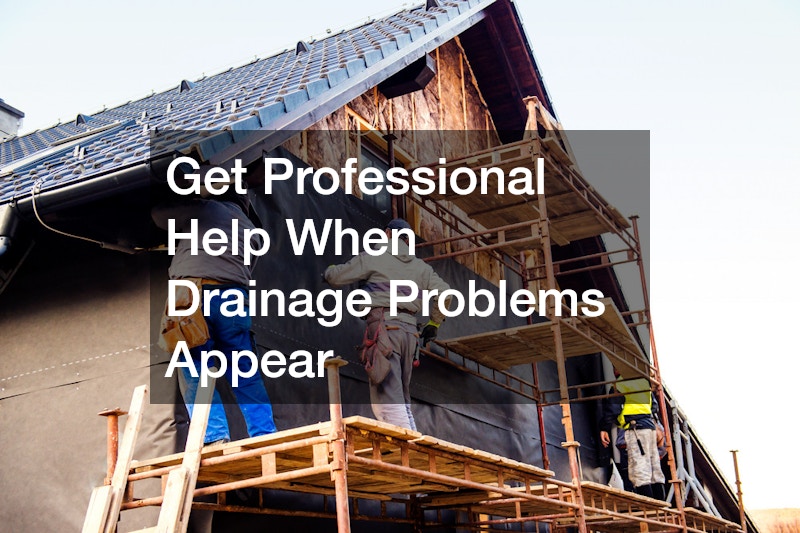
Water management is a critical part of roof performance. Rain needs to move away from the roof surface and safely discharge away from the building. When gutters or downspouts cannot handle that flow, water may collect near the roof edge or foundation.
Gutter contractors can evaluate drainage components for clogs, sagging, separation, improper slope, damaged sections, and other problems. In some cases, cleaning may resolve the issue. In others, damaged or poorly configured components may require repair or replacement.
Roofing contractors can also evaluate how drainage interacts with the roof itself. Water that repeatedly backs up or collects in vulnerable areas can contribute to deterioration and leaks.
Watch for signs such as:
- Water spilling over gutter edges during rain
- Gutters pulling away from the building
- Sagging gutter sections
- Persistent standing water
- Erosion beneath downspouts
- Water collecting near exterior walls
- Staining or deterioration around roof edges
Property owners should inspect drainage systems periodically, especially before seasons with heavier precipitation. Keeping gutters clear is useful, but drainage problems should not always be treated as simple maintenance issues. Persistent problems may indicate that the system needs a more thorough evaluation.
Respond Quickly After Severe Weather or Storm Damage
Severe weather can create roofing problems that are difficult to see from the ground. High winds may loosen materials without completely removing them, while hail can create small areas of impact damage. Heavy rain can expose weaknesses around flashing, seams, penetrations, and drainage systems.
After a major storm, property owners should perform a safe visual inspection from the ground and look for obvious changes. Avoid climbing onto the roof to investigate suspected damage unless you have the appropriate training and safety equipment.
A commercial roofer may be particularly important after severe weather affects a large building. Commercial roofs can have different designs, drainage configurations, membranes, mechanical equipment, and access considerations than residential roofing systems. Identifying damage promptly can help limit water intrusion and disruptions to building operations.
After severe weather:
- Check the property from safe locations.
- Look for missing or displaced materials.
- Examine gutters and downspouts for obvious damage.
- Check interior ceilings and walls for signs of moisture.
- Photograph visible damage when practical.
- Arrange a professional inspection if damage is suspected.
- Keep records of inspection findings and recommended work.
Prompt evaluation is particularly important when water has entered the building. Moisture can affect insulation, drywall, framing, flooring, and stored contents if the underlying issue remains unresolved.
Understand Which Problems Should Never Be DIY Projects
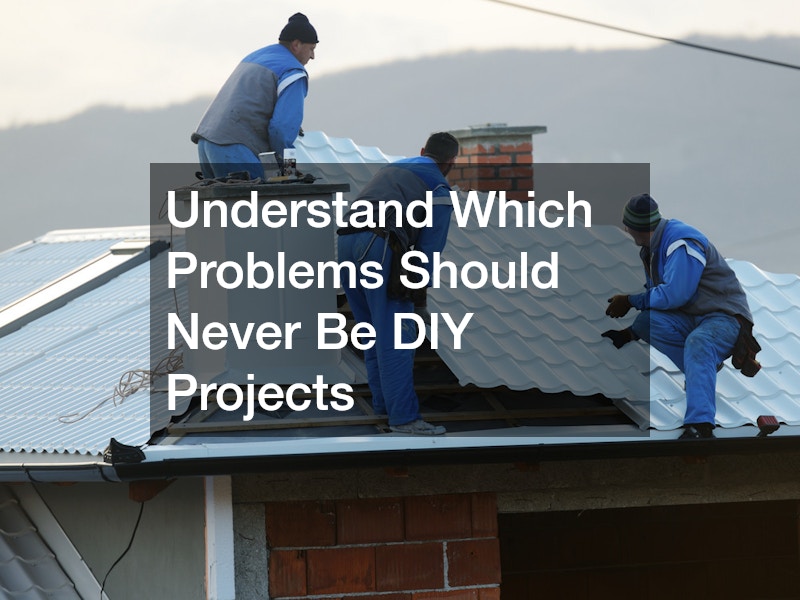
There are useful maintenance tasks property owners can handle, but roofing work is not always an appropriate do-it-yourself project. Working at height introduces significant fall risks, and an apparently simple repair may involve structural or moisture-related issues that are difficult to identify without professional experience.
Using the wrong materials can also create problems. A patch may not be compatible with the existing system, or an improperly installed component may redirect water into an area that was previously protected.
Professional help should be considered immediately when a problem involves:
- Significant structural damage
- Large areas of missing material
- Extensive water intrusion
- Sagging roof sections
- Difficult-to-access areas
- Complex flashing or penetration issues
- Commercial roofing systems
- Damage following severe weather
- Repairs requiring specialized equipment
A roofing company can also help determine whether an apparent problem is actually part of a larger issue. This is especially useful when a property owner cannot confidently determine the cause of damage.
Homeowners can still play an important role in maintenance by monitoring visible conditions, keeping drainage systems clear, documenting changes, and arranging professional inspections when concerns arise.
Compare Professional Assessments Before Authorizing Major Work
When a project could involve substantial expense, getting more than one professional opinion can help property owners make a better-informed decision. This does not mean automatically choosing the lowest estimate. Instead, compare what each professional believes is wrong and what work they recommend.
A useful estimate should clearly explain the scope of work. Property owners should understand which areas will be addressed, which materials will be used, and whether underlying components will be inspected or replaced.
Ask questions such as:
- What caused the problem?
- How extensive is the damage?
- Can the affected area be repaired effectively?
- How long is the proposed solution expected to last?
- What materials will be installed?
- Are there underlying issues that need attention?
- What preparation is required?
- What warranties apply?
- How will drainage and surrounding components be handled?
A residential roofer may evaluate a home differently from a commercial roofer evaluating a larger property. Building design, occupancy, roof configuration, equipment, drainage, and operational requirements can all affect the appropriate approach.
Clear estimates make it easier to compare recommendations based on scope, materials, durability, and workmanship rather than simply looking at the final price.
Prepare Your Property Before Roofing Work Begins
Once professional work has been scheduled, property owners can take several steps to make the project safer and more efficient. Preparation also helps reduce the risk of accidental damage to belongings or landscaping.
Inside the building, remove fragile objects from walls and shelves where practical. Roofing work can create vibrations that may affect items hanging nearby. If the contractor recommends covering or moving particular belongings, follow those instructions.
Outside, move vehicles, patio furniture, decorations, and other movable objects away from the work area. Discuss landscaping concerns with the contractor before work begins.
It is also helpful to:
- Keep children and pets away from active work areas.
- Confirm where workers will access the property.
- Keep driveways and access points clear.
- Inform the contractor about known leaks or previous repairs.
- Protect or relocate fragile outdoor items.
- Discuss expected noise and working hours.
- Confirm how debris will be collected and removed.
- Ask how unexpected underlying damage will be handled.
Good communication before work begins can prevent misunderstandings later. Property owners should know what the initial scope includes and how additional issues discovered during the project will be communicated.
Use Professional Maintenance to Extend Roof Performance
Routine maintenance can help identify problems before they become emergencies. Instead of waiting for a leak to appear inside the building, property owners can schedule inspections that evaluate the condition of vulnerable components.
The appropriate inspection schedule depends on the roof’s age, material, weather exposure, surrounding environment, and property type. Older systems or buildings exposed to severe weather may benefit from more frequent professional attention.
An inspection should consider areas such as:
- Surface materials
- Flashing
- Roof penetrations
- Seams
- Drainage components
- Visible seals and connections
- Roof edges
- Areas with previous repairs
- Signs of moisture intrusion
Keeping maintenance records is another practical step. Record inspection dates, observed problems, completed repairs, materials used, and recommendations for future work. These records can help identify recurring issues and make long-term planning easier.
Preventive maintenance does not guarantee that a roof will never develop a problem. However, it can make deterioration easier to identify and give property owners more time to plan for repairs or larger projects. Instead of reacting to an emergency, owners can make decisions based on documented conditions and professional recommendations.
Professional roofing assistance becomes necessary when problems exceed what a property owner can safely and confidently evaluate or address. Visible damage, recurring leaks, aging materials, drainage problems, storm damage, and widespread deterioration can all justify a professional inspection.
The most effective approach is to respond early, understand the cause of a problem, and choose a solution that matches the property’s actual condition. Regular inspections, proper maintenance, and prompt attention to warning signs can help property owners protect their buildings while making more informed decisions about future work.