This article explores the daily routines, challenges, and insights from the world of professional roofers.
1. What is a typical day like for professional roofers?
1.1 Morning Preparation and Planning
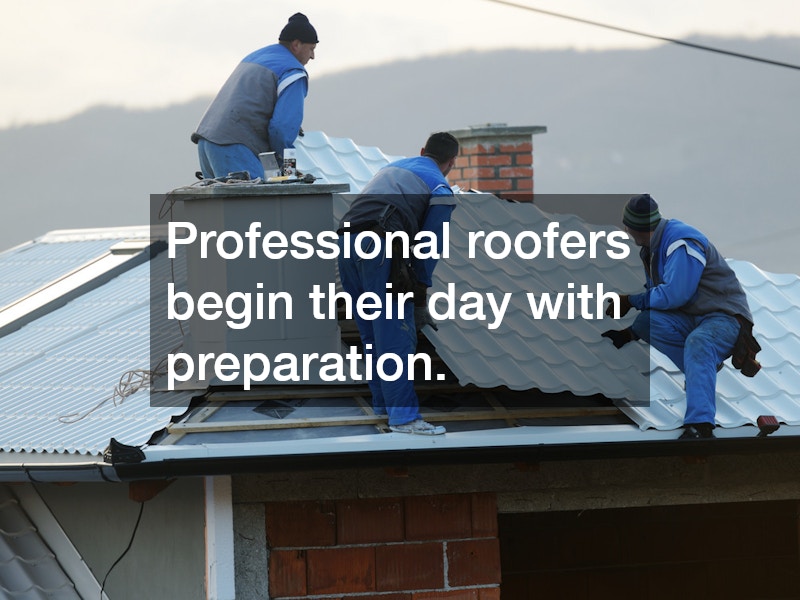
Professional roofers begin their day with preparation. As the sun rises, they gather tools and review plans.
Ensuring every crew member understands their roles is crucial for productivity and safety.
Team meetings allocate tasks, address potential challenges such as weather, and emphasize occupational safety regarding protective gear. Proper tool maintenance prevents delays and maintains work quality.
1.2 On-site Setup and Safety Checks
Upon arrival on-site, roofers set up scaffolding, ladders, and essential structures. These safety checks confirm everything is secure before work begins. Once protocols are assured, materials are organized efficiently, laying a foundation for the day’s productivity.
1.3 Midday Work Progress and Breaks
Towards midday, roofers balance focus and stamina while observing safety measures and adhering to specifications. Necessary breaks prevent fatigue and maintain energy levels. During this period, any unforeseen issues are addressed swiftly with problem-solving abilities.
1.4 Afternoon Challenges and Problem-solving
Afternoons bring unique challenges. Weather changes may alter plans, requiring adaptability to ensure safety and work continuity. Skilled roofers collaborate to address any issues, transforming obstacles into resolved tasks.
1.5 End-of-Day Wrap-up
End-of-day activities include reviewing completed tasks, documenting progress, and preparing for the next day. Equipment is cleaned and stored to maintain condition. Safety remains a priority as the worksite is secured before leaving, highlighting areas for improvement and fostering team unity.
2. What skills are essential for a successful roofer?
2.1 Knowledge of Roofing Materials
A roofer must understand various materials, their benefits, and limitations. Knowledge includes eco-friendly options and allows roofers to advise clients effectively, ensuring high-quality solutions.
2.2 Technical and Problem-solving Abilities
Technical skills are vital, including measuring accurately and troubleshooting issues. Understanding building codes ensures compliance. Adaptability and problem-solving under pressure distinguish successful roofers.
2.3 Physical Endurance and Dexterity
Roofing is demanding, requiring strength, endurance, and dexterity. Physical fitness impacts work quality and safety. Regular exercise helps roofers maintain peak condition for their tasks.
2.4 Safety Awareness and Compliance
Safety is integral, from using gear correctly to following protocols. Regular trainings emphasize safety measures, contributing to a trustworthy environment.
2.5 Communication and Teamwork
Effective communication is key, extending to client interactions. Teamwork is crucial in coordinating tasks and meeting challenges, fostering successful project outcomes.
3. What challenges do roofers face regularly?
3.1 Weather Conditions
Extreme weather affects timelines and safety. Roofers adapt by monitoring forecasts and using protective measures. Communication with clients about delays maintains trust.
3.2 Heights and Physical Demands
Working at heights requires physical readiness and compliance with safety protocols. Maintaining physical and mental toughness is essential for quality and precision.
3.3 Supply and Material Delays
Supply chain issues can delay projects. Roofers counteract this with contingency planning and strong supplier relationships, maintaining transparency with clients.
3.4 Project Scheduling and Deadlines
Coordinating schedules, labor, and materials requires careful management. Digital tools help maintain project flow and client satisfaction.
3.5 Client Expectations and Changes
Managing evolving client expectations involves effective communication and flexibility, transforming challenges into opportunities for satisfaction.
4. How do roofers ensure safety on the job?
4.1 Use of Protective Gear
Roofers use helmets, harnesses, and slip-resistant footwear as essential protective gear. Regular checks ensure adherence to safety standards.
4.2 Conducting Safety Briefings
Safety briefings refresh protocols and address site-specific risks, fostering a proactive risk management environment.
4.3 Regular Equipment Checks
Regular inspections prevent equipment failure, maintaining high standards and safety on-site.
4.4 Emergency Protocols
Emergency protocols prepare roofers for handling on-site incidents, ensuring swift and effective responses.
4.5 Training and Certifications
Continuous training ensures roofers are updated with the latest practices, maintaining safety and quality standards.
5. What tools and technology are used in modern roofing?
5.1 Hand Tools and Power Tools
Roofing employs hand and power tools to enhance efficiency. Proper maintenance of these tools influences project success.
5.2 Safety Equipment
Modern safety gear, including innovative high-tech equipment, enhances protection without compromising function.
5.3 Roofing Software and Apps
Digital tools enhance project management and efficiency, facilitating tasks like estimating and scheduling in real-time.
5.4 Material Advancements
Innovative materials improve efficiency and meet aesthetic demands, requiring roofers to stay informed and adaptable.
5.5 Eco-friendly Solutions
Eco-friendly materials and practices, such as solar shingles, reflect a shift towards sustainable building, providing alternatives for conscious clients.
Professional roofers balance skill, safety, and adaptability to meet industry challenges, using advances in technology and materials to enhance outcomes. Their dedication ensures safety, client satisfaction, and environmental responsibility in their demanding yet rewarding career.