Most homeowners assume that if their roof looks fine from the ground, everything is working as it should. Unfortunately, roofing systems rarely fail in obvious ways at first. Damage tends to develop quietly—beneath shingles, behind walls, or in areas you rarely inspect.
Weather plays a major role. Heavy rains, strong winds, and intense sun exposure gradually weaken materials. Even minor storms can create small vulnerabilities that worsen over time. Add in natural aging, and your roof becomes more susceptible to subtle failures that aren’t immediately visible.
Another reason hidden damage is so common is that your home’s exterior systems are interconnected. A small leak in the roof can travel along beams, seep into insulation, and eventually show up far from the original source. By the time you notice a stain on the ceiling, the actual issue may have been developing for months.
Understanding this layered structure is the first step. Once you realize that roofing problems rarely stay isolated, you begin to look at your home more holistically—and that’s where early detection becomes possible.
Check Your Attic for Early Warning Signs

Your attic is one of the most revealing places to uncover hidden roofing issues. It acts like a buffer zone between the roof and your living space, which means it often shows signs of trouble long before the interior does.
Start by visiting your attic during daylight hours. Turn off any artificial lighting and look up. If you see small beams of light coming through the roof boards, that’s a clear sign of gaps or cracks that could allow water in.
Next, pay close attention to surfaces:
- Dark stains or streaks along wood beams
- Damp insulation or areas that feel compressed
- A musty smell that lingers even when the space is dry
Insulation is particularly important to evaluate. Materials like spray foam insulation can sometimes trap moisture if there’s a hidden leak above it. Instead of allowing water to drip through visibly, it holds it in place, which can lead to mold growth and structural weakening over time.
If you notice any of these signs, it’s often an early indication that roof repair may be needed—even if the exterior still looks intact.
Spot Subtle Interior Signs of Roof Damage
Sometimes, the first clues of a roofing issue appear inside your home rather than outside. These signs are easy to overlook because they often resemble common cosmetic problems.
You might notice a faint discoloration on the ceiling. At first, it looks like a minor stain. Over time, it darkens or spreads. In other cases, paint may begin to bubble or peel, especially near corners or edges of rooms.
Walls can also provide hints. Slight warping, soft spots, or persistent dampness may indicate moisture intrusion from above. These issues are often misdiagnosed as plumbing problems, which delays proper action.
A homeowner might repaint a ceiling twice before realizing the stain keeps returning. That’s usually the moment they contact a roofing company to investigate further.
Professional roofing services can trace these subtle signs back to their source, identifying whether the issue stems from a small leak, compromised flashing, or a deeper structural concern.
Inspect Your Roof Surface Without Climbing It
You don’t need to climb onto your roof to identify potential problems. In fact, staying on the ground is often safer and still highly effective if you know what to look for.
Grab a pair of binoculars and take a slow, deliberate look at your roof from multiple angles. Focus on patterns rather than individual details.
Here are a few visual cues that often indicate hidden damage:
- Shingles that appear curled, cracked, or uneven
- Patches where granules seem to be missing
- Dark streaks that don’t match the rest of the roof
- Areas that look slightly sunken or sagging
These signs suggest underlying issues such as trapped moisture or weakened decking. Even if the damage isn’t severe yet, it can escalate quickly if ignored.
In situations where you notice significant irregularities, experienced roofers can provide a closer inspection. If the damage appears sudden or severe—such as after a storm—it may even require emergency roof repairs to prevent further complications.
Examine Flashing and Roof Penetrations Carefully
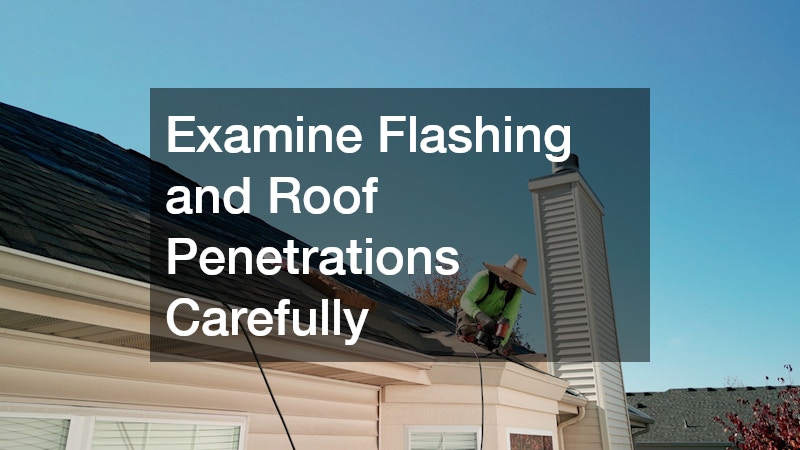
Flashing is one of the most vulnerable components of any roofing system. It’s designed to seal the joints around chimneys, vents, skylights, and other penetrations, but it’s also one of the first areas to fail.
Unlike shingles, flashing issues aren’t always obvious from a distance. They often begin as small separations or hairline cracks that allow water to seep in gradually.
If you’re able to safely observe these areas from a ladder or nearby window, look for:
- Rust or corrosion along metal edges
- Gaps where materials have pulled away
- Loose or lifted sections
Even minor imperfections in flashing can lead to significant water intrusion over time. What starts as a small leak can eventually require extensive roof repair if left unaddressed.
This is one of those situations where a roofing company can provide valuable insight. They can assess whether the flashing needs resealing, reinforcement, or full replacement before the issue spreads.
Don’t Overlook Gutters and Drainage Systems
Your gutters do more than just carry water away from your home—they also serve as an early warning system for roofing problems.
When gutters aren’t functioning properly, water can back up onto the roof, increasing the risk of leaks and hidden damage. But even when they appear to be working, they can still reveal subtle clues.
Take a closer look at what’s inside your gutters. If you notice a buildup of small, sand-like particles, those are likely shingle granules. Their presence suggests that your roofing materials are deteriorating.
Also, watch how water flows during rainfall. If you see overflow, uneven drainage, or pooling near the roofline, it could indicate blockages or improper slope.
Roofers often evaluate these drainage patterns as part of routine inspections. Preventative roofing services can address minor issues—like cleaning, realignment, or sealing—before they contribute to more serious roof damage.
Investigate Exterior Walls and Siding for Clues
Hidden roofing damage doesn’t always stay confined to the roof. Water can travel downward, affecting exterior walls and siding in ways that aren’t immediately obvious.
Walk around your home and look closely at the siding. You might notice subtle warping, discoloration, or areas that feel softer than others. These signs often point to prolonged moisture exposure.
In some cases, the issue may extend to the foundation. Cracks or damp spots near the base of your home can indicate that water is not being properly diverted away.
A siding contractor can help determine whether these issues are linked to roofing problems or if they originate elsewhere. They may also recommend solutions like concrete waterproofing to protect vulnerable areas and prevent further damage.
By connecting these dots, you gain a clearer picture of how your entire exterior system is functioning—and where it might be failing.
Check Your Crawlspace for Hidden Moisture Damage
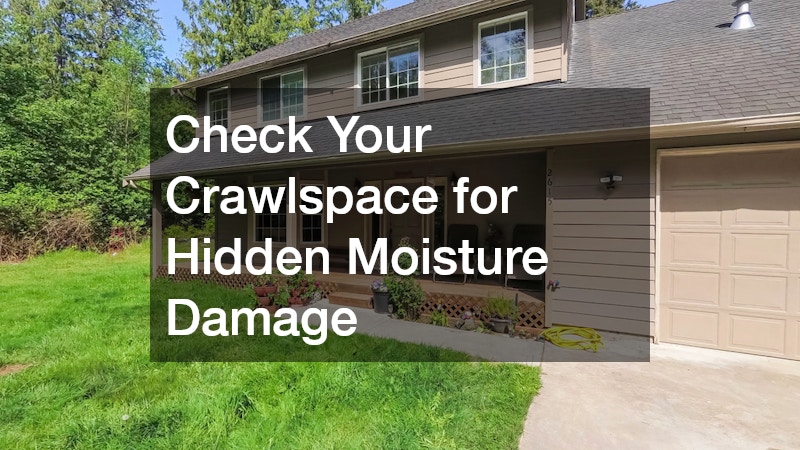
The crawlspace is one of the most overlooked areas of a home, yet it often holds critical clues about hidden roofing issues.
Moisture from a compromised roof can travel through walls and floors, eventually settling in the lowest parts of your home. This creates an environment where mold, mildew, and wood rot can thrive.
When inspecting your crawlspace, pay attention to:
- Standing water or damp soil
- A strong, musty odor
- Visible mold on wooden beams
- Insulation that appears wet or deteriorated
Solutions like crawlspace encapsulation can help control moisture levels and prevent long-term damage. Additionally, insulation methods such as spray foam insulation can create a more controlled environment, making it easier to detect and manage hidden issues.
Addressing problems in the crawlspace not only protects your home’s structure but also improves overall air quality and energy efficiency.
Know When Damage Means It’s Time for Replacement
Not all roofing problems can be solved with repairs. At a certain point, the extent of the damage—or the age of the roof—makes replacement the more practical option.
If you find yourself dealing with recurring leaks, widespread material deterioration, or structural concerns, it may be time to consider roof replacement.
A professional evaluation from a roofing company can help you weigh your options. They’ll assess factors like:
- The overall condition of the roof
- The cost of ongoing repairs versus replacement
- The expected lifespan of your current materials
While replacement is a larger investment upfront, it often provides long-term savings by eliminating the need for repeated fixes and improving energy efficiency.
Prevent Hidden Damage With Proactive Maintenance
The best way to deal with hidden roofing damage is to prevent it from happening in the first place. Regular maintenance allows you to catch small issues before they turn into major problems.
A simple seasonal routine can make a significant difference:
- Inspect your attic and ceilings for early signs of moisture
- Clean gutters and ensure proper drainage
- Check for visible damage after storms
- Schedule periodic professional inspections
Roofing services play a key role in this process. Professionals can identify vulnerabilities that aren’t obvious to the untrained eye and recommend targeted solutions.
In some cases, additional measures like concrete waterproofing can provide an extra layer of protection, especially in areas prone to heavy rain or flooding.
Taking a Smarter, More Holistic Approach to Roof Health
Hidden roofing damage isn’t just about what’s happening above your head—it’s about how your entire home responds to moisture, weather, and time. When you begin to think of your roof as part of a larger system, your approach to maintenance naturally becomes more proactive and informed.
For example, consider a homeowner who notices a faint musty smell in their living room. It doesn’t seem urgent, so they ignore it. Weeks later, a small stain appears on the ceiling. By the time they investigate, the issue has spread into insulation, framing, and even the crawlspace.
Now compare that to someone who checks their attic seasonally, monitors their gutters after storms, and pays attention to subtle interior changes. They catch the issue early, address it quickly, and avoid costly repairs.
This difference isn’t about luck—it’s about awareness.
Another important aspect is timing. Roofing problems rarely happen all at once. They develop gradually, often starting as minor vulnerabilities. By the time visible damage appears, the underlying issue has usually been present for a while.
That’s why it’s helpful to build small habits into your routine:
- Take a few minutes after heavy rain to observe how water drains from your roof
- Walk around your home every couple of months and look for changes
- Pay attention to smells, textures, and subtle shifts in your interior spaces
These actions don’t require special tools or expertise, but they can significantly improve your ability to detect hidden damage early.
It’s also worth acknowledging that not every issue can—or should—be handled on your own. There’s value in knowing when to bring in a professional. An experienced eye can spot patterns and risks that aren’t immediately obvious, saving you time and preventing misdiagnosis.
Ultimately, identifying hidden roofing damage is less about performing a perfect inspection and more about developing a mindset of curiosity and attentiveness. When you stay engaged with your home’s condition, you’re far more likely to catch problems early and address them effectively.
Your roof is one of the most important protective systems your home has. Treating it with consistent care and attention ensures that it continues to do its job—quietly, reliably, and without surprise.