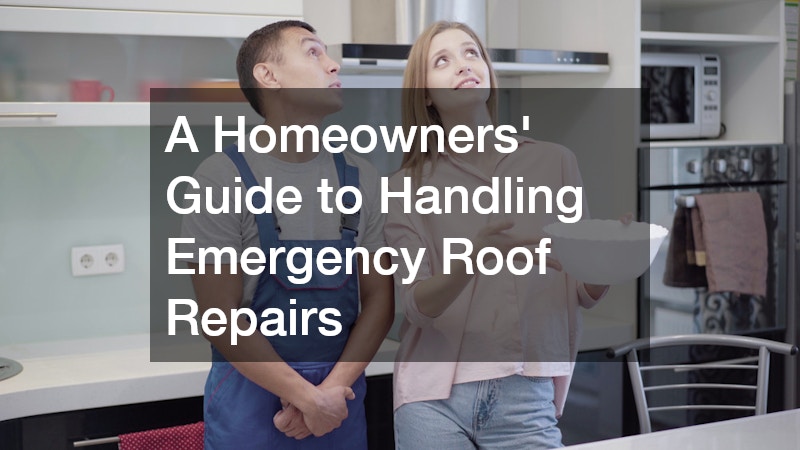
Being prepared for emergency roof repairs is essential to prevent extensive property damage. Timely interventions ensure the home’s integrity, safety, and comfort, protecting both assets and residents from escalating issues. Understanding common emergency scenarios and knowing how to respond can save homeowners time, money, and stress during unexpected roof problems.
What Constitutes an Emergency Roof Repair?
Identifying Common Emergency Roof Issues
Emergency roof repairs arise from sudden, severe damage that compromises a home. Heavy leaks, wind-blown shingles, or debris puncturing the roof are common triggers. These situations can lead to water infiltration and accelerate deterioration if not addressed promptly. Ice dams, hurricanes, tornadoes, and fallen trees further highlight the risks homeowners face. Less obvious threats, like mold from unnoticed leaks, underscore the need for vigilance. Regular inspection and early response preserve roofing longevity and prevent costly repairs.
Differences Between Urgent and Non-Urgent Roof Repairs
Urgent repairs threaten structural integrity or cause immediate water damage, such as flooding attics during storms. Non-urgent issues involve minor leaks or cosmetic concerns that can be addressed later. Prioritizing repairs allows homeowners to allocate resources effectively while maintaining home safety. Professionals can advise on timing, ensuring non-urgent repairs do not evolve into emergencies, while urgent issues receive immediate attention.
Consequences of Ignoring Roof Emergencies
Neglecting roof emergencies can lead to water damage, mold growth, compromised insulation, and structural deterioration. Persistent issues may weaken support beams, increase repair costs, and create safety hazards. Ignoring problems can also affect insurance claims and premiums. Prompt interventions prevent escalating damage, safeguard property value, and maintain home livability. Preventive measures like gutter cleaning and sealing enhance resilience against emergencies.
Steps to Take When You Discover Roof Damage
Initial Assessment and Safety Precautions
Begin by observing damage from a safe vantage point. Avoid climbing onto the roof, and document findings with photos for insurance and professional evaluations. Secure temporary interior measures, such as tarps or containers, to prevent water damage. Communicate the situation to insurance providers, emergency contacts, and relevant associations. Safety during this phase protects both occupants and property.
Contacting a Professional Roofer
Hire licensed, insured, and experienced professionals. Use recommendations and reviews to guide selection. Obtain estimates and discuss timing, understanding that emergencies may incur premium charges. Roofers assist with insurance claims, provide warranties, and offer durable, code-compliant solutions. Professionals also advise on preventive measures, strengthening roofing systems, and minimizing future vulnerabilities.
Temporary Mitigation Measures
Temporary fixes reduce further damage until repairs are complete. Tarps, roofing tape, or patches prevent water intrusion, while keeping gutters clear minimizes overflow. Use protective gear and ground-level interventions to ensure safety. Emergency kits with sealants and tarps enhance preparedness. Educating household members on temporary measures ensures a coordinated response, bridging the gap between damage occurrence and professional remediation.
Preparing for Future Roof Emergencies
Regular Maintenance and Inspections
Routine checks detect loose shingles, degraded caulking, and gutter blockages before they escalate. Professional inspections reveal hidden leaks or structural weaknesses. Seasonal inspections address weather-specific risks, such as ice dams or heat damage. Maintaining a checklist ensures comprehensive care, while dialogue with roofing experts supports the adoption of the latest materials and techniques. Proactive maintenance extends roof lifespan, safeguards finances, and ensures family safety.
Investing in Durable Roofing Materials
High-quality shingles or metal roofing enhance resilience against environmental stress. Durable materials often include extended warranties, reducing repair frequency. Consulting professionals ensures selections match local climate and risks. Impact-resistant or fire-resistant options provide additional protection. Energy-efficient and eco-friendly materials contribute to long-term savings and sustainability. Investing in robust materials protects property while enhancing aesthetics and environmental responsibility.
Creating an Emergency Roof Repair Plan
Develop a plan listing professional contacts, insurance information, and step-by-step actions for damage scenarios. Include safety checks, supply inventories, and evacuation protocols if structural integrity is compromised. Financial planning for urgent repairs ensures a quick response. Review and rehearse the plan regularly, incorporating lessons from past emergencies. Assign household roles for efficient coordination and update the plan as conditions or home features change. A comprehensive emergency plan equips homeowners to respond calmly, protect assets, and maintain household resilience.
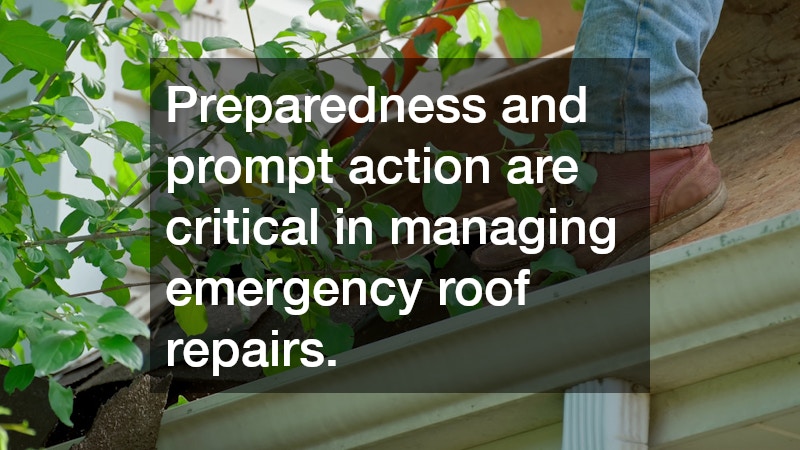
Preparedness and prompt action are critical in managing emergency roof repairs. By recognizing urgent issues, engaging qualified professionals, implementing temporary measures, and investing in preventive care, homeowners safeguard both property and family. Routine maintenance, durable materials, and a clear emergency plan reduce risk and costs while extending roof lifespan. Prioritizing these strategies ensures resilient homes, preserving safety, comfort, and peace of mind during unforeseen events.