A roof does far more than complete the look of a home—it acts as the first line of defense against the elements. From intense sunlight and heavy rain to wind and debris, your roof is constantly exposed to conditions that can slowly wear it down. When the time comes to replace it, making informed decisions can mean the difference between decades of reliable protection and recurring problems that drain your time and money.
This guide breaks down the most important considerations homeowners should keep in mind when planning a major roofing project. By understanding what to look for, what to avoid, and how to plan effectively, you can ensure your investment delivers long-term value and peace of mind.
1. Start With a Thorough Roof Evaluation Before Committing
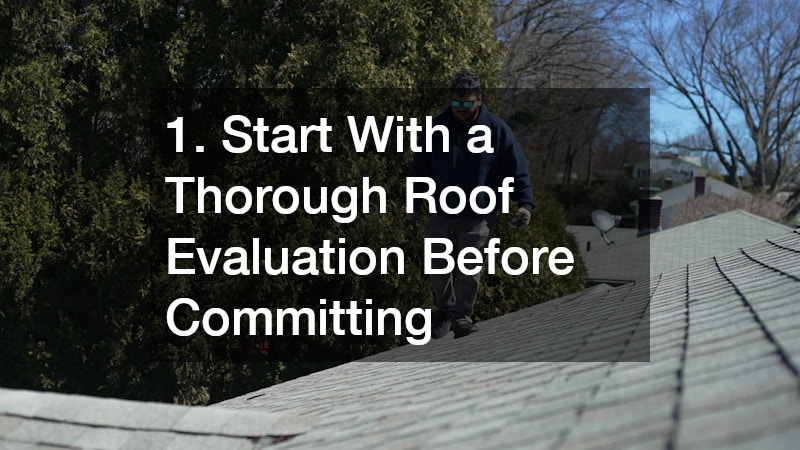
Before moving forward with a roof replacement, it’s essential to determine whether a full overhaul is truly necessary. Many homeowners assume visible damage automatically requires replacement, but in some cases, targeted roof repairs can extend the life of your existing structure.
A detailed inspection should include assessments of both the exterior and the interior. On the outside, look for missing shingles, sagging areas, moss growth, or damaged flashing. Inside your attic, check for moisture, mold, or signs of water intrusion such as stains or warped wood.
Key evaluation tips include:
- Inspect your roof after severe weather events
- Look for granules from shingles collecting in gutters
- Check ceilings for discoloration or soft spots
- Evaluate the age of your current roof (most materials have a known lifespan)
If your roof is nearing the end of its expected lifespan or has widespread damage, a roof replacement is often the more cost-effective long-term solution. However, if issues are isolated, roof repairs may be sufficient for the time being. Consulting a professional can help clarify the best path forward based on your specific situation.
2. Choose the Right Professional for the Job
Selecting the right professional is one of the most critical steps in ensuring a successful project. Not all roofing contractors offer the same level of expertise, reliability, or customer service, so it’s important to do your homework before making a decision.
Start by researching credentials, licensing, and insurance. A reputable local roofing contractor will be familiar with regional building codes and climate challenges, which can directly impact the quality and durability of your roof.
When evaluating potential professionals, consider the following:
- Verify licenses and insurance coverage
- Ask for references and review past projects
- Read online reviews and testimonials
- Request detailed written estimates
- Clarify warranty terms for both labor and materials
Working with a qualified contractor reduces the likelihood of installation errors and ensures accountability throughout the process. Choosing carefully up front can save significant stress and expense later.
3. Compare Materials Based on Climate and Longevity
The material you choose will significantly influence your roof’s performance, lifespan, and maintenance requirements. While there are many options available, selecting one that aligns with your local climate is essential for long-lasting protection.
A shingle roof remains one of the most popular choices due to its affordability, versatility, and ease of installation. However, other materials like metal, tile, and slate may offer superior durability in certain environments.
Factors to consider when comparing materials:
- Resistance to wind, rain, and temperature fluctuations
- Expected lifespan and maintenance needs
- Energy efficiency and insulation properties
- Aesthetic appeal and compatibility with your home’s design
- Overall cost, including installation and long-term upkeep
A knowledgeable residential roofer can guide you through these options and recommend materials best suited to your home and location. Investing in the right material upfront can significantly reduce future maintenance and replacement costs.
4. Understand the Importance of Proper Installation Techniques
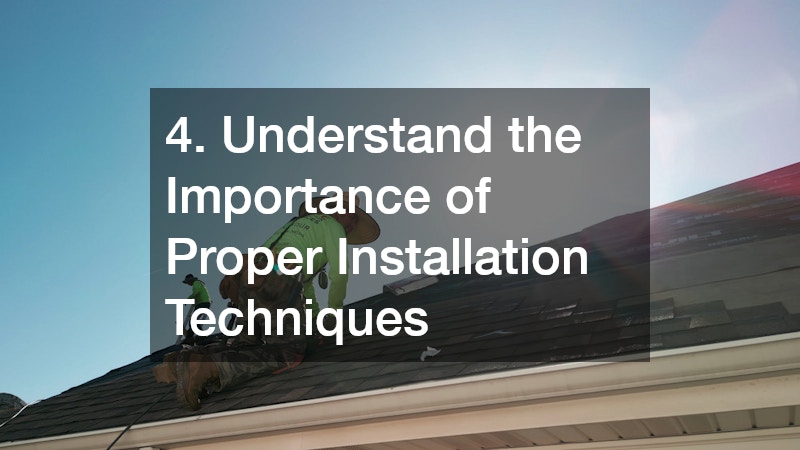
Even the highest-quality materials won’t perform well if they are installed incorrectly. Proper installation is the foundation of a durable roofing system, and cutting corners during this stage can lead to premature failure.
Experienced roofing contractors follow precise methods to ensure each component is securely placed and properly sealed. This includes underlayment installation, flashing placement, and correct shingle alignment.
Common installation mistakes to watch out for:
- Improper nailing techniques
- Inadequate sealing around vents and chimneys
- Poor alignment of shingles or panels
- Skipping essential waterproofing layers
- Failing to address ventilation requirements
A skilled residential roofer understands how each element works together to protect your home. Ensuring proper installation not only enhances durability but also helps maintain manufacturer warranties, which often require adherence to specific guidelines.
5. Plan for Proper Ventilation and Insulation
Ventilation and insulation are often overlooked aspects of roofing, yet they play a major role in extending the lifespan of your system. Without proper airflow, heat and moisture can build up in the attic, leading to structural damage and reduced efficiency.
Effective ventilation allows hot air to escape during warmer months while preventing condensation during colder seasons. This balance helps protect both your roofing materials and the underlying structure.
Key ventilation considerations include:
- Installing ridge vents and soffit vents for balanced airflow
- Ensuring insulation does not block ventilation pathways
- Monitoring attic temperature and humidity levels
- Addressing signs of poor airflow, such as mold or ice dams
A local roofer can assess your current setup and recommend improvements that enhance performance. Incorporating ventilation upgrades during a roof replacement is often more efficient and cost-effective than addressing them later.
6. Don’t Overlook Gutter System Integration
A roofing system isn’t complete without an effective drainage solution. Water must be directed away from your home to prevent damage to your roof, siding, and foundation. That’s where gutter installation plays a crucial role.
When planning a roof replacement, it’s wise to evaluate your existing gutters and determine whether they need to be repaired or replaced. Old or damaged gutters can undermine the effectiveness of your new roof.
Important gutter considerations include:
- Ensuring proper slope for efficient water flow
- Choosing durable materials resistant to rust and corrosion
- Installing gutter guards to reduce debris buildup
- Checking downspouts for proper drainage away from the foundation
A reputable roof replacement company will often recommend addressing gutters at the same time to ensure seamless integration. This approach minimizes future issues and protects your home from water-related damage.
7. Budget Smartly Without Cutting Corners

Budgeting for a roofing project requires more than simply comparing price quotes. While it’s tempting to choose the lowest bid, doing so can lead to compromised quality and higher costs down the line.
When reviewing estimates from a roof replacement company, pay close attention to what’s included. Some quotes may appear lower because they exclude essential components such as underlayment, flashing, or cleanup services.
Tips for smart budgeting:
- Request itemized estimates for transparency
- Compare materials and labor costs separately
- Factor in warranties and long-term value
- Set aside a contingency fund for unexpected issues
- Avoid making decisions based solely on price
Working with an experienced local roofing contractor can help you balance cost and quality effectively. Investing in a well-executed project upfront often results in fewer repairs and lower maintenance expenses over time.
8. Time Your Project Strategically
Timing can significantly impact the success and efficiency of your roofing project. Weather conditions, contractor availability, and material supply all play a role in determining the best time to move forward.
In many regions, spring and fall offer ideal conditions due to moderate temperatures and reduced risk of extreme weather. Scheduling during these periods can help ensure smoother installation and better results.
Consider these timing tips:
- Plan ahead to avoid peak-season scheduling delays
- Monitor weather forecasts leading up to installation
- Allow flexibility in case of unexpected conditions
- Coordinate with your local roofer for optimal timing
Proper planning not only improves installation quality but also helps minimize disruptions to your daily routine. Taking a strategic approach to timing can make the entire process more efficient and less stressful.
9. Upgrade Related Exterior Features for Better Protection
A roofing project presents an excellent opportunity to evaluate other exterior elements of your home. Addressing related upgrades at the same time can improve efficiency, aesthetics, and overall performance. Since crews, equipment, and materials are already on-site, it becomes more convenient and cost-effective to tackle multiple improvements in a single coordinated effort. This approach also allows contractors to ensure that all components work together as a unified system rather than as separate upgrades completed at different times.
For example, window replacement can enhance insulation and reduce energy loss, complementing the benefits of your new roof. Older windows are often a major source of drafts and temperature fluctuations, which can put additional strain on your heating and cooling systems. Upgrading them alongside your roofing project helps create a more energy-efficient building envelope. Similarly, updating siding or trim can create a cohesive and polished appearance while also addressing any hidden damage that may only become visible once roofing work begins.
Benefits of combining upgrades include:
- Improved energy efficiency and comfort: Addressing multiple exterior components at once helps eliminate weak points where air can escape or moisture can enter. This leads to more consistent indoor temperatures and reduced utility costs over time.
- Enhanced curb appeal and property value: A coordinated exterior update creates a more modern and well-maintained look. Matching colors, materials, and finishes across your roof, windows, and siding can significantly improve your home’s overall appearance and market appeal.
- Reduced labor costs through bundled projects: Combining projects often lowers overall labor expenses since contractors can complete multiple tasks during the same timeframe. It also reduces the need for repeated setup, teardown, and scheduling.
- Better overall protection against the elements: When exterior systems are upgraded together, they form a stronger, more cohesive barrier against weather conditions. This reduces the likelihood of water intrusion, drafts, and long-term structural issues.
Consulting a roof replacement company about additional improvements can help you identify opportunities to maximize your investment. They can assess how different exterior elements interact and recommend upgrades that will deliver the greatest long-term value. Coordinating multiple upgrades often leads to better long-term results by improving durability, efficiency, and the overall integrity of your home.
10. Establish a Long-Term Maintenance Plan
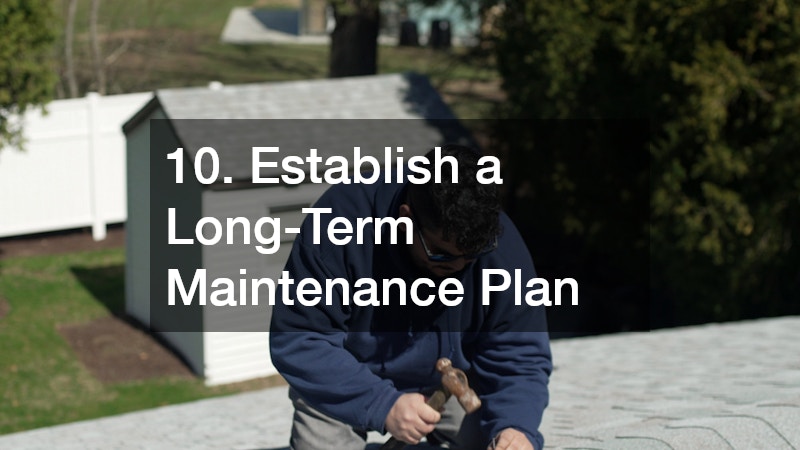
Once your new roof is installed, ongoing maintenance is key to preserving its performance and longevity. Even the best materials and workmanship require regular care to remain effective. Small issues—such as minor cracks, loose components, or debris buildup—can quickly develop into larger problems if left unaddressed, especially after seasonal weather changes.
Professional roofing contractors recommend routine inspections to identify and address minor issues before they escalate. Establishing a maintenance schedule can help you stay proactive and avoid costly repairs. Many homeowners find it helpful to align inspections with seasonal transitions, such as spring and fall, when weather conditions tend to reveal damage from extreme temperatures, storms, or heavy rainfall.
Essential maintenance practices include:
- Inspecting your roof at least twice a year: Conduct visual checks from the ground or with proper safety equipment to spot early warning signs like discoloration, sagging areas, or debris accumulation. Seasonal inspections help catch problems caused by winter storms or summer heat before they worsen.
- Cleaning gutters and removing debris regularly: Leaves, branches, and dirt can clog drainage systems, causing water to back up onto the roof. This standing water can weaken materials over time and increase the risk of leaks or structural damage.
- Checking for damaged or missing shingles: Shingles act as a protective barrier, so even a single missing or cracked piece can expose underlying layers to moisture. Replacing damaged sections promptly helps maintain the integrity of the entire roofing system.
- Monitoring for signs of leaks or water damage: Keep an eye on ceilings, attic spaces, and walls for stains, mold, or musty odors. These can indicate hidden leaks that may not be visible from the exterior but still require immediate attention.
- Scheduling professional inspections as needed: While DIY checks are helpful, trained experts can identify less obvious issues such as flashing failures, ventilation problems, or structural concerns. Periodic professional evaluations add an extra layer of protection.
Working with a trusted local roofer ensures you have expert support when issues arise. They can provide tailored recommendations based on your roof’s materials, age, and environmental exposure. Consistent maintenance not only extends the life of your roof but also protects your home and investment for years to come.
Conclusion
A well-planned roofing project goes beyond simply replacing old materials—it involves thoughtful decision-making at every stage. From initial evaluation and material selection to installation and ongoing maintenance, each step plays a role in ensuring long-term durability.
By taking the time to understand your options and work with qualified professionals, you can create a roofing system that stands up to the elements and provides reliable protection for years to come.