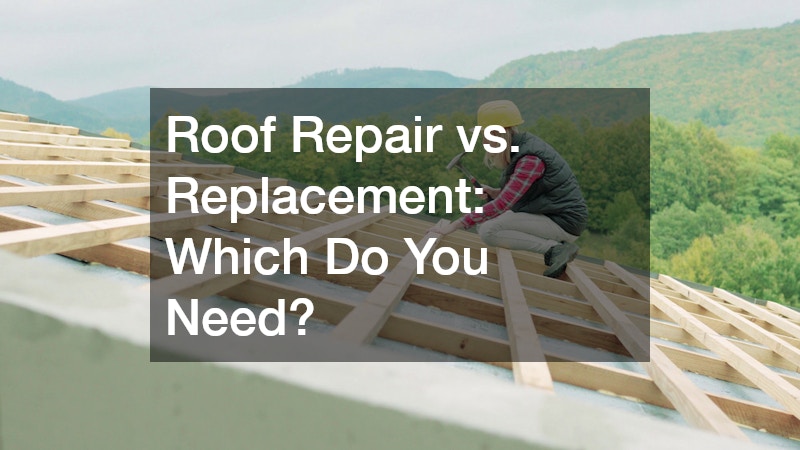
Your roof is one of the most important components of your home, protecting everything beneath it from weather, debris, and temperature extremes. But like any part of a house, it won’t last forever. When issues arise, homeowners often face a critical question: Should you get roof repair or a full replacement? The answer depends on several factors, including the age of the roof, the extent of damage, and your long-term plans.
Understanding the difference between repair and replacement—and when each makes sense—can save you time, money, and stress.
Understanding Roof Repairs
Roof repair is typically the more affordable and less invasive option. It focuses on fixing specific problem areas rather than addressing the entire structure.
Common repairs include replacing missing or damaged shingles, sealing leaks, fixing flashing, or addressing minor structural issues.
Repairs are ideal when the damage is localized. For example, if a storm knocks off a few shingles or causes a small leak, a targeted fix can restore your roof’s integrity without significant expense. In these cases, a professional roofer can often complete the work quickly, sometimes within a single day.
Another situation where repair makes sense is when your roof is relatively new. Most roofing materials have a lifespan. If your roof is still within that range and generally in good condition, repairing isolated damage is usually the smarter choice.
However, repairs are not always a long-term solution. Repeated fixes can add up over time, and patchwork solutions may not address underlying issues.
When Roof Replacement Is the Better Option
Roof replacement involves removing the existing roofing materials and installing a completely new system. While it requires a larger upfront investment, it can be more cost-effective in the long run—especially if your roof is nearing the end of its lifespan.
One of the clearest signs you need a replacement is age. If your roof is old and showing signs of wear, such as curling shingles, widespread granule loss, or sagging, repairs may only delay the inevitable. At that point, investing in a new roof can provide peace of mind and prevent ongoing maintenance costs.
Extensive damage is another key factor. If more than half your roof is compromised, whether due to storm damage, water intrusion, or structural issues, replacement is often more practical than repairing multiple sections. A new roof ensures uniform protection and eliminates the risk of hidden damage spreading.
Additionally, if you’re planning to sell your home, a new roof can significantly boost curb appeal and increase property value. Buyers are often wary of homes with older roofs, as they don’t want to inherit potential problems.
Key Factors to Consider
Deciding between repair and replacement isn’t always straightforward. Here are the most important factors to evaluate:
1. Age of the Roof
As mentioned earlier, age plays a major role. A newer roof with minor issues is a strong candidate for repair, while an older roof may be better replaced.
2. Extent of Damage
Small, isolated issues can usually be repaired. Widespread damage or recurring problems often indicate deeper issues that require replacement.
3. Cost Comparison
While repairs are cheaper upfront, frequent repairs can exceed the cost of a full replacement over time. It’s important to weigh short-term savings against long-term value.
4. Energy Efficiency
Older roofs may lack proper insulation or ventilation, leading to higher energy bills. A replacement gives you the opportunity to upgrade materials and improve efficiency.
5. Future Plans
If you plan to stay in your home for many years, a replacement may be a worthwhile investment. If you’re moving soon, a repair might be sufficient—unless a new roof would significantly increase resale value.
Warning Signs You Shouldn’t Ignore
Certain signs indicate that your roof needs immediate attention, whether repair or replacement:
- Persistent leaks or water stains on ceilings
- Missing, cracked, or curling shingles
- Mold or moss growth
- Sagging areas on the roof
- Granules accumulating in gutters
- Increased energy bills due to poor insulation
Ignoring these issues can lead to more extensive damage, including structural problems and interior water damage.
Making the Right Choice
Ultimately, the decision between roof repair and replacement comes down to balancing cost, condition, and long-term goals. Repairs are ideal for minor issues and newer roofs, while replacements are better suited for aging or heavily damaged systems.
Taking a proactive approach is key. Addressing problems early can prevent costly damage and extend the life of your roof. Whether you choose to repair or replace, investing in your roof is an investment in the safety, comfort, and value of your home.
If you’re unsure which path to take, don’t guess—consult a trusted roofing professional and make an informed decision that will protect your home for years to come.