A roof is one of the hardest-working parts of a home. It shields the interior from rain, wind, snow, heat, falling debris, and changing temperatures, often for decades at a time. Despite that constant exposure, many homeowners give the roof little attention until a leak appears or visible damage becomes difficult to ignore. By then, a minor issue may have already affected insulation, ceilings, walls, framing, or electrical components.
Extending a roof’s service life does not require constant repairs or expensive upgrades. It depends mainly on regular observation, prompt maintenance, proper ventilation, effective drainage, and professional attention when warning signs appear. Small defects are usually easier to correct before they allow water to enter the structure or weaken surrounding materials.
Homeowners should think of roof care as an ongoing part of protecting the entire property. A dependable maintenance routine can reduce emergency costs, improve energy performance, preserve curb appeal, and delay the need for a full replacement. The following steps explain how to identify developing problems, manage moisture, plan repairs, and work with qualified professionals so the roof continues performing as long as possible.
Inspect the Surface Before Minor Damage Spreads
Regular inspections are among the most effective ways to increase roof longevity. Homeowners should visually review the roof from the ground several times a year and after major storms. Binoculars can help reveal missing shingles, lifted edges, cracked materials, damaged ridge caps, sagging areas, or debris buildup without requiring anyone to climb onto the surface.
Different residential roofing materials show wear in different ways. Asphalt shingles may curl, blister, crack, or shed granules. Metal panels may develop loose fasteners, corrosion, damaged seams, or worn protective coatings. Tile can break or shift, while wood shakes may split, warp, or decay. Homeowners should become familiar with the expected appearance of their roof so changes are easier to recognize.
The attic can also provide valuable information. During daylight hours, homeowners can look for light entering through gaps, dark stains on decking, damp insulation, rusted nails, or a musty smell. After rainfall, checking the attic for moisture may reveal small leaks that have not yet reached the ceiling below.
Professional roofers can identify concerns that are difficult to see from the ground. They may inspect flashing, underlayment, sealants, penetrations, valleys, vents, and structural areas that require trained evaluation. A professional inspection is especially useful after hail, strong winds, falling branches, or severe temperature changes.
Homeowners should avoid walking on the roof unless they have proper training and safety equipment. Foot traffic can damage brittle shingles, crack tiles, and create fall hazards. Instead, they should document visible concerns with photographs and arrange an inspection when anything looks unusual.
Keeping written inspection records also helps track changes. Notes about storm dates, repair work, and problem locations can show whether damage is isolated or recurring. Catching small defects early protects surrounding materials and prevents a simple repair from turning into widespread structural work.
Keep Water Moving Away From Vulnerable Areas
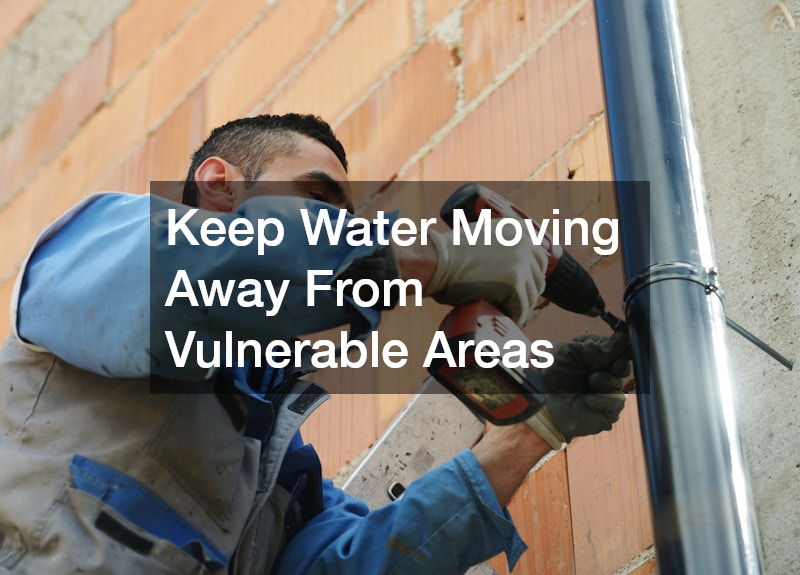
Water that cannot drain properly is one of the greatest threats to roof durability. Gutters, downspouts, valleys, and drainage channels are designed to move rainwater away from the roof and foundation. When these components become clogged, water can back up under shingles, overflow against fascia boards, or collect near vulnerable joints.
Homeowners should clean gutters at least twice a year, particularly after leaves have fallen and before periods of heavy rain. Properties surrounded by trees may require more frequent cleaning. Leaves, twigs, seed pods, roof granules, and nesting materials can quickly block narrow outlets. Gutter guards may reduce debris accumulation, but they still require occasional inspection and maintenance.
Downspouts should direct water several feet away from the foundation. Loose connections, crushed extensions, or poor grading can allow runoff to collect near basement walls or crawl spaces. Water that repeatedly flows over the same roof edge can also stain siding, rot wood, and damage landscaping.
Professional roofing services may include gutter evaluation, flashing repair, sealant replacement, and correction of drainage problems. Flashing is especially important around chimneys, skylights, roof intersections, plumbing vents, and wall connections. These thin pieces of metal create barriers at locations where water is most likely to enter.
A qualified roofing company can determine whether drainage issues result from clogged components, improper roof pitch, undersized gutters, installation errors, or deteriorated flashing. Homeowners should not rely on caulk alone to solve recurring leaks. Sealant may provide temporary protection, but it cannot replace missing flashing or correct a poorly designed drainage path.
Tree maintenance also supports proper drainage. Branches that hang over the roof drop leaves, needles, fruit, and sap onto the surface. They may scrape protective materials during wind or break under the weight of snow. Trimming branches back reduces debris accumulation and improves airflow, helping the roof dry faster after storms.
Water should move off the roof quickly and predictably. When gutters remain clear, flashing stays secure, and runoff is directed away from the structure, the roofing materials experience less moisture exposure and are more likely to reach their expected service life.
Stop Moisture Problems Before They Affect the Interior

Even a small roof leak can create significant damage when it remains hidden. Water may travel along rafters, pipes, wiring, or insulation before becoming visible inside a room. A ceiling stain may appear far from the actual entry point, making the source difficult to identify without a thorough inspection.
Common interior warning signs include peeling paint, bubbling drywall, soft ceiling areas, discolored trim, damp insulation, and persistent musty odors. Homeowners may also notice condensation on windows, rust around vents, or dark spots in the attic. These conditions can indicate a roof leak, ventilation problem, plumbing issue, or combination of moisture sources.
When damp materials remain wet, mold remediation may become necessary. Professional specialists evaluate the affected area, identify the moisture source, contain contaminated materials, and use appropriate cleaning or disposal methods. Correcting the roof defect must be part of the process. Treating visible growth without stopping the water intrusion allows the problem to return.
Mold removal should not be treated as a simple cosmetic task. Scrubbing a stained surface may disturb spores or hide damage beneath paint, insulation, or wall coverings. Porous materials such as drywall, ceiling tile, and insulation may need replacement if contamination is extensive. The affected area must also be dried fully before repairs are completed.
Proper attic ventilation reduces moisture accumulation and temperature extremes. Intake vents near the eaves and exhaust vents higher on the roof allow air to circulate. When ventilation is blocked or poorly balanced, warm indoor air may condense beneath the roof deck, leading to damp wood, damaged insulation, and premature material deterioration.
Bathroom fans, kitchen exhaust systems, and clothes dryers should vent outdoors rather than into the attic. Homeowners should also check for gaps around ducts and fixtures that allow humid air to enter hidden spaces. In cold climates, poor ventilation and insulation can contribute to ice dams, which force melting snow beneath roofing materials.
Moisture problems become more expensive when ignored. Acting quickly protects the roof structure, interior finishes, indoor air quality, and personal belongings. The best solution addresses both the visible damage and the underlying condition that allowed moisture to enter or remain trapped.
Plan Repairs and Replacement Before an Emergency
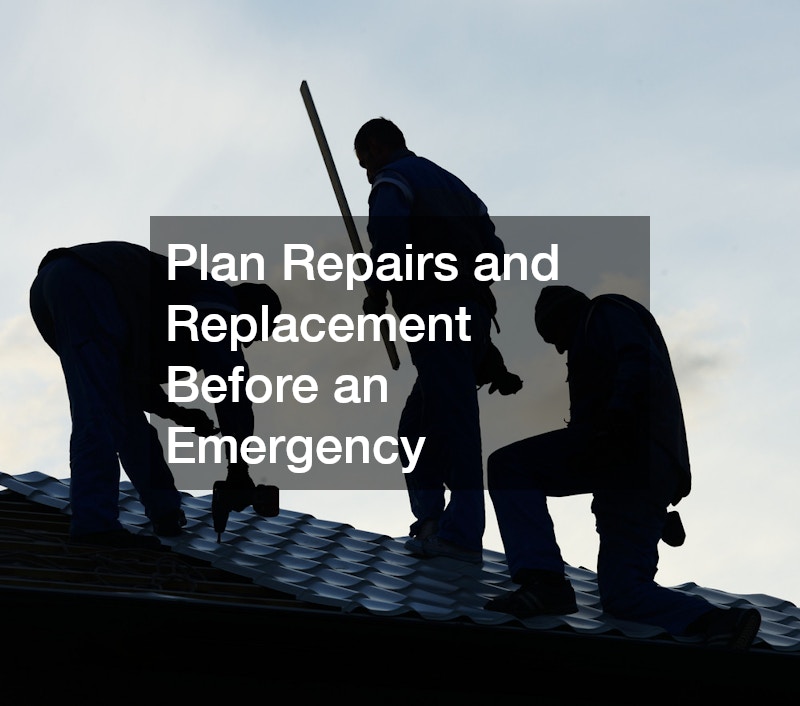
Roof decisions are easier when homeowners have time to compare options rather than responding to an active leak. Regular inspections provide an opportunity to plan repairs, set aside funds, and evaluate the remaining service life of the existing materials. Waiting until a major failure may limit choices and increase the risk of interior damage.
Detailed roof estimates should explain the condition of the roof, the recommended work, the materials involved, labor costs, disposal charges, warranty terms, and possible additional expenses. Homeowners should ask whether the proposal covers damaged decking, flashing, ventilation, underlayment, permits, and cleanup. A low total may not include all the work required for a complete repair.
When damage is limited to a small area and the surrounding materials remain in good condition, repair may be practical. Missing shingles, minor flashing defects, small punctures, and isolated leaks can often be corrected without replacing the entire surface. However, repeated leaks, widespread granule loss, sagging, extensive storm damage, or advanced age may indicate that repair will only postpone a larger project.
Roof installations should be planned around the home’s structure, climate, ventilation needs, and long-term maintenance expectations. Material selection should consider more than appearance. Weight, wind resistance, fire rating, energy performance, water shedding, and expected lifespan all affect suitability.
Homeowners should also review whether the existing ventilation and insulation are adequate. Installing new surface materials over unresolved attic problems can shorten the life of the replacement. Decking should be inspected for rot, delamination, gaps, or structural weakness before new materials are applied.
Timing can influence project efficiency. Scheduling work before severe weather reduces the chance of emergency damage and gives homeowners more time to review contracts. They should also prepare the property by moving vehicles, protecting items in the attic, trimming landscaping, and discussing cleanup procedures.
A well-planned project addresses the entire roof system rather than only the visible surface. When homeowners understand the scope, compare detailed proposals, and budget for potential hidden damage, they are more likely to receive durable results and avoid costly surprises.
Choose Professionals Who Prioritize Long-Term Performance
The quality of workmanship has a major effect on how long a roof lasts. Even premium materials can fail early when flashing is installed incorrectly, fasteners are misplaced, ventilation is inadequate, or water barriers are omitted. Homeowners should therefore evaluate contractors carefully rather than choosing solely by price.
Renovation contractors may be involved when roof damage affects several areas of the property, such as ceilings, insulation, framing, siding, or interior finishes. Coordinating the work can help ensure that structural repairs, moisture control, and cosmetic restoration are completed in the proper order. However, homeowners should confirm that each professional has experience with the specific work assigned.
A roofing contractor should carry appropriate licensing where required, general liability insurance, and workers’ compensation coverage. Homeowners should request current documentation rather than relying on verbal assurances. They should also ask for local references, examples of recent projects, and information about manufacturer certifications.
The contract should clearly state the materials, colors, installation methods, payment schedule, start date, estimated completion date, cleanup responsibilities, and warranty coverage. Vague descriptions such as “repair roof as needed” can lead to misunderstandings. Every agreed task should appear in writing before work begins.
Homeowners should ask who will supervise the project and whether subcontractors will be used. They should also understand how unexpected damage will be documented and approved. Reputable professionals explain changes before adding costs and provide photographs or other evidence when hidden problems are discovered.
Warranty terms deserve careful review. Material warranties and workmanship warranties cover different issues and may have separate requirements. Some manufacturer warranties depend on approved installation methods, ventilation standards, or certified contractors. Homeowners should keep warranty documents, invoices, inspection reports, and product information in a safe place.
Communication is another sign of professionalism. Contractors should answer questions clearly, explain why work is necessary, and avoid pressuring homeowners into immediate decisions. A dependable professional focuses on correct installation and long-term performance rather than temporary fixes.
Hiring carefully may require more effort at the beginning, but strong workmanship protects the home’s structure and reduces the likelihood of repeated repairs. The right professional becomes a valuable resource for future inspections, maintenance, storm evaluations, and eventual replacement planning.
Make Roof Care Part of Your Annual Home Routine

A roof lasts longer when maintenance becomes a regular habit rather than a response to visible damage. Homeowners should create a simple annual schedule that includes visual checks, gutter cleaning, attic reviews, tree trimming, and professional inspections when needed. Seasonal reminders can help ensure that important tasks are not forgotten.
After storms, homeowners should walk around the property and look for fallen branches, displaced materials, damaged gutters, or debris on the roof. Inside, they should watch for stains, odors, peeling finishes, and changes in attic conditions. Any new symptom should be documented and investigated promptly.
Good roof care also includes managing the surrounding property. Trees should be kept at a safe distance, drainage should direct water away from the house, and attic vents should remain unobstructed. Household exhaust systems should release moisture outdoors, while insulation should be maintained without blocking airflow.
Records make long-term planning easier. Homeowners should save inspection notes, repair invoices, photographs, warranties, and dates of major weather events. These details help professionals evaluate recurring concerns and allow owners to estimate when larger work may be necessary.
The most important principle is to act before damage spreads. A loose component, minor leak, clogged drainage path, or ventilation problem can often be corrected quickly when discovered early. Delaying attention allows water, heat, and weather exposure to affect a much larger area.
Consistent maintenance protects more than the materials overhead. It safeguards insulation, framing, electrical systems, interior finishes, and the overall value of the property. By combining regular observation with timely professional care, homeowners can reduce unexpected failures and help the roof provide dependable protection for many years.