A home’s roof is one of its most important protective systems, serving as the first line of defense against weather, temperature changes, and environmental wear. While it often goes unnoticed during day-to-day living, its condition plays a major role in maintaining comfort, energy efficiency, and structural integrity. A well-maintained roof helps prevent moisture intrusion, reduces the risk of interior damage, and supports the overall longevity of the home. Because of this, roofing decisions are among the most important investments a homeowner can make.
Over time, exposure to sun, wind, rain, and seasonal temperature shifts naturally causes roofing materials to deteriorate. Even high-quality systems will eventually require attention, whether in the form of minor repairs, inspections, or full replacements. Small issues such as loose materials or subtle leaks can quickly escalate if not addressed early, often leading to more extensive and costly damage inside the home. This makes proactive care a key part of responsible homeownership.
Another important aspect of roofing is understanding the balance between aesthetics and performance. A roof is not only functional but also contributes significantly to curb appeal and overall property value. The style, material, and condition of a roof can influence how a home is perceived, making it an essential component of exterior design. Homeowners today are increasingly aware of this balance and are more likely to invest in roofing solutions that offer both durability and visual appeal.
In addition, roofing projects often require specialized knowledge and tools that go beyond general home maintenance. From structural evaluation to material selection and installation techniques, the process involves multiple layers of expertise. For this reason, many homeowners choose to work with experienced professionals who can ensure that each stage of the project is completed safely and correctly. This approach not only improves the quality of the outcome but also reduces the risk of long-term issues.
As housing styles evolve and energy efficiency becomes a greater priority, roofing systems continue to advance in both design and performance. Modern materials and installation methods offer improved durability, better insulation, and enhanced weather resistance. These innovations give homeowners more options than ever before when it comes to protecting their homes and managing long-term maintenance.
The following sections explore key aspects of roofing care, from selecting the right professionals to understanding structural components and planning major upgrades. Each area plays a critical role in maintaining a strong, reliable roofing system that supports the home as a whole.
Finding the Right Professional for Your Roofing Needs
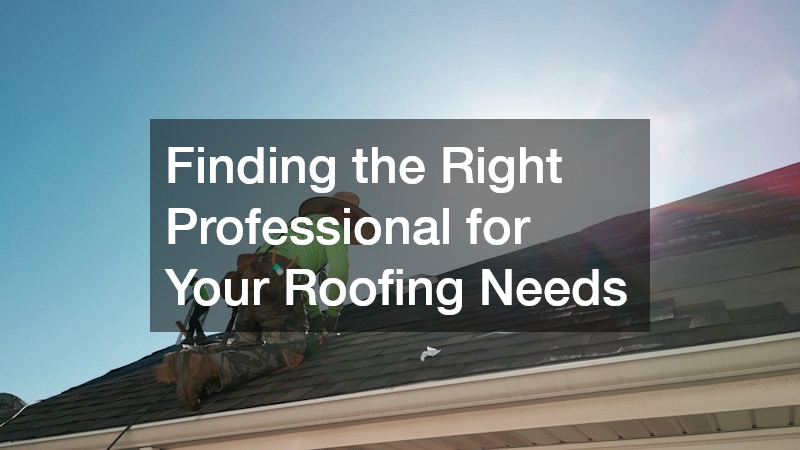
Choosing the right professional for roofing work is one of the most important decisions a homeowner can make. A skilled local roofing contractor brings knowledge of regional weather conditions, building codes, and material performance, which helps ensure that the roof is built or repaired to last. Local experience often means faster response times and a better understanding of common issues in the area, which can be especially valuable during emergency repairs or seasonal maintenance.
Beyond technical skill, communication and reliability are also key factors. A trustworthy professional should provide clear estimates, explain the scope of work, and offer guidance on material options without unnecessary complexity. Homeowners benefit from working with someone who can translate technical roofing details into practical recommendations that support long-term home protection.
Working with Nearby Roofing Professionals for Home Projects
When roofing needs arise, many homeowners prefer to work with a local roofer who can provide accessible and timely service. Proximity often allows for quicker inspections and faster project scheduling, which is especially important when dealing with leaks or storm damage. Local professionals are also more familiar with neighborhood housing styles, which helps them match repairs or installations to existing architectural designs.
Working with nearby experts also creates a sense of accountability and ongoing support. Because they operate within the same community, local roofers often rely on reputation and word-of-mouth referrals, encouraging a higher level of care and consistency in their work. This makes them a practical choice for both small repairs and larger roofing projects.
Understanding Expert Roofing Knowledge and Experience
Roofing systems involve more complexity than many homeowners realize, which is why experience matters. A roof specialist brings advanced understanding of materials, installation techniques, and structural behavior under different weather conditions. This expertise helps ensure that roofing systems are designed to perform efficiently over time, rather than just meeting basic installation standards.
Experienced professionals can also identify early signs of potential issues that might not be visible to the untrained eye. This includes subtle shifts in material alignment, ventilation concerns, or early-stage moisture intrusion. Addressing these issues early can prevent more extensive damage and extend the life of the roof significantly.
Evaluating the Structural Layer Beneath Your Roof Surface
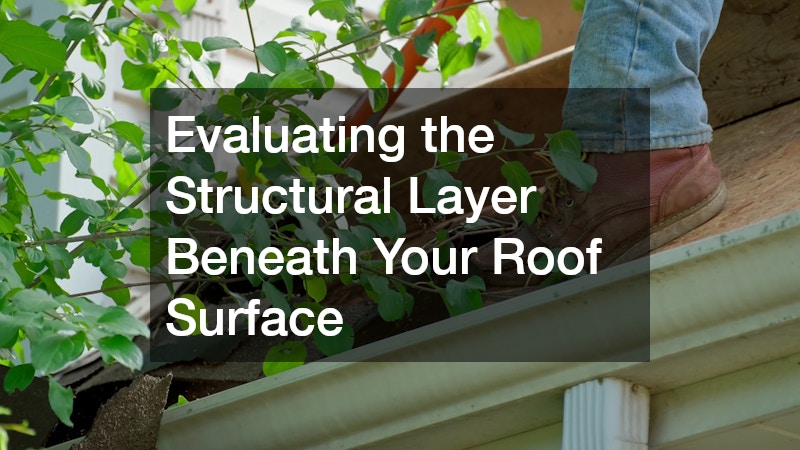
The visible outer layer of a roof is only part of the system. Beneath it lies the structural foundation that supports everything above. Roof decking plays a critical role in maintaining stability and distributing weight evenly across the roof frame. When this layer is damaged or weakened, it can compromise the entire roofing system.
Moisture is one of the most common threats to decking integrity, often entering through small leaks or prolonged exposure to humidity. Over time, this can lead to warping, rot, or soft spots that reduce the roof’s ability to perform properly. Ensuring that the underlying structure remains solid is essential for long-term durability and safety.
Managing Full Roof Overhaul Projects for Older Homes
Older homes often require more extensive roofing work due to years of wear and evolving building standards. A reroofing contractor helps manage full-scale projects that involve replacing multiple components of the roofing system rather than simply patching isolated issues. This approach ensures that the entire structure meets current performance and safety expectations.
In many cases, older roofing systems may not comply with the latest regulations or technology advancements. Therefore, engaging in a comprehensive reroofing project not only addresses existing faults but also aligns the property with modern safety and efficiency standards, potentially increasing its resale value.
These projects typically involve careful planning, including material selection, structural assessment, and removal of outdated layers. While more involved than simple repairs, a full overhaul can significantly extend the life of the home and improve its overall efficiency.
Choosing the right materials can also impact the home’s environmental footprint. Opting for sustainable roofing options can lower heating and cooling costs, contributing positively to both the environment and household expenses.
Addressing Common Issues That Affect Roof Performance
Roofing systems can develop a variety of issues over time, many of which begin as small, easily overlooked problems. Roof repairs are often needed to address missing materials, minor leaks, or damage caused by weather events. Timely attention to these issues helps prevent more serious structural deterioration.
Even minor symptoms such as discoloration or curling shingles can be early indicators of deeper problems. Proactively addressing these concerns can prevent expensive repairs in the future and safeguard the home’s interior from water damage or mold growth.
Regular maintenance is key to reducing repair frequency. By identifying weak points early and addressing them promptly, homeowners can avoid larger disruptions and maintain consistent roof performance throughout the year.
Implementing a routine maintenance schedule not only extends the roof’s lifespan but also enhances its aesthetic appeal. This approach can add to the home’s marketability by demonstrating the owner’s commitment to upkeep and care.
Exploring Durable and Traditional Asphalt Roofing Options
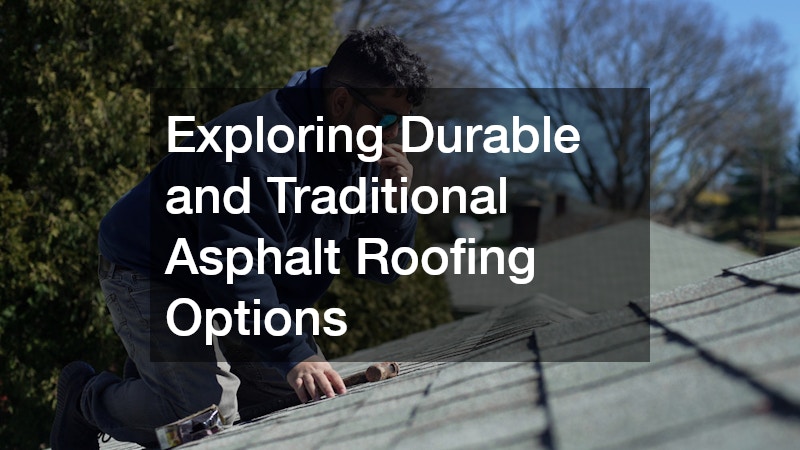
Among the most widely used roofing materials, shingled roofs remain popular due to their balance of affordability, durability, and design flexibility. They are available in a variety of styles and colors, making them suitable for many different home designs. Their layered structure also provides reliable protection against rain and wind.
The versatility of asphalt shingles enables homeowners to tailor their roof’s appearance to suit their personal taste and architectural style, further enhancing the property’s curb appeal while maintaining robust weather resistance.
Modern advancements in shingle materials have improved their lifespan and resistance to environmental wear. This makes them a practical choice for homeowners seeking a dependable roofing solution without excessive maintenance requirements.
These enhancements not only bolster the roof’s defensive capabilities but also contribute to potential energy savings by improving insulation properties, creating a win-win scenario for cost-conscious and environmentally-minded homeowners alike.
Assessing Roof Condition for Safety and Longevity
Regular evaluation is essential for maintaining a safe and functional roof. A residential roof inspection provides a detailed look at the roof’s condition, identifying potential issues before they become major problems. This includes checking for leaks, structural weaknesses, and material deterioration.
An inspection can highlight areas where insulation or ventilation is inadequate, guiding homeowners to make necessary adjustments that contribute to indoor comfort and energy efficiency, ultimately supporting healthier living conditions.
Routine inspections also help homeowners plan for future maintenance more effectively. By understanding the current state of the roof, they can make informed decisions about repairs or upgrades, ultimately extending the lifespan of the system.
This proactive strategy not only secures the home’s structural integrity but also facilitates budgeting for potential roof-related expenses, creating a more predictable fiscal outlook for homeowners.
Planning a Full Roof Upgrade or System Replacement
At some point, every roof reaches the end of its functional lifespan. When this happens, a roof replacement becomes necessary to restore full protection and performance. This process involves removing the existing system and installing a new one designed to meet current standards.
When planning such a transition, homeowners can consider modern materials and design innovations that provide long-lasting results, improving the building’s overall energy efficiency and thermal comfort while enhancing its aesthetic appeal.
Although it is a significant investment, replacement offers long-term benefits such as improved energy efficiency, better insulation, and enhanced structural reliability. It also provides an opportunity to upgrade materials and improve overall home value.
Additionally, modern roofing systems can incorporate features such as solar panels or other green technologies, helping homeowners reduce their carbon footprint while potentially qualifying for government incentives or rebates.
General Support for Roofing Installation and Maintenance Work
Roofing projects require a range of skills, from installation to ongoing maintenance. Professional roofers provide the expertise needed to ensure that each stage of the process is completed correctly. Their work helps maintain system integrity and ensures that the roof continues to perform effectively over time.
Ongoing support is just as important as initial installation. Regular maintenance and timely repairs help extend the lifespan of the roof and reduce the likelihood of unexpected issues. This consistent care is key to protecting the home as a whole.
A strong and well-maintained roof is essential to the overall health and stability of any home. It protects against weather, supports energy efficiency, and preserves the structural integrity of the entire building. Throughout this guide, each aspect of roofing has highlighted how interconnected the system is, from the visible outer materials to the hidden structural layers beneath. When all components work together effectively, the result is a durable and reliable shield that safeguards the home year-round.
One of the most important takeaways is the value of proactive care. Waiting until problems become visible often leads to more extensive and costly repairs. Regular inspections, timely maintenance, and early intervention all play a crucial role in extending the life of a roofing system. Homeowners who stay ahead of potential issues are more likely to avoid unexpected damage and maintain consistent performance over time.
Another key factor is the importance of working with knowledgeable professionals. Roofing is a specialized field that requires technical skill, experience, and attention to detail. Whether it involves minor repairs or full replacements, professional support ensures that work is completed safely and to a high standard. This not only improves immediate results but also contributes to long-term reliability.
Planning also plays a major role in successful roofing management. Understanding when to repair, when to maintain, and when to replace allows homeowners to make informed decisions that align with both budget and long-term goals. A thoughtful approach helps balance cost with performance, ensuring that investments in roofing deliver lasting value.
Ultimately, roofing is more than just a structural necessity—it is a long-term commitment to protecting and preserving a home. With the right care, materials, and professional support, homeowners can ensure their roofs remain strong, efficient, and dependable for many years.