Key Takeaways
- Inspect the metal roof for leaks, rust, loose fasteners, damaged panels, and other issues before painting.
- Choose a coating specifically designed for metal roofing and make sure it is compatible with the existing surface.
- Thorough cleaning and proper surface preparation are essential for helping the new coating adhere and last.
- Treat rust and exposed metal before applying paint, and use primer when recommended by the coating manufacturer.
- Weather conditions, including temperature, humidity, rain, and wind, can affect how the coating applies and cures.
- Roof painting can be dangerous, so use proper safety equipment or hire a qualified professional when the roof is difficult to access.
- Regular inspections and maintenance after painting can help protect the finish and extend the roof’s useful life.
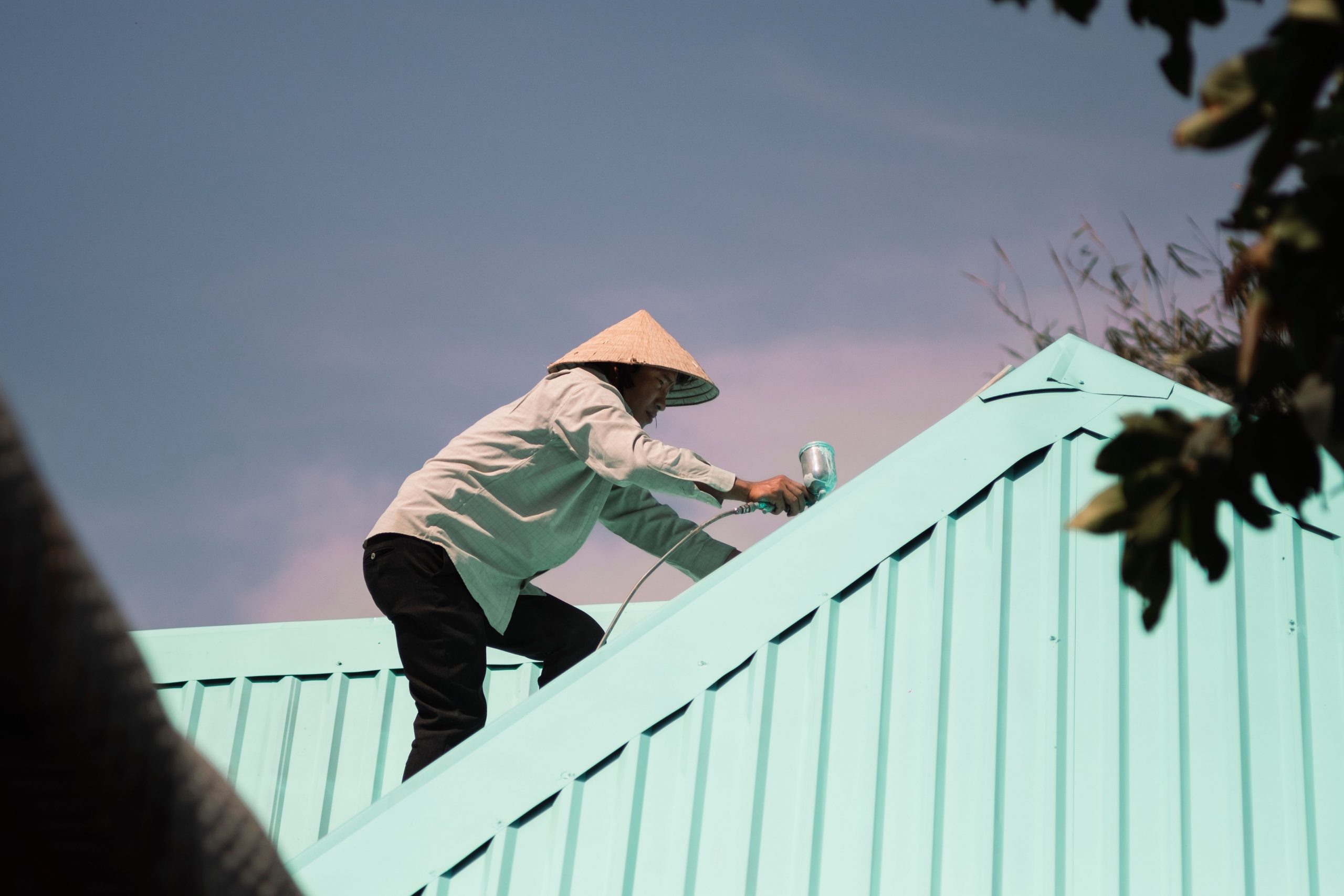
A metal roof can last for decades when it is properly installed and maintained. However, even a durable metal roof can eventually lose its color, develop surface wear, or start looking faded and weathered. Painting the roof can be an affordable way to refresh its appearance while adding another layer of protection against the elements.
Painting a metal roof is not as simple as applying exterior paint to a wall. Metal surfaces require careful preparation, the right coating, proper weather conditions, and safe working practices. Using the wrong product or skipping important preparation steps can cause peeling, bubbling, rust, or premature coating failure.
Before you decide to paint your metal roof, it is important to understand what the project involves. Knowing what to look for and how to prepare can help you get better results and avoid unnecessary costs.
Here are 10 important things to know before painting a metal roof.
1. Inspect the Roof Before Painting
Painting should never be used to hide existing roof problems. Before purchasing paint or scheduling the project, inspect the roof carefully.
Look for signs of damage, corrosion, loose fasteners, cracked sealant, damaged flashing, and areas where panels may have shifted. Pay close attention to places where water could enter the home.
This is also a good time for checking your roof for problems that may require repair before any coating is applied. A roof with leaks or significant structural damage should be repaired first.
Common issues to look for include:
- Rust or corrosion
- Loose or missing screws
- Damaged panels
- Cracked or deteriorated sealant
- Damaged flashing
- Standing water
- Peeling existing coatings
- Signs of leaks inside the attic
If you’re unsure about the condition of your roof, have a qualified roofing professional inspect it.
Painting a damaged roof may only delay necessary repairs and could make future maintenance more difficult.
2. Determine Whether Your Roof Can Be Painted
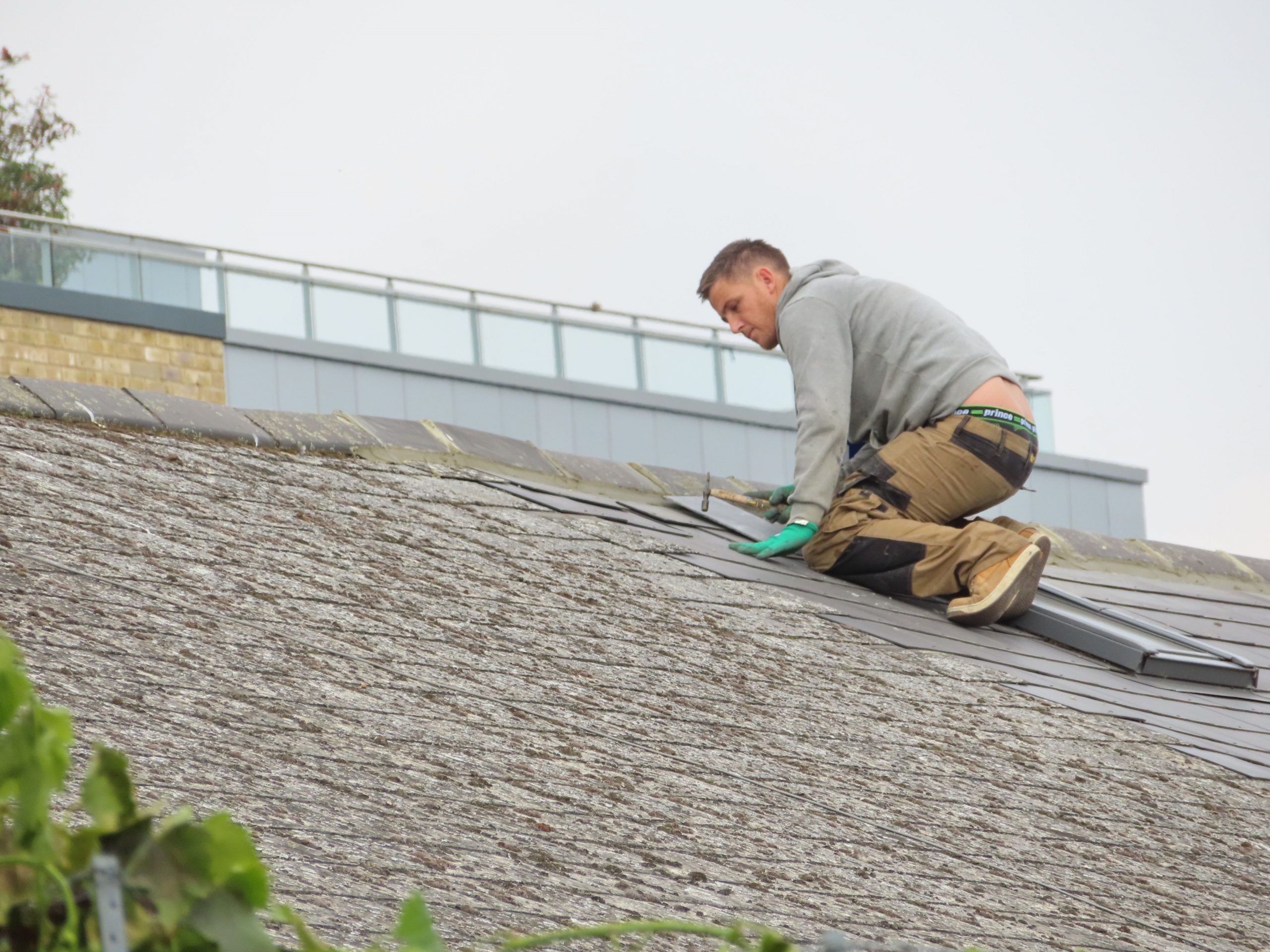
Not every metal roof needs paint, and not every metal roofing system is a good candidate for repainting.
The roof’s age, material, existing finish, and overall condition all matter.
Some newer metal roofs have factory-applied finishes designed to remain durable for many years. Repainting too soon may not provide much benefit.
Older roofs may benefit from a new coating if the underlying metal is still in good condition.
Common types of metal roofing include:
- Steel
- Aluminum
- Galvanized steel
- Galvalume
- Corrugated metal
- Standing-seam metal
Each material can have different preparation and coating requirements.
Before starting, check the manufacturer’s recommendations if they are available. If you don’t know what type of metal roofing you have, a roofing professional can help identify it.
3. Choose the Right Roof Coating
One of the most important decisions is selecting a coating designed specifically for metal roofing.
Standard exterior house paint may not be appropriate for a roof. Roofing materials experience intense sunlight, temperature changes, rain, wind, and moisture. A coating needs to withstand these conditions.
Look for products specifically labeled for metal roofs or exterior metal roofing applications.
Depending on the roof and product, you may encounter:
- Acrylic coatings
- Elastomeric coatings
- Oil-based products
- Specialized metal roof paints
Always follow the manufacturer’s instructions for compatibility, application, drying time, and primer requirements.
The cheapest paint is not necessarily the best choice. A high-quality coating that lasts longer may provide better value over time.
4. Clean the Roof Thoroughly
A clean surface is essential for good paint adhesion.
Metal roofs collect dirt, dust, pollen, leaves, algae, mildew, and other debris. If these contaminants remain on the surface, the coating may not bond properly.
Before painting, remove loose debris and clean the roof according to the coating manufacturer’s instructions.
Depending on the roof and its condition, cleaning may involve:
- Removing leaves and debris
- Washing away dirt
- Removing mildew or algae
- Cleaning rusted areas
- Rinsing the surface thoroughly
Avoid using aggressive cleaning methods that could damage the existing finish or roofing panels.
Pressure washing can be useful in some situations, but excessive pressure can damage coatings, force water under panels, or affect seals. If you’re uncertain about the proper method, ask a professional.
The roof should be completely clean and properly dry before painting begins.
5. Rust Must Be Addressed First
Rust is one of the biggest concerns when painting a metal roof.
If rust is simply painted over without proper treatment, it can continue spreading beneath the new coating. This can cause bubbling, peeling, and additional deterioration.
Small areas of surface rust may be treatable through cleaning, sanding, and the use of an appropriate rust-inhibiting primer.
More extensive corrosion may require professional repair or replacement of affected panels.
Before painting:
- Identify rusty areas.
- Remove loose or flaking rust.
- Clean the affected surface.
- Apply a compatible primer if required.
- Allow the primer to cure according to its instructions.
Don’t assume that a thick layer of paint will stop serious corrosion.
If the metal has become thin, deeply pitted, or structurally compromised, painting may not be enough.
6. Primer May Be Necessary
Primer helps create a suitable surface for the final coating.
Whether you need primer depends on the type of metal, the existing finish, the condition of the roof, and the paint system you’re using.
Primer can be especially important when:
- Bare metal is exposed
- Rust has been removed
- The existing finish is heavily weathered
- The manufacturer requires it
- You’re changing from one coating type to another
Always make sure the primer and topcoat are compatible.
Using products from the same coating system can make the process easier because they are designed to work together.
Skipping primer when it is required can lead to poor adhesion and a shorter coating life.
7. Weather Conditions Matter
Painting a roof in poor weather can ruin an otherwise well-planned project.
Temperature, humidity, wind, and rain can all affect how paint spreads and cures.
Avoid painting immediately before rain or during extremely humid conditions unless the product specifically allows it.
Direct sunlight can also cause the surface to become extremely hot, which may affect application.
Ideal conditions vary by product, so always check the label.
You should also avoid painting when strong winds are expected. Wind can make application difficult and may carry debris onto wet paint.
A few good weather days can make a major difference in the final result.
8. Safety Should Come Before the Paint
A metal roof can be extremely slippery, especially when wet, dusty, or covered with cleaning products.
Working at height also creates serious fall risks.
Never treat roof painting as a casual weekend project if you don’t have the proper equipment or experience.
Important safety measures may include:
- Proper fall protection
- Stable ladders
- Appropriate footwear
- Safety harnesses when required
- Eye protection
- Gloves
- Respiratory protection when appropriate
- Safe access to the roof
Never work on a roof during rain, high winds, or other unsafe conditions.
If the roof is steep, high, difficult to access, or otherwise hazardous, hiring a professional is often the safer choice.
The money saved by doing the work yourself is not worth risking a serious injury.
9. Consider the Roof’s Color and Heat
The color you choose can affect more than appearance.
A roof’s color can influence how much solar heat it absorbs. Darker colors generally absorb more sunlight, while lighter colors may reflect more solar energy.
This can be important in areas with hot summers.
Before choosing a new color, consider:
- Your home’s exterior colors
- Neighborhood appearance
- Local climate
- Existing siding and trim
- Long-term maintenance
- Energy considerations
A color that looks great in a paint sample may appear different when applied across a large roof.
If possible, look at larger samples in natural light before making your final choice.
10. Know When to Hire a Professional
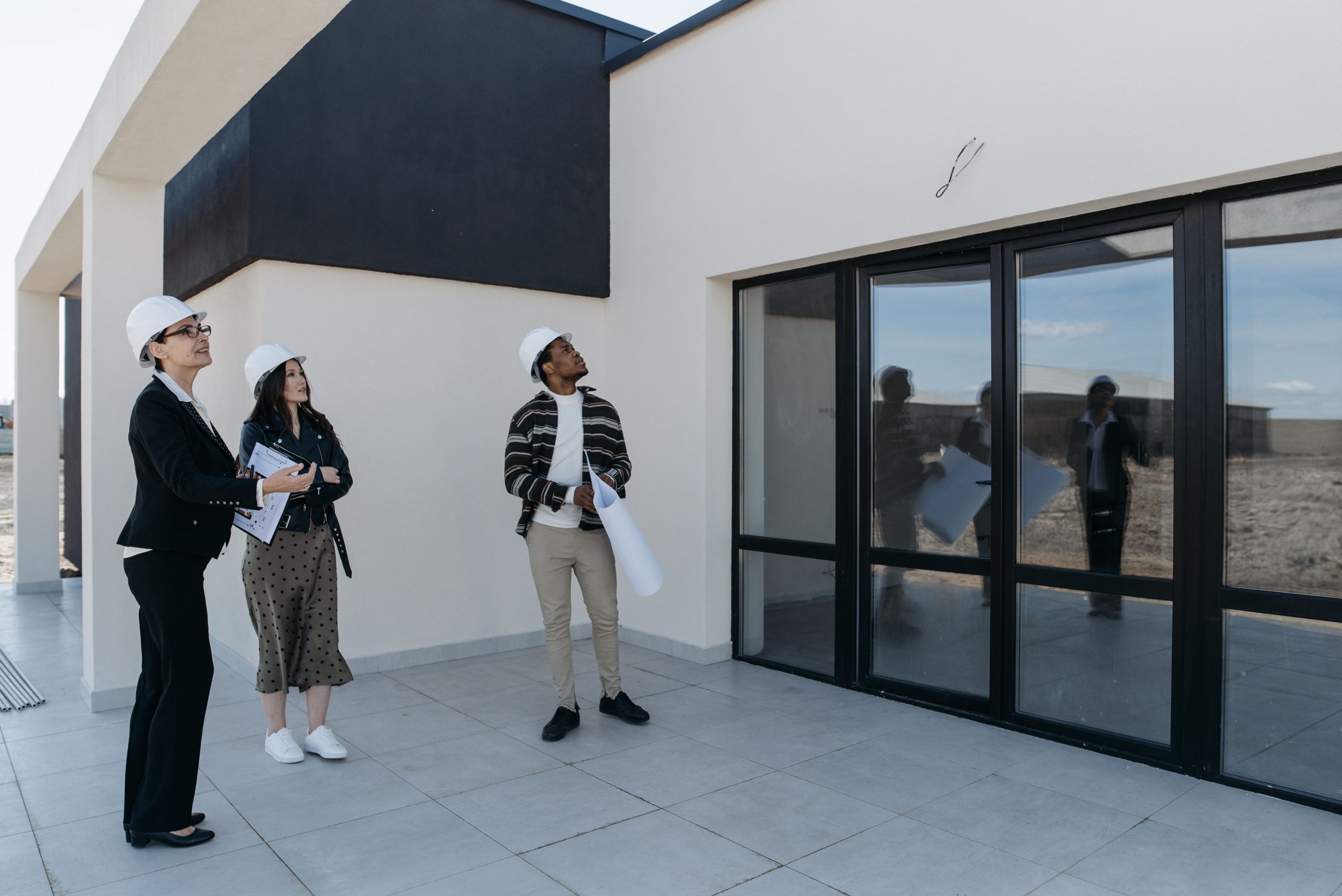
Painting a metal roof involves more than applying a roller or sprayer.
The project may require inspection, cleaning, rust treatment, repairs, priming, coating, and safe roof access.
Hiring a professional can make sense when the roof is large, steep, difficult to access, badly weathered, or showing signs of damage.
When comparing contractors, focus on experience and quality rather than choosing the lowest price.
Choosing quality home services means looking for professionals who can explain the work clearly, provide a detailed estimate, use appropriate materials, and demonstrate experience with metal roofing.
Ask potential contractors:
- How much experience do you have with metal roofs?
- What preparation will you perform?
- What coating do you recommend?
- Will primer be required?
- How will you address rust?
- How many coats will you apply?
- What warranty is included?
- Are you insured?
A professional should be willing to explain the process rather than simply provide a price.
Prepare the Roof Before Painting
Preparation often takes more time than the actual painting.
Before the first coat is applied, make sure all necessary repairs have been completed.
Check:
- Roofing panels
- Fasteners
- Flashing
- Roof edges
- Vents
- Sealants
- Gutters
- Downspouts
Replace damaged fasteners and deteriorated sealant as needed.
Gutters and downspouts should also be clear so rainwater can drain properly.
A clean and properly repaired roof provides a much better foundation for a new coating.
Don’t Paint Over Loose or Peeling Coatings
If your roof has an existing paint or coating that is peeling, simply covering it with another layer may cause the new finish to fail.
Loose material needs to be removed or properly prepared according to the coating manufacturer’s recommendations.
A new coating is only as strong as the surface beneath it.
Take time to identify areas where the old finish is:
- Peeling
- Bubbling
- Cracking
- Flaking
- Separating from the metal
These areas may require additional preparation.
Allow Enough Time for the Project
Don’t rush the process.
A proper roof painting project may take several stages:
- Inspection
- Repairs
- Cleaning
- Drying
- Rust treatment
- Priming
- First coat
- Additional coats
- Final inspection
Trying to complete every step in one day may result in shortcuts.
The coating also needs enough time to dry and cure between applications.
Follow the product instructions rather than assuming that the surface is ready simply because it feels dry.
Maintain Your Newly Painted Roof
Painting your roof doesn’t eliminate the need for regular maintenance.
Inspect the roof periodically for signs of:
- Peeling
- Cracking
- Rust
- Loose fasteners
- Damaged sealant
- Debris buildup
- Standing water
Keep gutters clean and remove branches or leaves that collect on the roof.
Trees should also be trimmed when necessary to prevent branches from scraping against the roofing material.
Regular inspections can help you catch small issues before they become expensive problems.
Is Painting a Metal Roof Worth It?
For a metal roof in good condition, painting can be a practical way to improve appearance and extend the useful life of the existing finish.
However, the value depends on the roof’s age and condition.
Painting may be worthwhile when:
- The roof is structurally sound.
- The finish is faded.
- Surface rust is manageable.
- You want to update the color.
- The existing coating is worn but repairable.
Painting may not be the right solution when:
- Panels are severely damaged.
- Corrosion is widespread.
- The roof has major leaks.
- The metal is structurally compromised.
- The roof is near the end of its useful life.
In these cases, replacing or repairing the roof may make more financial sense.
Final Thoughts
Painting a metal roof can refresh your home’s appearance and provide additional protection, but the project requires careful planning. The most important steps happen before the paint is applied. Inspect the roof, repair damage, clean the surface, address rust, choose compatible products, and pay attention to weather conditions.
Safety is equally important. Working on a roof can be dangerous, and homeowners should not attempt the job without the right equipment, knowledge, and experience.
If your roof is in good condition and you’re willing to invest time in proper preparation, painting may be an effective way to give an aging metal roof a fresh appearance. If you’re unsure about the roof’s condition or the right coating system, consulting a qualified roofing professional can help you avoid costly mistakes.
A well-maintained metal roof can protect your home for many years. Taking the time to prepare it properly before painting can help ensure that your new finish looks good, performs well, and lasts as long as possible.