A roof protects your home from rain, snow, wind, sunlight, and changing temperatures. Over time, however, roofing materials can deteriorate or sustain damage that affects their ability to protect the structure. When problems arise, homeowners must determine whether a targeted repair is sufficient or whether replacing the roof makes more sense.
The right choice depends on several factors, including the age and condition of the roofing system, the extent of the damage, the cost of the work, and the potential for future problems. Understanding these considerations can help homeowners make a practical decision about their roofing needs.
How to Assess Roof Damage?
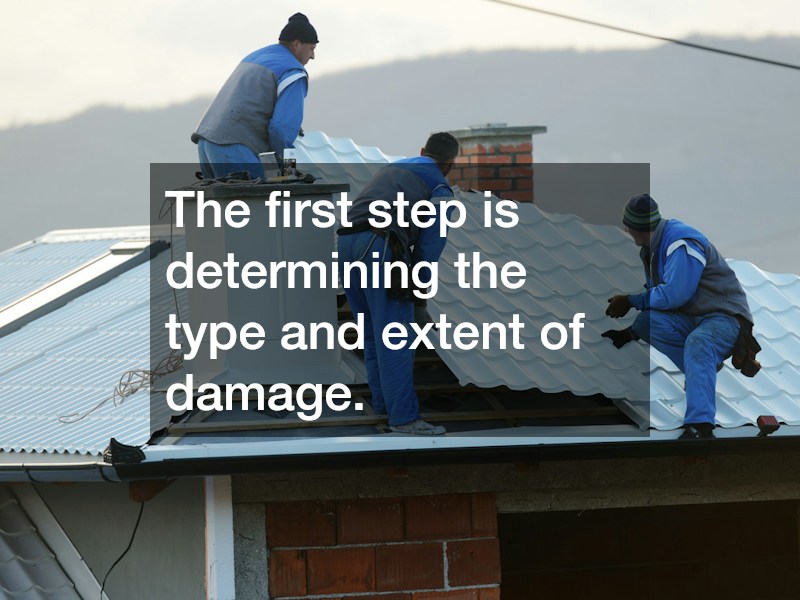
The first step is determining the type and extent of damage. Some roofing problems are easy to notice, such as missing or damaged shingles, while others may not be apparent from the ground. Water stains on ceilings or walls, damp insulation, and signs of moisture in the attic can indicate that water is getting through the roofing system.
A professional inspection can provide a more complete assessment. A roofing contractor can examine shingles, flashing, vents, valleys, underlayment, and other components for damage or deterioration. They can also determine whether a problem is isolated to one area or indicates broader deterioration throughout the roof.
The roof’s age is another important consideration. A relatively new roof with limited damage may be a good candidate for repair, while an older roof with multiple problems may warrant more extensive work.
What Are the Signs That a Roof Needs Repair?
Roof damage does not always mean the entire roofing system needs to be replaced. Missing, cracked, curled, or lifted shingles may sometimes be addressed without removing the entire roof. Damaged flashing around chimneys, skylights, or vents can also create localized leaks that may be corrected with targeted work.
Small leaks should not be ignored simply because they appear minor. Water can travel beneath roofing materials before entering the home’s interior, potentially causing damage to insulation, drywall, wood, and other building materials.
A timely roof repair can address isolated problems before they develop into larger issues. Homeowners should also pay attention after severe weather, particularly if strong winds, hail, or falling branches may have affected the roof. Even when damage is not immediately visible, an inspection can help identify problems that require attention.
When Is Roof Replacement Necessary?
Replacement may become necessary when damage is widespread or when the roofing materials have reached the end of their useful service life. Numerous missing or deteriorated shingles, extensive leaks, sagging areas, and significant deterioration of underlying materials can indicate that repairs are no longer a practical long-term solution.
Repeated repairs can also be a warning sign. If the same roof continues developing new leaks or damaged areas, continuing to address individual problems may cost more over time than installing a new roofing system.
The condition of the roof deck should also be considered. If moisture has caused substantial deterioration beneath the shingles, simply replacing a few surface materials may not address the underlying problem. A contractor can determine how much of the roofing system needs to be replaced.
How Do Costs Compare Between Repairing and Replacing?
Repairs generally require less material and labor than a complete replacement, making them the less expensive option when damage is limited. However, the lowest immediate cost is not necessarily the lowest long-term cost.
Homeowners should consider the roof’s age and expected remaining service life when comparing options. Spending money on several repairs for an aging roof may eventually approach the cost of replacement, particularly if additional problems continue appearing.
Replacement also provides an opportunity to address multiple deficiencies at once. A contractor can remove deteriorated materials, inspect the underlying structure, replace damaged components, and install a new roofing system rather than repeatedly addressing individual symptoms.
Obtaining detailed estimates can help homeowners compare the scope of each option. Estimates should identify materials, labor, removal and disposal costs, and any necessary structural repairs.
What Are the Environmental Impacts?
Roofing projects can generate considerable waste, particularly when an entire roofing system is removed. Choosing repair when the existing roof remains structurally sound can extend its service life and potentially reduce the amount of material sent to a landfill.
Replacement, however, may be appropriate when continued repairs would only postpone an inevitable project. Some roofing materials can be recycled or recovered, depending on local programs and the type of material being removed. Homeowners can ask contractors about disposal and recycling practices when evaluating replacement options.
Energy efficiency may also factor into the decision. A replacement project can provide an opportunity to install modern materials and improve ventilation or insulation where appropriate.
Deciding whether to repair or replace a roof requires more than looking at the visible damage. Homeowners should consider the extent of the problem, the age and overall condition of the roofing system, future repair costs, and environmental considerations. A professional evaluation can help determine whether a localized solution is appropriate or whether replacement would provide a more practical long-term result.