Choosing the Right Materials for Better Roof Protection
A home’s roof is one of the most important systems protecting the structure from weather, moisture, heat, and long-term damage. Yet many homeowners focus only on shingles or appearance without considering how material quality affects durability over time. Choosing the right products and installation methods can help prevent leaks, improve energy efficiency, and reduce future maintenance expenses.
Long-lasting protection starts with informed decisions. From selecting dependable materials to hiring experienced professionals, every step influences how well a roof performs in changing weather conditions. Homeowners who understand what to look for are better prepared to avoid premature wear, water intrusion, and costly structural issues.
This guide explains how to evaluate materials, compare professional services, identify warning signs, and maintain a stronger roofing system for years to come.
Understand Which Materials Perform Best in Your Climate
Selecting the right materials begins with understanding the environmental conditions your roof faces every year. Homes in hot, sunny climates require different protection than homes exposed to snow, ice, or heavy rain. Materials that perform well in one region may deteriorate quickly in another.
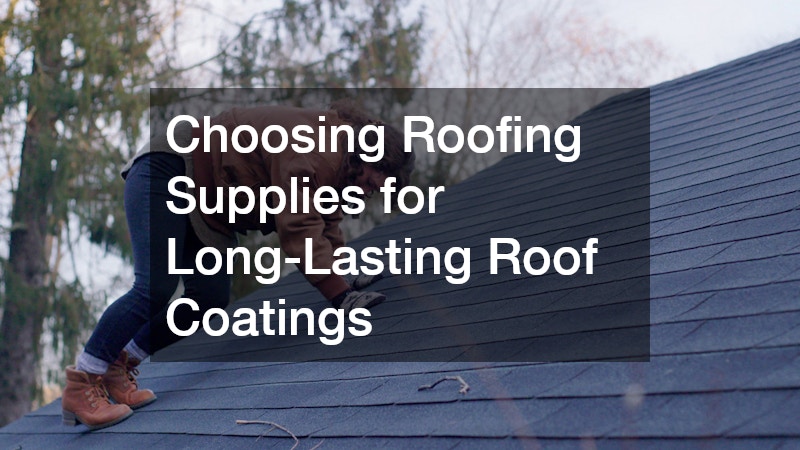
Modern roof coatings are designed to create an added layer of protection against moisture, UV rays, and temperature fluctuations. However, not every coating is ideal for every property. Acrylic coatings are popular in warm climates because they reflect sunlight and help reduce heat absorption. Silicone coatings are highly resistant to ponding water, making them useful for regions with frequent rainstorms. Polyurethane options are often chosen for their durability in areas with heavy foot traffic or impact risks.
The quality of roofing supplies also matters more than many homeowners realize. Lower-cost materials may seem appealing initially, but they often wear out faster, crack under pressure, or fail during severe weather. Investing in premium sealants, underlayment products, fasteners, and coatings can dramatically improve overall roof longevity.
Before purchasing materials, homeowners should ask suppliers important questions about product testing, warranties, and compatibility with existing roofing systems. Some products are specifically engineered for flat roofs, while others work better on sloped surfaces. Choosing incompatible materials can lead to premature failure even if the installation appears successful initially.
It is also helpful to review manufacturer warranty terms carefully. A longer warranty does not automatically mean better performance, but it can indicate greater confidence in the product’s durability. Homeowners should look for warranties that cover weather resistance, cracking, peeling, and material defects.
Another factor to consider is energy efficiency. Reflective coatings and high-quality insulation materials can help regulate indoor temperatures, reducing cooling costs during summer months. Over time, these savings can offset the higher upfront cost of better materials.
Taking the time to compare options carefully helps homeowners avoid unnecessary repairs and maximize the lifespan of their roofing investment.
Catch Small Problems Before They Become Major Damage
Minor roof issues can quickly become expensive structural problems if ignored. Early detection is one of the most effective ways to extend the life of a roofing system and avoid emergency expenses.
Many homeowners fail to inspect vulnerable areas regularly. Water often enters through flashing around chimneys, vents, skylights, or roof valleys. Small cracks or lifted edges may not seem urgent at first, but moisture intrusion can slowly damage insulation, wood decking, and interior ceilings.
Routine inspections are especially important after storms, heavy snowfall, or strong winds. Missing shingles, clogged drainage systems, and visible sagging should never be ignored. Even minor discoloration on ceilings or walls may indicate hidden leaks developing beneath the surface.
Professional roofing inspections can help identify damage that is difficult to see from the ground. In many cases, early roof repair work costs significantly less than replacing large sections of damaged materials later. Addressing small issues quickly can prevent mold growth, rot, and structural weakening.
Homeowners should also watch for signs of aging such as blistering surfaces, granule loss, cracking sealants, or deteriorating flashing. These warning signs often indicate the roof is becoming more vulnerable to water penetration and weather-related wear.
Regular roofing maintenance is equally important. Cleaning debris from gutters and roof surfaces prevents standing water from collecting in vulnerable areas. Trapped moisture can accelerate material deterioration and increase the risk of leaks.
Seasonal maintenance checklists are helpful for staying organized. Spring inspections can reveal winter-related damage, while fall maintenance prepares the roof for colder temperatures and heavy precipitation. Simple tasks such as trimming overhanging tree branches can also reduce long-term wear caused by falling debris.
Homeowners should never wait until water is actively leaking indoors before taking action. By the time visible damage appears inside the home, hidden deterioration may already be extensive. Preventive care is almost always more affordable than emergency restoration.
Compare Professional Services Carefully Before Hiring

Choosing the right company is just as important as choosing the right materials. Many roofing problems develop because of poor workmanship rather than defective products. Homeowners should take time to evaluate contractors thoroughly before signing any agreement.
A reputable roofing service provider should be fully licensed and insured. Insurance protects homeowners from liability if accidents occur during the project, while licensing helps confirm the contractor meets local industry requirements. Asking for proof of both is an important first step during the hiring process.
Reliable roofing contractors should also provide detailed written estimates instead of vague verbal pricing. A professional estimate should outline labor costs, materials, cleanup procedures, project timelines, warranty information, and payment schedules. Transparent documentation helps prevent misunderstandings later.
Homeowners should avoid making decisions based solely on the lowest bid. Extremely low pricing may indicate poor-quality materials, rushed labor, or hidden fees added later. In many cases, paying slightly more upfront results in better workmanship and fewer future repairs.
Checking online reviews and references can provide valuable insight into a contractor’s reliability. Look for consistent feedback regarding communication, punctuality, cleanup quality, and long-term customer satisfaction. It is also helpful to ask contractors for photos or examples of previous projects similar to your own.
Another important consideration is whether the company offers ongoing maintenance services. Routine inspections and preventive care plans can help homeowners protect their investment over time. Contractors who provide long-term support often take greater pride in the quality of their work.
Communication also matters throughout the process. Professional contractors should be willing to answer questions clearly, explain material options, and discuss realistic project expectations. Poor communication early in the process may signal larger problems later.
Homeowners should additionally ask about ventilation improvements and drainage management during consultations. Improper ventilation can trap heat and moisture inside the attic, accelerating roof deterioration and increasing energy costs. Drainage issues may cause standing water that weakens structural components over time.
Taking time to compare companies carefully helps homeowners feel more confident in their decisions while reducing the risk of costly installation errors.
Why Expert Evaluations Help Prevent Expensive Mistakes
Many homeowners underestimate the importance of professional evaluations before beginning a major roofing project. Surface-level inspections may overlook hidden structural concerns that can shorten the lifespan of a new system if left unresolved.
An experienced roof specialist can identify problems that are difficult for homeowners to recognize on their own. Hidden moisture damage, poor ventilation, sagging decking, and compromised flashing may all exist beneath seemingly minor surface wear. Addressing these issues before installing new materials prevents future complications.
Working with established roofing companies also provides access to broader expertise and higher-quality installation standards. Experienced teams are more likely to understand regional weather challenges, local building codes, and manufacturer installation requirements.
Before choosing a contractor, homeowners should ask how inspections are performed and whether moisture detection tools or detailed reports are included. Thorough evaluations help ensure that recommendations are based on actual structural conditions rather than assumptions.
Professional assessments can also help homeowners determine whether restoration or replacement is the better long-term investment. In some situations, targeted repairs combined with protective coatings may extend roof life significantly without requiring full replacement. In other cases, repeated repairs may ultimately cost more than upgrading the entire system.
Ventilation assessments are another critical part of the evaluation process. Poor airflow can trap excess humidity and heat inside attic spaces, leading to mold growth, wood rot, and higher energy bills. Experienced professionals understand how ventilation systems affect long-term roof performance.
Drainage design is equally important. Water pooling on flat or low-slope roofs increases the risk of leaks and material breakdown. Professionals can recommend improvements such as tapered insulation systems, upgraded drains, or modified slopes to reduce standing water.
Homeowners should also ask potential contractors about manufacturer certifications. Some manufacturers certify contractors who meet strict training and installation requirements. These certifications may provide access to stronger warranties and higher-quality workmanship standards.
By seeking professional evaluations before committing to major work, homeowners can make more informed decisions and reduce the likelihood of unexpected expenses later.
Installation Quality Plays a Major Role in Durability
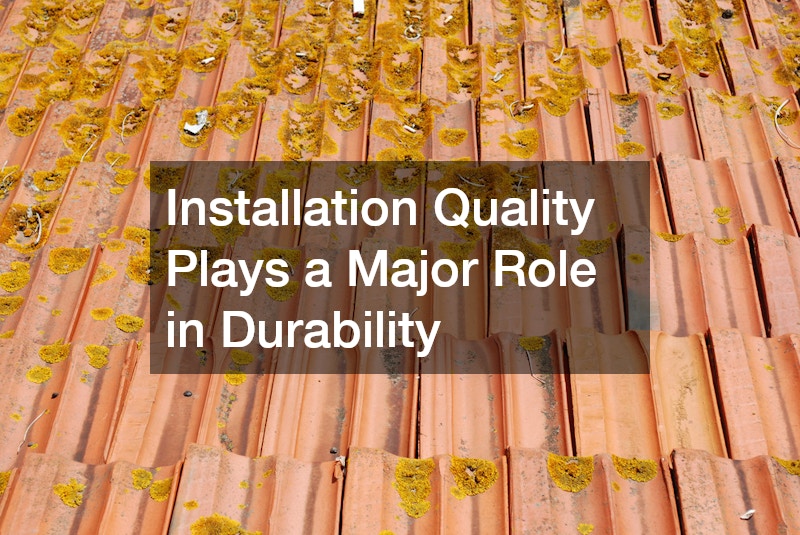
Even the best materials can fail if installation is handled improperly. Attention to detail during installation significantly affects how long a roof lasts and how well it withstands weather exposure over time.
An experienced roof installer understands that preparation is one of the most important stages of any project. Before applying new materials, the surface must be cleaned thoroughly and inspected for hidden damage. Dirt, moisture, and loose debris can interfere with adhesion and cause premature failure.
Proper sealing and priming procedures are equally important. Skipping preparation steps to save time often leads to cracking, blistering, or water intrusion later. High-quality workmanship requires patience and careful attention throughout the installation process.
An experienced roofer should also explain the application methods being used and why they are appropriate for the specific roofing system. Some coatings perform best when sprayed, while others require rolling or brushing for proper coverage. Weather conditions during installation also influence curing and adhesion quality.
Temperature, humidity, and moisture levels all affect how materials bond to the roof surface. Applying products under unsuitable conditions can reduce effectiveness and shorten lifespan. Professional installers monitor environmental conditions carefully to ensure proper curing.
Workmanship quality becomes especially important around penetrations, flashing, vents, and edges. These vulnerable areas are common sources of leaks when installation shortcuts occur. Skilled installers take extra care to reinforce these sections and maintain watertight seals.
Homeowners should also ask about cleanup procedures and post-installation inspections. Reputable contractors typically conduct final inspections to ensure all materials were applied correctly and no issues were overlooked during the project.
While lower bids may appear attractive initially, rushed labor often results in uneven application, improper sealing, and avoidable future repairs. Investing in experienced professionals usually provides better long-term value and fewer maintenance concerns.
Ultimately, installation quality determines whether a roof performs as intended. Careful workmanship combined with premium materials helps homeowners achieve longer-lasting protection and greater peace of mind.
Create a Long-Term Plan to Protect Your Investment

Long-lasting roof performance depends on consistent maintenance after installation is complete. Even durable systems require routine care to prevent minor issues from developing into major structural damage.
Regular inspections are one of the most effective ways to preserve performance. Homeowners should inspect the roof after severe storms, heavy winds, or hail events. Catching small damage early can prevent leaks and expensive restoration work later.
Maintaining roof coatings properly is especially important for maximizing their lifespan. Over time, exposure to sunlight, debris, and moisture can gradually weaken protective surfaces. Periodic inspections help determine when touch-ups or recoating may be necessary.
Homeowners should also monitor the overall condition of their roofing system throughout the year. Watch for signs such as discoloration, bubbling, cracking, or standing water. These indicators may suggest that preventive maintenance is needed before larger problems develop.
Keeping gutters, downspouts, and drainage systems clean is another critical step. Blocked drainage pathways can force water back onto the roof surface, increasing the risk of leaks and structural deterioration. Seasonal gutter cleaning helps reduce moisture-related stress.
Tree maintenance also contributes to roof longevity. Overhanging branches can scrape surfaces during high winds, while falling debris may damage protective layers. Trimming nearby branches reduces physical wear and limits debris accumulation.
Homeowners should additionally maintain attic ventilation and insulation systems. Proper airflow helps regulate moisture and temperature levels, reducing stress on roofing materials year-round. Poor ventilation often accelerates aging and increases energy consumption.
Scheduling professional inspections every few years provides added peace of mind. Experienced contractors can identify subtle warning signs before they become serious concerns. Preventive evaluations often save homeowners substantial repair costs in the long run.
Taking a proactive approach to maintenance helps homeowners extend roof lifespan, improve energy efficiency, and reduce the likelihood of emergency repairs. Consistent care protects both the structure and the long-term value of the property.
Making Smarter Decisions for Long-Term Home Protection
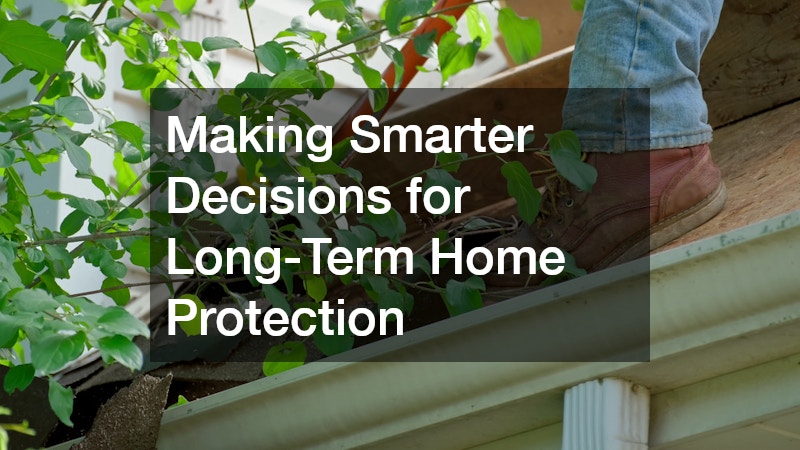
Choosing the right materials and professionals can make a significant difference in how well a roof performs over time. Durable protection depends on more than appearance alone. Climate conditions, installation quality, maintenance habits, and product selection all play critical roles in long-term performance.
Homeowners who invest time in researching materials, comparing contractors, and maintaining their systems properly are more likely to avoid premature damage and expensive repairs. Preventive care and informed planning help maximize durability while improving overall property value.
By focusing on quality workmanship, reliable materials, and consistent maintenance, homeowners can create a stronger, longer-lasting roofing system that protects their investment for many years to come.