Key Takeaways
- Asphalt shingles are the most affordable and common roofing choice, but they wear out faster than metal alternatives
- Metal roofs cost more upfront but can last two to three times longer than standard shingles
- Visible signs like curling shingles, rust spots, leaks, and sagging areas usually mean it is time to act
- Climate, installation quality, and ventilation play huge roles in how long any roof holds up
- Regular inspections twice a year can catch small problems before they turn into expensive repairs
- Budget, home style, and how long you plan to stay in the house should all shape your material choice
Your roof is more than just the top of your house. It is a layered system designed to shed water, resist wind, block UV rays, and keep your home’s interior temperature stable. Underneath the material you see from the street sits decking, underlayment, flashing, and ventilation components that all work together.
When one part of that system fails, the others start to suffer too. A single missing shingle can let water seep into the decking. Rotten decking weakens the structure. Poor ventilation bakes the attic and shortens the life of everything above it.
Understanding this helps explain why two homes on the same street can have very different outcomes with the same roofing material. The visible layer matters, but so does everything hiding beneath it.
Asphalt Shingles Explained Simply
Asphalt shingles are those flat, overlapping rectangles you see on most American homes. They are made from a fiberglass mat coated in asphalt and topped with tiny mineral granules. The granules protect the asphalt from the sun and give the shingle its color.
They come in three main grades. Three-tab shingles are the thinnest and cheapest. Architectural shingles are thicker, more textured, and last longer. Premium or designer shingles mimic the look of slate or wood shake and sit at the top of the price range.
Here is why asphalt dominates the market:
- Low upfront cost compared to almost any other material
- Easy for most roofing crews to install quickly
- Available in dozens of colors and styles
- Simple to repair when a few shingles blow off
- Widely stocked, so matching replacements is usually easy
According to McElroy Metal, the Metal Roofing Alliance estimates that asphalt shingles typically need replacement every 10 to 20 years, though premium versions can push a bit beyond that with good care.
Metal Roofing Explained Simply
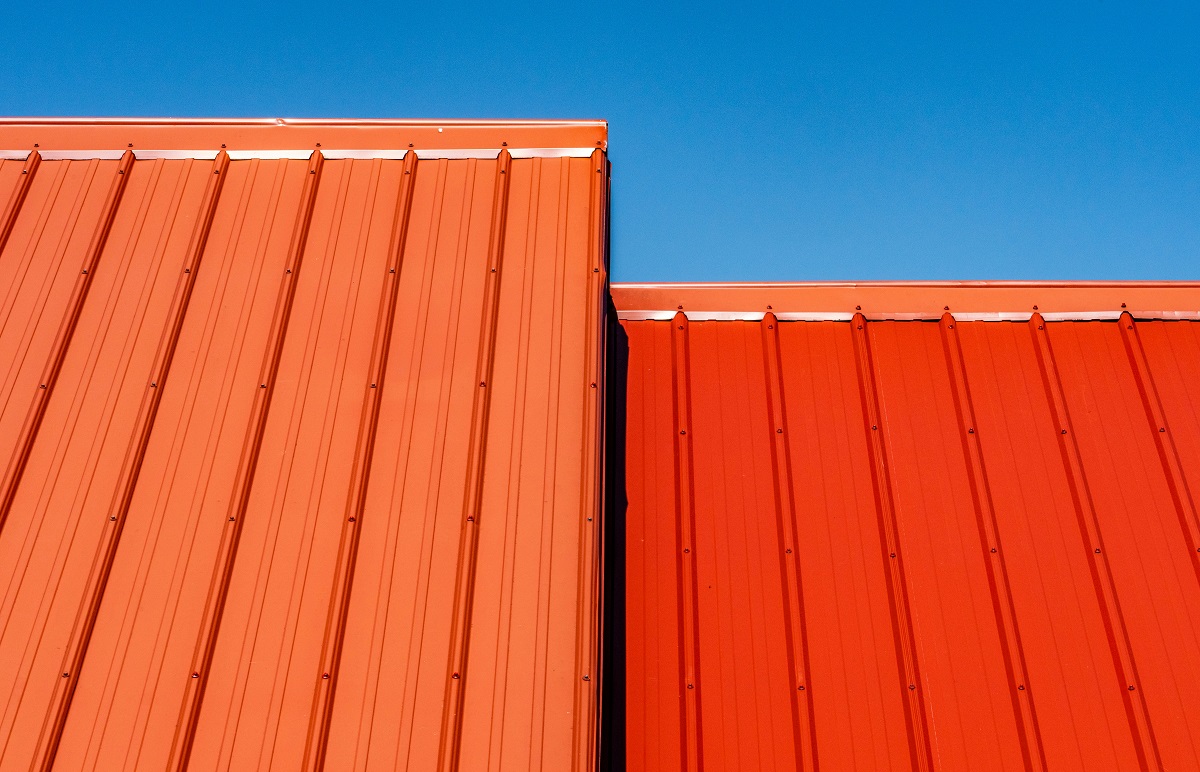
Metal roofing is exactly what it sounds like, but there is more variety than most people realize. Steel is the most common and affordable. Aluminum resists rust and works well near the coast. Copper and zinc are high-end options that develop a beautiful patina over time.
The two main styles are standing seam and metal shingles. Standing seam panels run vertically from the ridge to the eave with raised interlocking joints. Metal shingles are smaller pieces designed to look like asphalt, slate, or wood from a distance.
Why Homeowners Choose Metal
Metal roofs reflect heat instead of absorbing it, which can trim cooling bills in hot climates. They shed snow easily, resist fire, and stand up to high winds. According to Englert Inc., a quality metal roof can last anywhere from 40 to 70 years, with some premium metals holding up even longer than that.
The tradeoff is cost. A metal roof can run two to three times the price of asphalt. Installation also requires specialized skills, so finding a qualified crew takes more effort than hiring a general shingle installer.
Comparing the Two Side by Side
When you line up asphalt and metal, each material has clear strengths. Asphalt wins on initial price and ease of repair. Metal wins on roof lifespan, energy efficiency, and durability against extreme weather. The right choice depends less on which material is objectively “better” and more on how long you plan to stay, what your climate throws at your home, and how much upfront capital you can commit today.
Think about these practical differences:
- Upfront cost: asphalt is cheaper, often by a significant margin, sometimes half the installed price of a comparable metal system
- Weight: asphalt is heavier per square foot than most metal panels, which can matter for older homes with aging framing
- Noise: metal can be louder in rain without proper underlayment, though modern insulation and solid decking largely eliminate the drumming effect many homeowners worry about
- Resale value: metal often adds more to appraised home value and can be a strong selling point in regions where premium roofing is expected
- Maintenance: metal needs less frequent attention over the decades, while asphalt typically requires periodic shingle replacement, sealing, and granule loss monitoring
- Warranty: asphalt warranties commonly run 25 to 30 years, while metal warranties often stretch 40 to 50 years or more
- Installation time: asphalt usually goes on faster, meaning less labor cost and shorter disruption to your household
Which One Makes Sense For Your Situation
If you plan to sell within ten years, asphalt usually makes financial sense. The buyer gets a fresh roof and you avoid overspending on a feature you will not benefit from long term. You recover enough value at closing to justify the install without stretching your budget. If this is your forever home, metal often pays off through sheer longevity, since you may never need to replace the roof again in your lifetime, and the energy savings compound year after year.
Climate matters too. Homes in hail-prone regions sometimes see metal dent, especially softer aluminum panels, while homes in wildfire zones benefit from metal’s fire resistance and Class A rating. Coastal properties dealing with salt spray may need specific coatings regardless of material, and snowy regions often favor metal for its ability to shed loads before they stress the structure. In humid southern climates, metal reflects heat and keeps attic temperatures lower, which can shave noticeable dollars off summer cooling bills.
Your neighborhood also plays a role. Some HOAs restrict metal roofing or require specific profiles and colors, while historic districts may push you toward traditional asphalt or architectural shingles that mimic older materials. Before committing, check local codes, insurance discounts for impact-resistant materials, and whether your utility offers rebates for reflective roofing. There is no universal winner, only the right fit for your specific property, timeline, and budget.
How Long Should Your Roof Really Last?
Material is only part of the equation. Installation quality, attic ventilation, sun exposure, and weather patterns all affect how many years you actually get. A perfectly installed asphalt roof in a mild climate can outlast a poorly installed one in a harsh climate by a decade or more.
According to This Old House, asphalt shingles generally last 20 to 30 years while premium options like slate and clay tiles can push past the century mark. That is a huge range, and the gap between best case and worst case depends almost entirely on care.
Simple habits make a real difference. Clearing debris from valleys, keeping gutters flowing, trimming overhanging branches, and scheduling professional inspections after major storms all help. If you want practical steps for stretching the years you get out of your current roof, this guide on how to extend roof lifespan walks through the fundamentals.
Signs It Is Time to Replace: When Should You Replace Your Roof
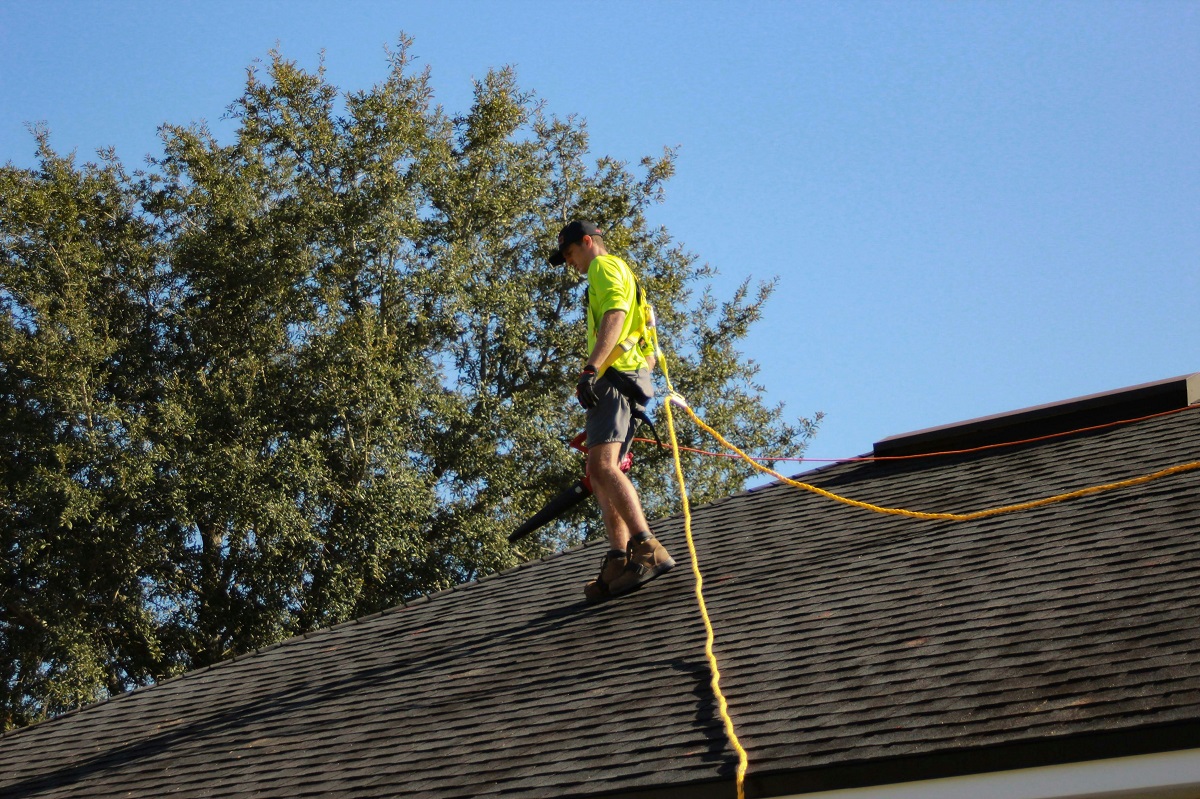
Knowing the warning signs is the single most useful skill a homeowner can develop. Small problems caught early cost hundreds. The same problems ignored for a year or two can cost tens of thousands.
So when should you replace your roof instead of patching it one more time? The answer usually comes down to a combination of age, damage pattern, and how often repairs are needed. If you are calling a roofer every spring, replacement is almost always cheaper over the long haul.
Watch for these red flags:
- Shingles that are curling, cracking, or missing granules in large patches
- Dark streaks or sagging areas visible from the ground
- Daylight visible through the attic roof boards
- Repeated leaks in the same spot despite past repairs
- Rust spreading across metal panels or seams pulling apart
- Shingle granules collecting in gutters by the handful
Cost is a real factor. According to GAF, the average roof replacement cost in 2025 was $17,631, which is why many homeowners try to time the project rather than being forced into it after a sudden failure. Planning ahead lets you get multiple bids, pick your material carefully, and avoid rushed decisions during an emergency.
Hiring the Right Contractor
The best material in the world will fail if installed poorly. Getting the right crew matters as much as choosing between asphalt and metal. Start by collecting at least three detailed written estimates that break down materials, labor, underlayment, flashing, and disposal fees.
Ask every contractor for proof of insurance, local references, and manufacturer certifications. A certified installer often unlocks longer warranties from the shingle or metal panel maker. Skip anyone who pressures you to sign on the spot or asks for full payment upfront.
Watch out for these red flags during the hiring process:
- No physical business address or local reviews
- Vague estimates without line-item details
- Unwillingness to pull required permits
- Promises that seem too good to be true on price ortimeline
A trustworthy contractor will walk you through the entire project before any work begins. They should explain what happens to your old roof, how they protect your landscaping, and what the cleanup process looks like at the end of each day. If you want a broader framework for vetting any contractor who works on your property, this breakdown of how to choose home services covers the questions worth asking before you sign.
Budgeting Smart for a Roof Replacement
Few home projects hit the wallet quite like a full tear-off. Even a modest asphalt job can run into five figures, and metal pushes that number considerably higher. Planning the money side early keeps the project from derailing halfway through.
Start by getting a clear picture of what your estimates actually include. Some bids leave out items like new flashing, ice and water shield in valleys, or ridge vents, then tack them on as change orders once work begins. Line-item quotes make apples-to-apples comparisons possible.
Consider these funding angles before committing:
- Home equity lines of credit often carry lower rates than contractor financing
- Insurance may cover part of the cost if storm damage is documented
- Some manufacturers offer promotional financing with no interest for a set period
- Off-season installation in late fall or winter sometimes brings discounts
- Bundling with gutter or siding work can reduce overall labor charges
Set aside a contingency of around ten percent for surprises. Rotten decking, hidden chimney flashing problems, or unexpected ventilation upgrades often surface once the old roof comes off. Having that cushion keeps a small discovery from becoming a stressful decision.
Timing the Project Right
Spring and summer are peak season for roofers, which means higher prices and longer wait times. If your current roof can safely make it to late fall, you may find better rates and faster scheduling. Just avoid pushing into the dead of winter in cold climates, where shingles do not seal properly in freezing temperatures.
Maintenance Habits That Protect Your Investment
Once the new roof is on, the clock starts over. How you treat it from day one shapes how many decades you get in return. Most of the habits that matter are simple and take almost no money.
Walk your property after every major storm and look up. Binoculars help if you prefer to stay on the ground. Note any shifted shingles, bent flashing, or debris caught in valleys and address it before the next weather event stacks on top.
Twice-yearly checklists keep things on track:
- Clean gutters and downspouts in spring and fall
- Trim branches that hang within ten feet of the roof surface
- Check attic insulation and ventilation for signs of moisture
- Look for daylight or water stains along rafters
- Inspect caulking around chimneys, vents, and skylights
Professional inspections every three to five years catch things homeowners miss. A trained eye spots failing sealant, nail pops, and early granule loss long before leaks appear inside.
Final Thoughts
Choosing between asphalt and metal is less about which material is objectively better and more about which one matches your home, your climate, and your plans. Asphalt delivers solid performance at a price most families can swing, while metal rewards patience and a longer time horizon with decades of low-maintenance protection. Neither choice is wrong when it fits the situation.
The bigger lesson is that your roof deserves attention long before it starts leaking. Catching curled shingles, rusted seams, or clogged gutters early gives you the luxury of planning rather than reacting. A planned replacement means multiple bids, careful material selection, and a crew you actually trust. An emergency replacement means taking whoever can show up tomorrow.
Treat your roof as the system it really is, give it regular care, and work with contractors who treat the job seriously. Do those three things and whichever material you pick will serve you well for a very long time.