Key Takeaways
- Inspect your roof from the ground twice a year, in spring and fall, and after every major storm.
- Check the attic too: stains, damp insulation and daylight through the boards reveal problems the outside hides.
- Don’t skip the chimney. Cracked crowns, loose mortar and failed flashing are common leak sources.
- Most asphalt shingle roofs last around 20–30 years; know your roof’s age before deciding on repairs.
- Widespread damage, sagging and rotted decking usually point to replacement rather than repair.
- Leave anything that involves walking on the roof to a qualified professional.
- Keep dated photos and notes from every inspection for warranties, insurance and future decisions.
A roof rarely fails overnight. Most leaks, rotted decking and surprise replacement bills start as small problems that went unnoticed for months: a few lifted shingles, a cracked boot around a vent pipe, a chimney crown that let water seep in all winter. A simple roof inspection checklist, used a couple of times a year, is one of the cheapest ways to protect a home.
This guide walks through exactly what to check, both outside and inside, how often to do it, what different findings usually mean, and when to bring in a professional. It also explains how to read an inspection report, how long different roofs typically last, and how to decide between repairing and replacing.
Why Regular Roof Inspections Matter
The roof is the first line of defense against rain, snow, wind and sun, and it takes a beating every single day. Regular inspections pay off in several ways:
- Small problems stay small. Replacing a handful of shingles or resealing flashing costs far less than repairing water-damaged ceilings, insulation and decking.
- The roof lasts longer. Clearing debris, fixing loose flashing and keeping gutters flowing all help a roof reach its full expected lifespan.
- Insurance claims are easier. Dated photos showing the roof’s condition before a storm make it much simpler to document new damage afterwards.
- Big decisions are better informed. Knowing the roof’s condition over time makes it easier to plan and budget for a replacement instead of being forced into one.
How Often Should a Roof Be Inspected?
| Type of inspection | How often |
|---|---|
| Homeowner check from the ground | Twice a year, in spring and fall |
| Quick check after severe weather | After every major storm, hail or high wind |
| Attic check | Twice a year, and after heavy rain |
| Professional inspection | Every 1–3 years, and every year once the roof is over 15 years old |
| Before buying or selling a home | Always |
Safety First
A homeowner inspection doesn’t mean climbing onto the roof. Most problems can be spotted from the ground with binoculars, from a securely placed ladder at the eaves, or from inside the attic. Walking on a roof is genuinely dangerous: steep pitches, wet or mossy surfaces and brittle older shingles cause serious falls every year, and foot traffic can damage the roofing itself. Anything that requires walking on the roof is a job for a professional with the right equipment.
The Exterior Roof Inspection Checklist
Walk the full perimeter of the house, looking at every roof plane from a few different angles. Take photos as you go.
Shingles and Roof Surface
- Missing, cracked, torn or broken shingles
- Curling, cupping or buckling shingle edges
- Bald patches where protective granules have worn away
- Dark streaks, moss or algae, especially on shaded slopes
- Exposed or popped nails lifting the shingles above them
- On metal roofs: loose fasteners, rust spots, dents or separated seams
Flashing and Roof Penetrations
Flashing is the metal that seals the joints where the roof meets something else. Check around:
- Chimneys, skylights and dormers
- Plumbing vent pipes and their rubber boots, which often crack long before the shingles wear out
- Roof-to-wall joints, where step flashing should be tucked neatly under each course of shingles
- Valleys, where two roof slopes meet and channel large volumes of water
Roofline and Structure
- A roofline that dips, sags or looks wavy
- Uneven ridges
- Soft, stained or rotting fascia boards
- Damaged soffits or missing soffit vents
Gutters and Downspouts
- Gutters pulling away from the fascia or sagging between brackets
- Debris, standing water or plants growing in the gutters
- Shingle granules collecting in gutters or at the bottom of downspouts, a common sign of aging shingles
- Downspouts that empty right next to the foundation instead of several feet away
If any of the language in this checklist is unfamiliar, from drip edge and fascia to valleys and step flashing, our guide to common roofing terms explains each one in plain English.
Don’t Forget the Chimney
Chimneys are among the most common sources of roof leaks, yet they’re often left out of routine checks. From the ground or a ladder, look for:
- A cracked or crumbling chimney crown, the concrete cap on top of the masonry that sheds water
- Missing or loose mortar between bricks
- Damaged or missing chimney cap, which keeps rain, debris and animals out of the flue
- Rusted, loose or lifted flashing where the chimney meets the roof
- White staining (efflorescence) on the brick, a sign that water is moving through the masonry
Inside, water stains on the ceiling or walls near the chimney often point to a flashing or crown problem. Regular sweeping and inspection also matter for safety, since creosote build-up in wood-burning chimneys is a fire risk. Our article on chimney maintenance tips covers what to check each season and how often the chimney should be professionally cleaned.
The Attic and Interior Checklist
The attic often reveals problems that look fine from outside. On a bright day, with a flashlight, check for:
- Daylight coming through the roof boards
- Water stains, dark spots or damp patches on the underside of the decking or on rafters
- Wet or compressed insulation
- Mold, mildew or a musty smell
- Sagging decking between rafters
- Blocked vents, especially soffit vents covered by insulation
- Frost on the underside of the roof in winter, a sign of poor ventilation and moisture build-up
Inside the living space, look for ceiling stains, peeling paint near the roofline, and water marks around skylights and exterior walls.
Why Attic Ventilation Matters for Roof Life
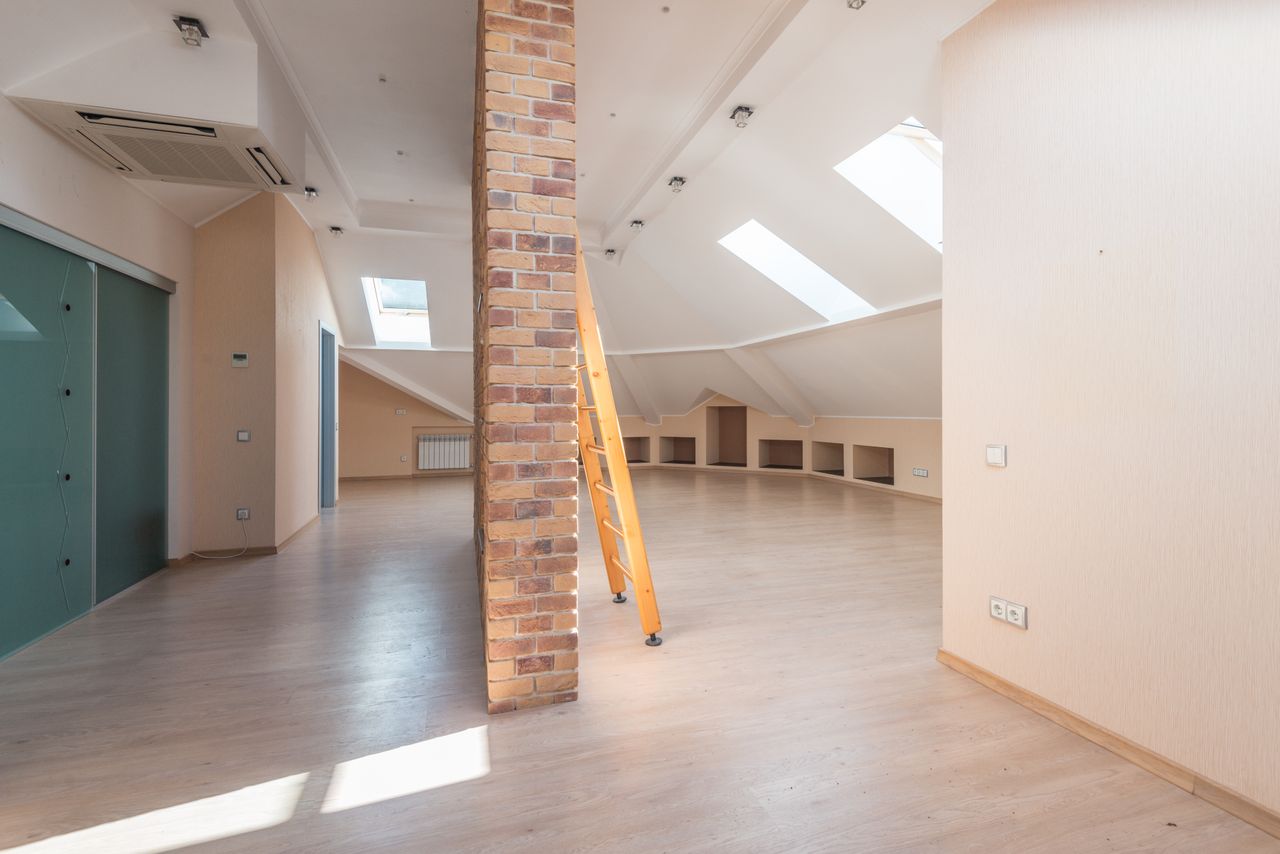
Ventilation is one of the most overlooked parts of a roof inspection checklist, yet it has a huge effect on how long a roof lasts. A well-ventilated attic pulls cooler outside air in through soffit vents and lets hot, moist air escape through ridge or roof vents. When that airflow is blocked or unbalanced, problems build up quietly:
- Summer heat can bake shingles from underneath, speeding up curling, cracking and granule loss.
- Winter moisture from the living space condenses on the cold underside of the decking, leading to frost, damp insulation, mold and eventually rot.
- Ice dams form more easily when a warm attic melts snow on the roof, which then refreezes at the colder eaves.
During an attic check, make sure soffit vents aren’t buried under insulation, that ridge or roof vents are clear, and that the attic doesn’t feel extremely hot in summer or damp in winter. Many shingle manufacturers also require proper ventilation for their warranties to stay valid.
Signs You Need a New Roof
Some findings go beyond routine repairs. If several of these show up together, it’s time to start planning a replacement:
- The roof is near or past its expected lifespan
- Shingles are curling, cracking or missing across large areas, not just in one spot
- Granules are collecting in gutters after most rainstorms
- The roofline sags, or the decking feels soft
- Leaks keep appearing in new places even after repairs
- Daylight shows through the roof boards in the attic
- Moss or algae has spread widely and the shingles beneath are deteriorating
How Long Does a Roof Last?
Knowing the roof’s age puts every inspection finding in context. These are typical ranges; actual lifespan depends on product quality, installation, ventilation, climate and maintenance.
| Roofing material | Typical lifespan |
|---|---|
| 3-tab asphalt shingles | About 15–20 years |
| Architectural asphalt shingles | About 25–30 years |
| Wood shakes | About 20–30 years |
| Metal | About 40–70 years |
| Clay or concrete tile | 50+ years |
| Slate | 75+ years |
If the roof’s age isn’t known, closing documents, past invoices, permit records or a professional inspection can usually narrow it down.
What Your Inspection Findings Usually Mean
| Finding | What it usually means |
|---|---|
| A few missing or damaged shingles | A localized repair |
| Cracked vent boot or loose flashing | A small, targeted repair |
| Granules in gutters on an older roof | Shingles nearing the end of their life |
| Widespread curling, cracking or bald spots | The roof is wearing out as a whole |
| Sagging roofline or soft decking | Structural damage that needs urgent attention |
| Recurring leaks in different spots | A system-wide problem rather than one bad spot |
The hardest call is often whether to fix the problem or start over. As a rule of thumb, isolated damage on a younger roof is usually repaired, while widespread wear, sagging or rotted decking on an older roof points toward replacement. Our guide to roof repair vs roof replacement walks through the decision in detail, including how age, damage and long-term costs fit together.
When Replacement Is the Right Call
If an inspection shows the roof is near the end of its life, planning ahead makes the process far less stressful. A replacement involves choosing materials, deciding between a full tear-off and an overlay, checking ventilation, and comparing detailed estimates. Taking time to understand these options before the roof fails gives you more control over cost, timing and quality. Our introduction to roof replacement basics explains the main choices and what to expect from start to finish.
Preparing the Roof for Winter
A fall inspection is the most important one of the year in colder climates, because winter weather punishes any weak spot. Before the first freeze:
- Clear gutters and downspouts so melting snow can drain away.
- Trim branches that could break under snow or ice and fall onto the roof.
- Check flashing around the chimney, vents and skylights, and reseal gaps.
- Make sure attic insulation and ventilation are working together to keep the roof deck cold and dry.
- Repair any loose or missing shingles, since wind-driven snow and ice will find every opening.
Budgeting for Roof Care
Routine inspections and small repairs cost far less than emergency fixes or a premature replacement. A sensible approach is to set aside a small amount each year for roof maintenance and minor repairs, and to start saving for replacement once the roof passes roughly two-thirds of its expected lifespan. Keeping inspection records also helps when comparing quotes, because you’ll know exactly what has already been repaired and what condition the roof was in over time.
A Seasonal Roof Inspection Calendar
| Season | What to check |
|---|---|
| Spring | Winter damage, ice-dam damage at the eaves, gutters, flashing, attic for leaks |
| Summer | Shingle condition in the heat, moss and algae, attic ventilation and temperature |
| Fall | Clear gutters after leaves drop, check flashing and chimney before winter, trim branches |
| Winter | Ice dams and icicles, snow load, attic frost, ceiling stains after thaws |
After a Storm: A Quick Checklist
Severe weather can cause damage that isn’t obvious right away. After high winds, hail or heavy storms:
- Walk the property and look for shingles, flashing or debris on the ground.
- Check the roof from the ground with binoculars for missing or lifted shingles and dents on metal or vents.
- Look for new dents in gutters, downspouts and outdoor units, which often signal hail.
- Check the attic and ceilings for new leaks.
- Take dated photos of everything before any clean-up or temporary repairs.
- Contact your insurer early if you find damage, and get a professional inspection before agreeing to any work.
What a Professional Roof Inspection Covers
A professional inspection goes beyond what’s safe or practical for a homeowner. It typically includes a close-up check of the roof surface, flashing, sealants and penetrations; an assessment of the decking and structure; a look at ventilation and insulation in the attic; and a written report with photos and recommendations.
To get the most out of it:
- Share the roof’s age and any repair history you know about.
- Point out any leaks, stains or problem areas you’ve noticed.
- Ask for photos of every issue mentioned in the report.
- Ask which findings are urgent, which can wait, and which are simply worth monitoring.
A Roof Inspection Checklist for Home Buyers and Sellers
The roof is one of the most expensive parts of any house, so it deserves extra attention during a sale. Buyers should ask the seller for the roof’s age, any warranty documents, and records of past repairs or insurance claims. During viewings, look at the roof from every side of the property, check ceilings in upstairs rooms for stains, and, if possible, take a quick look in the attic. A general home inspection includes the roof, but for older roofs or those showing visible wear, a dedicated roofing inspection gives a far more detailed picture.
For sellers, a pre-listing roof inspection can be just as valuable. Fixing small issues such as loose shingles, cracked vent boots or damaged flashing before listing removes easy negotiating points, and a recent inspection report gives buyers confidence. If the roof is near the end of its life, knowing that early allows you to decide whether to replace it, price the home accordingly, or offer a credit, rather than having the issue surface late in the sale.
Keep a Record of Every Inspection
A simple log with the date, what was checked, what was found, photos and any work done makes future decisions much easier. It helps you spot problems that keep coming back, supports warranty and insurance claims, and gives buyers confidence if you ever sell.
Common Roof Inspection Mistakes
- Only looking after a leak appears. By then, water damage has often spread further than it looks.
- Ignoring the attic. Many problems are visible from inside long before they show outside.
- Overlooking the chimney and vent boots. These small details cause a large share of leaks.
- Walking on the roof. It’s risky and can damage shingles.
- Not taking photos. Without them, it’s hard to track changes or prove when damage happened.
Frequently Asked Questions
How often should I inspect my roof?
Check it yourself from the ground twice a year and after major storms, and have a professional inspection every one to three years, or every year once the roof is over 15 years old.
What should a roof inspection checklist include?
Shingles, flashing, roof penetrations, the roofline, gutters, the chimney, attic ventilation, signs of moisture in the attic, and any interior water stains.
How can I tell if my roof is leaking?
Look for ceiling or wall stains, damp attic insulation, dark spots on the underside of the decking, peeling paint near the roofline and musty smells.
Can I inspect my roof without climbing on it?
Yes. Binoculars from the ground, a ladder at the eaves and a check of the attic reveal most common problems safely.
How long does a roof last?
Asphalt shingles typically last about 15–30 years depending on type, metal roofs 40–70 years, and tile or slate 50 years or more.
When should I call a professional?
Call a professional for anything that requires walking on the roof, for active leaks, sagging, suspected structural damage, or after significant storm or hail damage.