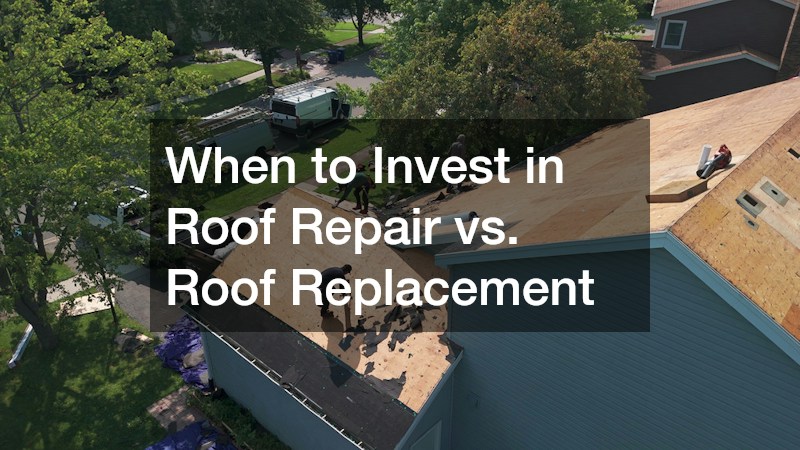
A secure, structurally sound roof is the primary defense against severe weather and environmental wear. When sudden leaks appear or missing shingles are discovered, property owners face a critical decision regarding how to address these physical vulnerabilities. Choosing between a complete structural overhaul and a targeted roof repair is a common logistical challenge for facility managers and homeowners alike. Making the correct choice requires carefully evaluating the severity of the localized damage, the current age of the installed materials, and the overall financial implications of the project. Understanding these factors ensures that the property remains fully protected against the elements.
Assessing the Extent of Shingle and Structural Damage
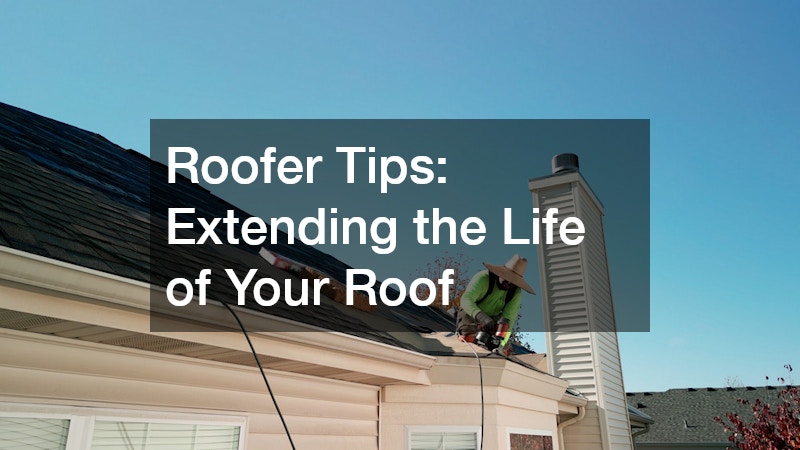
The first step in addressing roofing vulnerabilities involves identifying the difference between isolated surface damage and comprehensive structural failure. Isolated damage usually occurs as a result of a specific environmental event. For example, minor issues such as a few missing asphalt shingles following a localized high-wind event, or cracked metal flashing around a masonry chimney, typically only require a standard roof repair to restore the waterproof barrier. In these instances, the underlying structure remains entirely intact, and replacing the compromised surface materials effectively seals the building envelope against further water intrusion.
However, it is crucial to recognize the warning signs of much deeper, systemic failure that goes beyond surface-level blemishes. Widespread granule loss across the majority of the shingles, visibly sagging rooflines, and severe moisture accumulation in the attic indicate that the roofing system is failing on a structural level. When chronic water intrusion has actively rotted the underlying wooden decking, attempting a superficial roof repair will not resolve the underlying safety hazards. Applying new shingles over compromised, decaying wood fails to address the root cause of the moisture penetration and leaves the property vulnerable to mold growth and eventual ceiling collapse. In these scenarios, a full replacement becomes necessary to strip away the rotted materials, reinforce the wooden trusses, and install a completely new waterproof barrier from the deck upward. Thoroughly assessing the physical spread of the damage prevents property owners from wasting resources on temporary fixes for systemic problems.
Evaluating the Age and Lifespan of the Roofing System
Beyond the immediate physical damage, the chronological age of the existing roofing system plays a pivotal role in determining the appropriate course of action. Different materials possess distinct, standard expected lifecycles under normal environmental conditions. Traditional asphalt shingles, which are the most common residential roofing material, typically last between fifteen and twenty-five years before ultraviolet radiation and thermal expansion degrade their waterproofing capabilities. Scheduling a roof repair on a system that is already past its twenty-year mark often yields diminishing returns. When the materials have reached the end of their functional lifespan, surrounding shingles will likely begin failing shortly after the isolated patch is applied, leading to a continuous cycle of leaks and continuous fixes.
Industry professionals generally recommend a full replacement if more than thirty percent of the total surface area requires fixing, regardless of the material’s age. Conversely, if the structure is less than ten years old and has sustained sudden impact damage, such as a fallen tree branch piercing a specific section, patching that localized area is the most logical and practical route. The surrounding materials still possess years of viable life, making a complete tear-off both unnecessary and economically inefficient.
Analyzing the Long-Term Financial Implications
The final pillar of this decision-making process involves comparing the immediate out-of-pocket expenses against the long-term value of the investment. A localized roof repair requires significantly less upfront capital, making it an attractive option for resolving sudden leaks on a tight budget. However, repeatedly dispatching technicians to fix an aging, continuously failing system will eventually surpass the cost of a single, complete installation. Property owners must calculate the cumulative cost of ongoing maintenance over a five-year period to determine if a full replacement is financially more prudent.
Furthermore, modern roofing systems offer vastly superior technological advancements compared to older, degraded materials. New installations provide enhanced thermal insulation and advanced solar reflection capabilities, which directly reduce the daily workload on interior heating and cooling systems. These energy efficiency factors translate into consistent, long-term savings on monthly utility bills. From a real estate perspective, a completely new installation provides a remarkably high return on investment during property appraisals. Prospective buyers heavily value the security of a brand-new roof, whereas a patchwork of older fixes often raises concerns about hidden moisture damage and adds minimal market value to the property.
Deciding how to address a compromised building envelope requires a strategic analysis of the property’s specific conditions. By carefully evaluating the physical spread of the damage, the chronological age of the existing system, and the long-term financial logic of the investment, property owners can make highly informed decisions. Proactive maintenance and timely intervention are essential to preventing minor moisture problems from escalating into catastrophic structural failures. Property owners are advised to have a licensed, professional contractor conduct a thorough physical inspection to determine if a full replacement or a targeted roof repair is the most appropriate course of action to secure the facility.