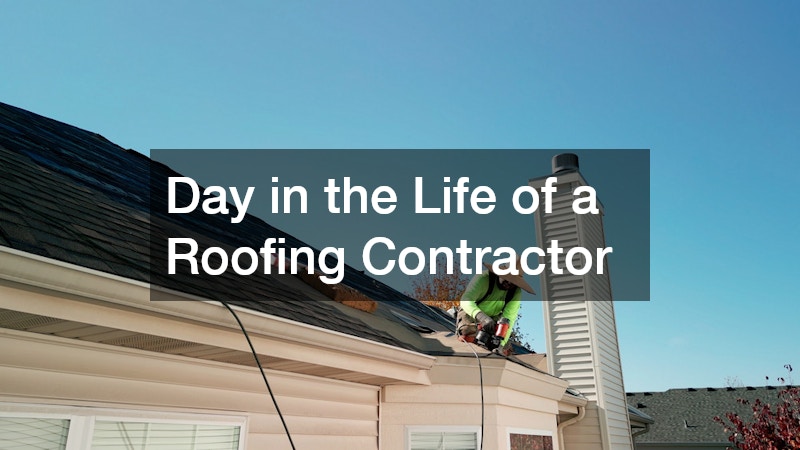
The world of roofing can seem daunting due to the specialized terminology used by professionals. Understanding these terms is crucial for effective communication and informed decision-making. This guide provides an overview of common roofing terms, helping homeowners navigate conversations with roofing contractors with confidence. By learning these terms, homeowners can engage more effectively with professionals and feel empowered during roofing projects.
Essential Roofing Terms Every Homeowner Should Know
Shingles and Underlayment
Shingles and underlayment are fundamental components of a roofing system. Shingles act as the primary protective layer, defending against rain, wind, and sunlight. They come in various materials, including asphalt, wood, and metal, offering different benefits and aesthetics. The underlayment is installed beneath the shingles, providing an extra layer of protection against water infiltration. Together, they ensure the durability and functionality of a roof.
Asphalt shingles are common due to affordability, ease of installation, and style options. For greater longevity, metal or architectural shingles may be preferred. Underlayment, typically made from felt or synthetic materials, protects the roofing deck from moisture while allowing the roof to breathe. Terms like “shingle overlap” or “underlayment seams” describe proper installation techniques that prevent leaks and optimize protection, especially in areas with severe weather.
Flashing and Ventilation
Flashing refers to thin impervious materials installed around chimneys, vents, and valleys to prevent water penetration. Metals such as aluminum or galvanized steel are common. Improper or deteriorated flashing can lead to leaks, emphasizing its importance in roofing projects.
Ventilation impacts a roof’s lifespan and energy efficiency. Proper ventilation allows hot air and moisture to escape the attic, preventing condensation that can damage materials and structure. Systems may include ridge, soffit, or gable vents to promote airflow. Homeowners should discuss ventilation options with roofing contractors to ensure optimal roof performance and energy efficiency.
Pitch and Eaves
Roof pitch refers to steepness, affecting water and snow runoff. Steeper pitches are common in regions with heavy precipitation, while flatter roofs suit drier climates. Pitch also influences accessibility, aesthetics, and material choices.
Eaves are the lower edges of the roof that extend beyond walls, redirecting water away from the foundation. They enhance both protection and curb appeal, sometimes incorporating decorative features or auxiliary roofs. Discussing pitch and eaves with roofing contractors helps homeowners make informed design and drainage decisions.
Key Parts of the Roof
Ridge and Hip
The ridge is the horizontal line where two roof slopes meet, often covered with ridge caps. Ridgeline ventilation allows hot attic air to escape. A hip is the external angle formed by intersecting slopes, providing stability against wind forces. Understanding these terms helps homeowners appreciate structural dynamics and water runoff patterns, leading to better-informed discussions with contractors.
Valleys and Drip Edge
Valleys are V-shaped channels where slopes meet, directing water off the roof. Proper flashing ensures water-tightness. Drip edges are metal components along roof edges that direct water away from fascia and prevent wind-driven rain infiltration. Both are critical for effective water management, prolonging roof life, and protecting structural elements.
Soffit and Fascia
The soffit is the horizontal underside of eaves, often vented to enhance attic airflow and reduce moisture buildup. The fascia, located at the roof’s lower edge, supports tiles and acts as a barrier against the elements. Together, they balance architectural appeal and functionality. Well-maintained soffits and fascia extend roof life and prevent issues like rodent entry or water damage.
Importance of Understanding Roofing Terminology
Communicating with Roofing Contractors
Familiarity with roofing terms allows homeowners to express needs clearly and establish trust. Discussing specifics such as “flashing” or “ridge vent” ensures expectations align and prevent misunderstandings. This knowledge also facilitates informed comparisons when evaluating proposals or selecting contractors.
Evaluating Proposals and Quotes
Knowledge of roofing terminology enables homeowners to assess proposals accurately. Recognizing terms like “drip edge” or “fascia” ensures materials and methods meet expectations and budget. Understanding line items for labor and materials reduces surprises and allows for confident negotiation with roofing contractors.
Making Informed Decisions
Understanding roof-related concepts helps homeowners select appropriate materials and contractors. Choices regarding shingles, underlayment, pitch, or eaves affect durability, energy efficiency, and aesthetics. Informed homeowners can evaluate contractor expertise, compare offers, and verify that services meet both quality and performance standards. This leads to a more satisfying, long-term roofing investment.
Familiarity with these roofing terms empowers homeowners to communicate effectively, make informed choices, and protect their investment. Understanding terminology ensures durability, functionality, and aesthetics are considered in every project. Knowledgeable homeowners can engage confidently with roofing contractors, leading to successful projects and a safer, more efficient home.